
Highlights
- The Academy’s Best Picture reminder list for the 98th Oscars features four Indian titles
- The films span folklore, animation, intimate drama and migration-led storytelling
- Inclusion marks eligibility, with nominations to be announced later this month
The Academy of Motion Picture Arts and Sciences has released its Best Picture reminder list for the 98th Academy Awards, and four Indian films have found a place on it. The titles, Kantara: A Legend – Chapter 1, Mahavatar Narsimha, Tanvi the Great and Tourist Family, are eligible for consideration in the Best Picture category this year.
The reminder list signals eligibility rather than nominations. Voting for nominations runs from 12 to 16 January 2026, with the nominees to be unveiled on 22 January. The Oscars ceremony is scheduled for 15 March 2026.
What stands out is not just the number of Indian films on the list, but the range of stories they represent.
Kantara: A Legend – Chapter 1 returns to folklore and origins
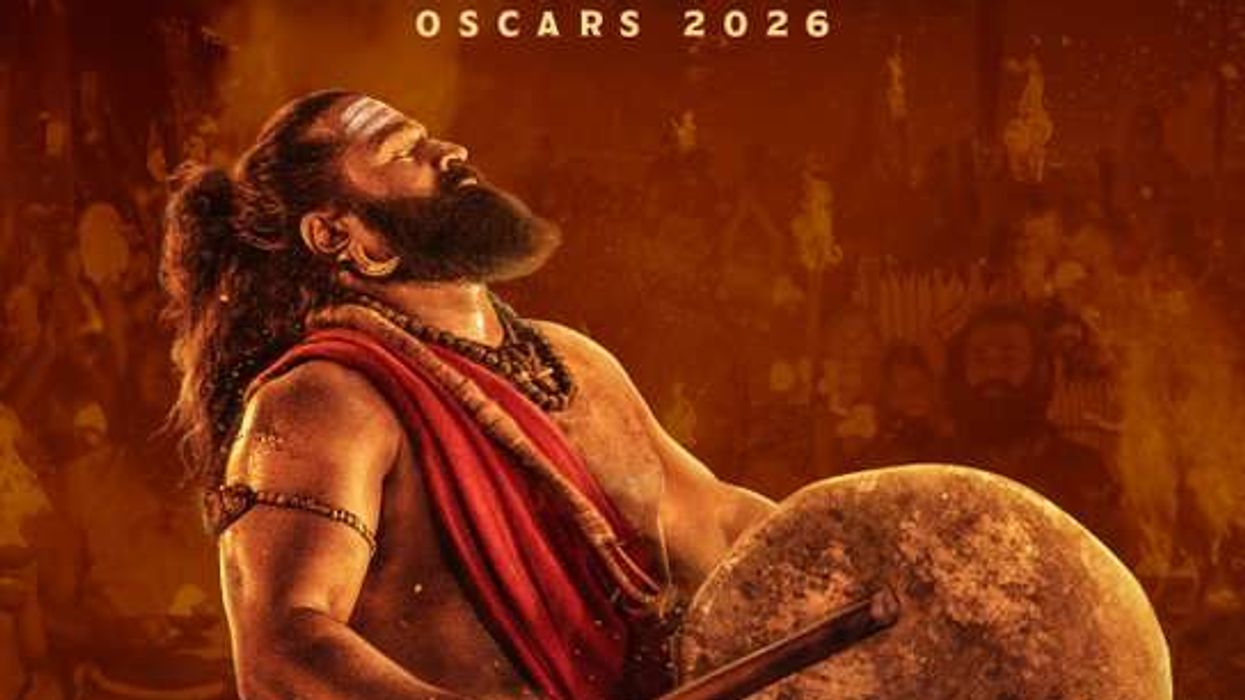
Directed by Rishab Shetty, Kantara: A Legend – Chapter 1 revisits the world first introduced in Kantara (2022), this time as a prequel. Set in coastal Karnataka, the film delves into origin stories, long-simmering conflicts and the traditions that shape its characters.
The landscape and folklore are central to the storytelling, carrying the weight of inherited memory, loyalty and belief. While Indian audiences may recognise the cultural textures instantly, the film also offers international viewers an entry point into a world where place and identity are inseparable.
Mahavatar Narsimha pushes Indian animation into epic territory
Indian animation has often struggled for mainstream visibility, but Mahavatar Narsimha approaches the form with scale and ambition. Directed by Ashwin Kumar, the film premiered at the International Film Festival of India in November 2024 before its theatrical release on 25 July 2025.
Drawing from well-known mythological narratives, the film centres on the avatars Varaha and Narasimha. These stories, familiar to many through childhood retellings, comics and television, are reimagined through large-scale animation designed for the cinema screen. The film points to the growing possibilities for Indian animation to combine rooted storytelling with global cinematic appeal.
Tanvi the Great focuses on resilience and perspective
Directed by Anupam Kher, Tanvi the Great takes a quieter route. Released in theatres on 18 July 2025, the film follows Tanvi, a young woman on the autism spectrum, as she works towards fulfilling a goal connected to her late father’s dream related to Siachen.
The narrative stays closely aligned with Tanvi’s point of view, asking viewers to engage with patience and attention. Rather than leaning on speeches, the film highlights how determination and self-belief can challenge the limits imposed by society. For many families, the story offers recognition; for others, it encourages a more considered understanding of disability.
Tourist Family finds meaning in everyday belonging
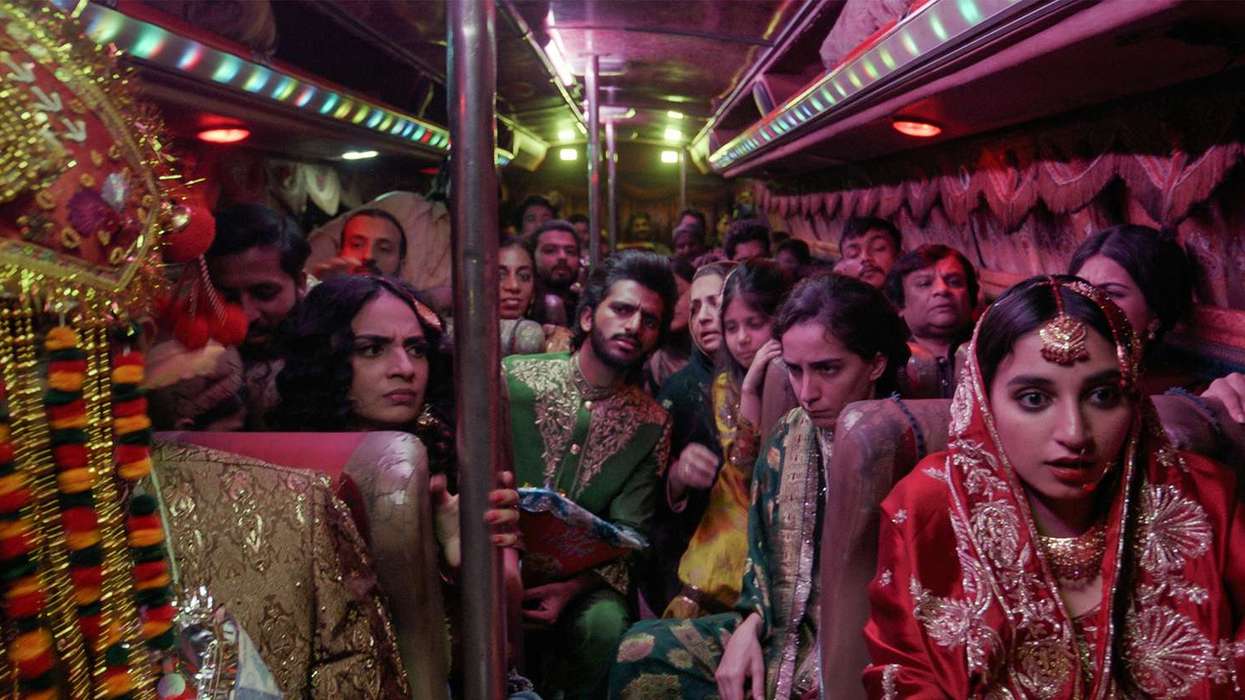
Tourist Family is a Tamil-language comedy drama written and directed by Abishan Jeevinth, released on 1 May 2025. The film follows a Sri Lankan Tamil family that moves to India in the aftermath of Sri Lanka’s economic crisis.
Instead of framing migration solely through hardship or heroism, the film focuses on small, human moments — neighbours warming up, shared meals and tentative connections within a new community. Its humour and warmth underline how belonging is often built quietly, through everyday acts rather than grand gestures.
Why the reminder list matters
The presence of these four films on the Best Picture reminder list highlights the breadth of Indian cinema currently reaching global platforms. Folklore-driven spectacle, mythological animation, intimate personal drama and community-focused storytelling all sit side by side.
Even before nominations are announced, the list serves as a marker of the conversations Indian films are entering internationally — and the many ways they are choosing to tell their stories.