

A DEFENCE barrister told a judge that a woman was too unattractive for her abuser husband to want to rape her. The judge found it funny and laughed. This incident isn’t a made-up story or embellished; it happened to someone I know.
This wasn’t even the most shocking incident in her hearing. The aftermath of the impact it had on her was devastating. Are you shocked by this incident? Of course, you are. Any decent person would be. What is more shocking is that this is one of many stories of what victim-survivors of domestic abuse suffer at the hands of our out-of-touch family courts.
You may ask, ‘why don’t we know what happens in the family court?’ Well, November is Family Court Awareness Month, and it follows Domestic Violence Awareness Month in October.
Both seem to have gone unnoticed and unacknowledged by the media and people in general.
This is not due to a lack of campaigning by advocates and domestic abuse-focused organisations. Yet, the average person knows about months like Veganuary, Dry January, and Movember, but not November being Family Court Awareness Month. That is how under the radar everyday domestic abuse and conducts of the family court are. I was also unaware until I became involved with helping people in the family court and had my eyes opened.
I’ve seen judges and magistrates not applying the law correctly, routinely ignoring evidence and belittling victim-survivors asking for help. They also laughed and shouted at them. The most brutal treatment seemed to be directed at those who could not afford legal help and represented themselves as litigants in person. And according to the systems at play, this behaviour was perfectly acceptable within the judiciary.
The widespread problem, and many stories I encountered, including what had happened to the lady, who was humiliated in court, prompted me to do something.
That’s when I created the podcast series, Memoirs Of A McKenzie Friend – Blowing The Lid Off The Family Court, to expose the realities of this corrupt institution. But those podcasts didn’t feel like enough. It didn’t take away the feeling of helplessness. I knew I had to do more than be a voice. Yes, the podcasts are explosive, but people are still experiencing the family courts. It wasn’t just about highlighting their plight – it was about victim-survivors not feeling alone.
When it was hard to find the real practical help for those who needed it, 'a comprehensive website, www.iamlip.com, was created, as a free online guide for those who find themselves having to navigate the family court independently, that was easy access and was neurodiverse friendly. It’s proved to be a well-needed resource.
Once November is over and it is no longer Family Court Awareness Month, I don’t know what will happen next. Most likely, it will be business as usual. But I won’t stop doing my bit to help those suffering at the hands of the family court. If you or someone you know needs help, a comprehensive guide is available on www.iamlip.com.
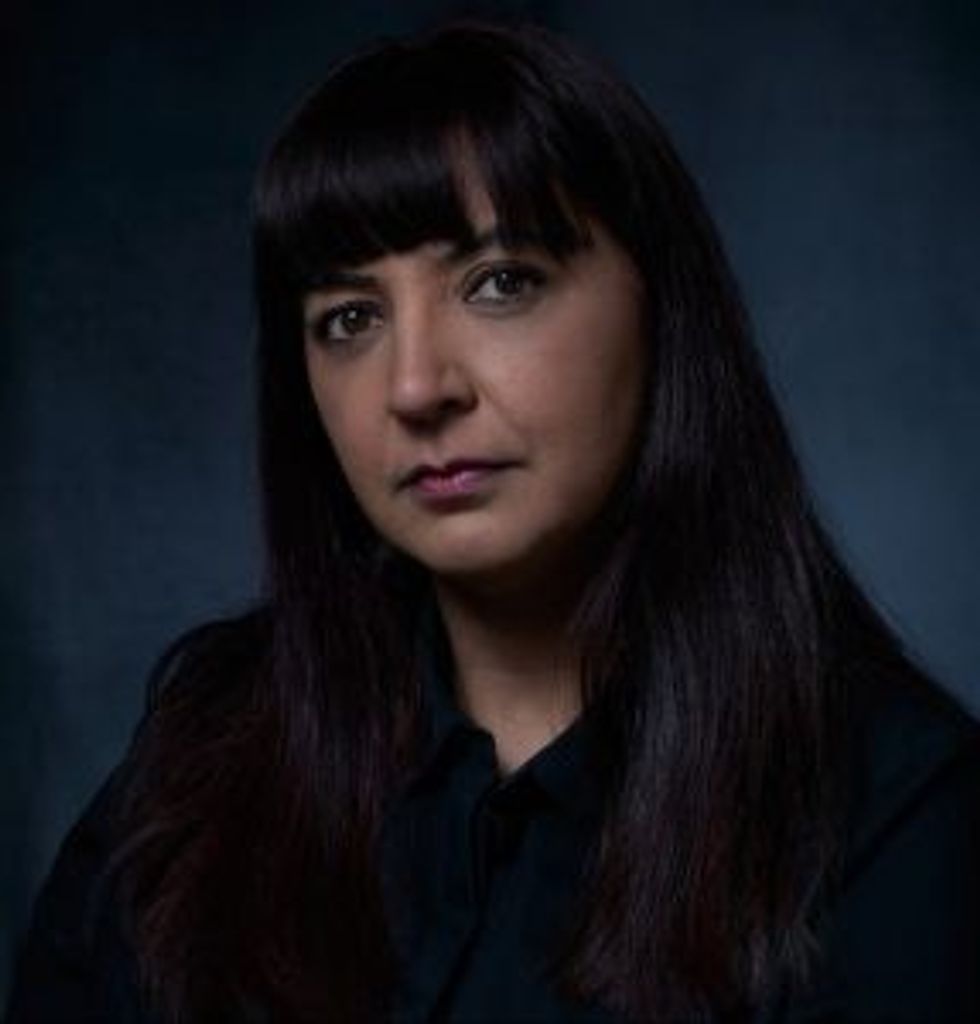
Anjali Mya Chadha is an actor, writer, and family court advocate. Her podcast Memoirs Of A McKenzie Friend - Blowing The Lid Off The Family Court is available on all podcasting platforms.
www.anchor.fm/mckenziefriend




 Volodymyr ZelenskyAgencies
