
- Virgin Trains has secured regulatory approval for up to 20 daily return services through the Channel Tunnel.
- The proposed routes would connect London with Paris, Brussels and Amsterdam from October 2030.
- The company plans to invest £700m and create about 400 UK jobs.
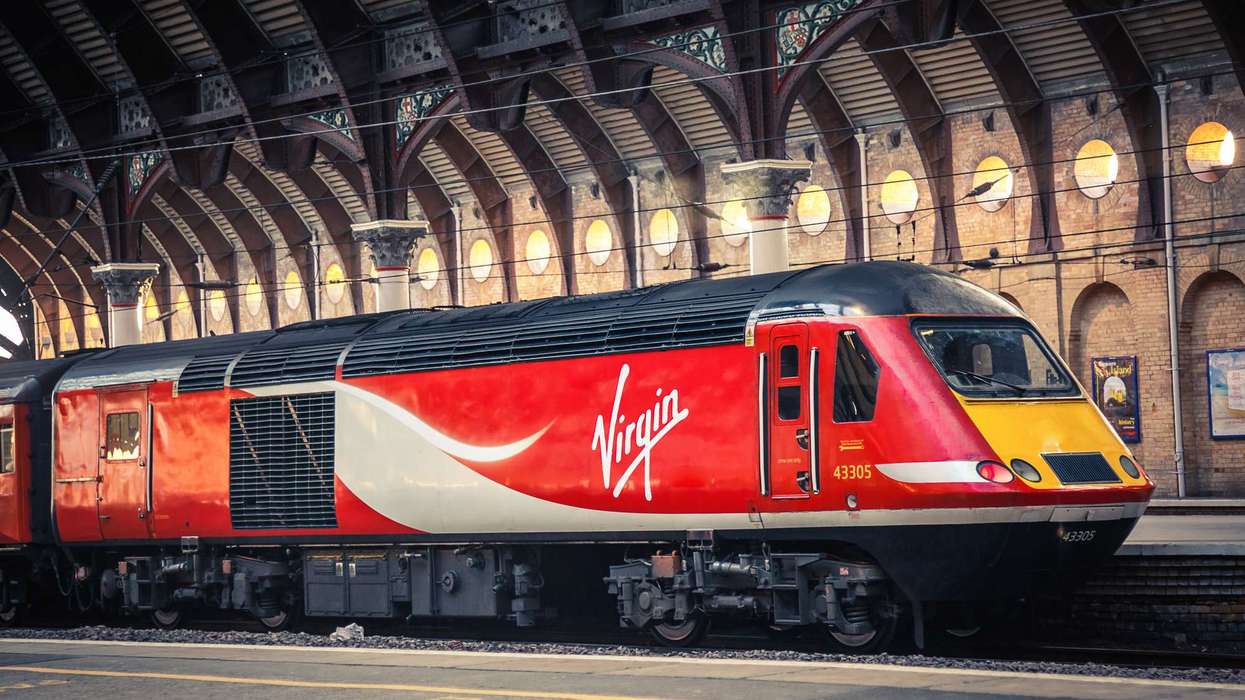
Virgin Trains has taken a significant step towards challenging Eurostar’s long-standing grip on cross-Channel passenger rail, securing track access approval for new services between London, Paris, Brussels and Amsterdam from 2030.
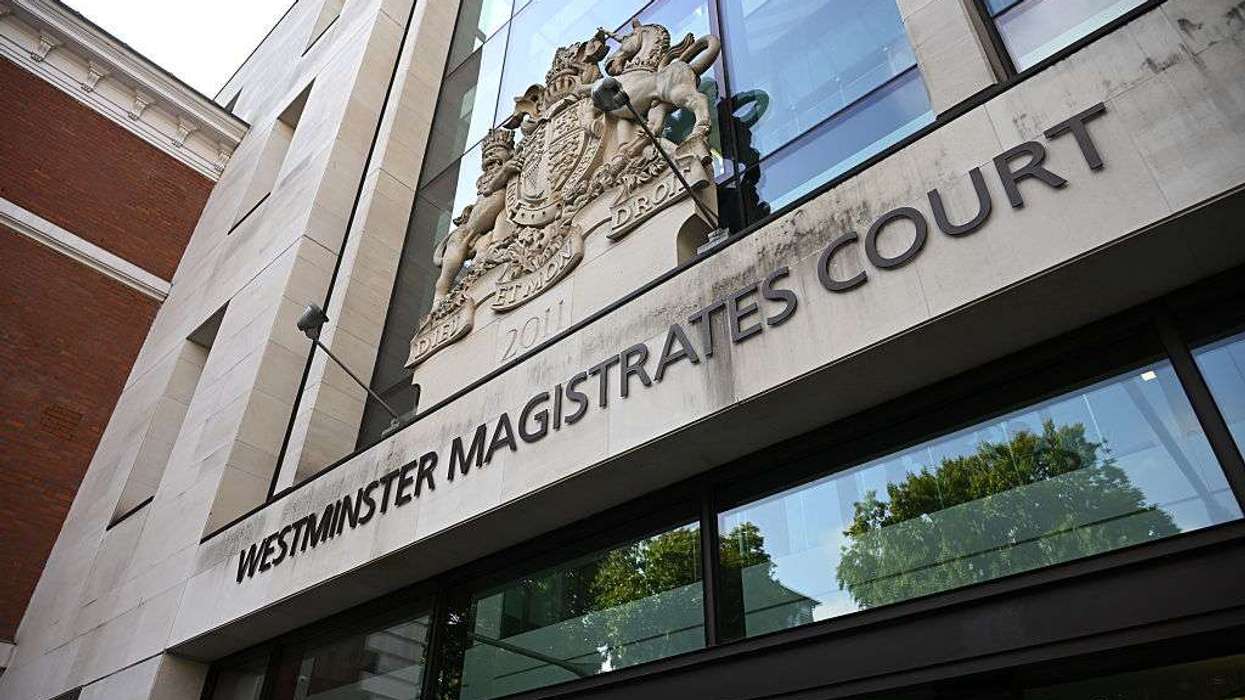
The Office of Rail and Road (ORR) has approved an agreement allowing Sir Richard Branson’s company to run up to 20 daily return services through the Channel Tunnel. The agreement covers the period from October 1, 2030 to December 31, 2040.
It does not mean passengers can book a Virgin train to Paris just yet. The company still needs access to other parts of the European rail network and must secure safety approvals from the ORR and the relevant EU regulators before services can begin.
Still, the decision removes one of the more important hurdles facing the project.
Eurostar has operated passenger services through the Channel Tunnel since it opened in 1994 and has effectively faced no direct competition on the routes. Virgin’s proposed services would run from London St Pancras to the same main stations currently served by Eurostar: Paris Gare du Nord, Brussels-Midi and Amsterdam Centraal.
A new fight for Channel Tunnel passengers
Virgin’s progress follows an earlier regulatory decision in October that allowed the company to share Eurostar’s Temple Mills depot in east London for train maintenance and storage.
That matters because Temple Mills is the only depot with direct access to High Speed 1, the railway connecting London with the Channel Tunnel.
The proposed challenge is also arriving as interest in international rail travel appears to be growing. Eurostar has announced plans to introduce double-decker trains through the tunnel from 2031, while a UK-German taskforce has been examining the possibility of direct London-Berlin services.
Another potential competitor is also preparing to enter the market. FS Italiane Group has ordered 19 high-speed trains for planned London-Paris services from 2029.
The Channel Tunnel itself is reported to have significant spare capacity, with estimates suggesting it is currently operating at around 50 per cent of its potential capacity. That leaves room for more operators, although actually filling that space with commercially viable passenger services will depend on infrastructure, safety approvals and demand.
Virgin has previously said it plans to invest £700m in its cross-Channel operation and create about 400 jobs in the UK.
The company has also been openly critical of Eurostar’s position. Sir Richard Branson has reportedly said it was “time to end this 30-year monopoly” and bring competition to the route.
The ORR has been more measured about what the latest decision means. Martin Jones, the regulator’s deputy director of access and international, reportedly said the approval was an “important next step” towards increasing competition and expanding international rail services, while stressing that more work remained before Virgin could begin operating.
For passengers, the prospect of another operator could eventually mean more choice on some of Europe's busiest rail links from London. But with more than four years still to go before Virgin’s proposed start date, the biggest question is whether the company can turn regulatory approval into trains actually running through the Channel Tunnel.
For now, Eurostar’s monopoly has not ended. But the route to a rival is becoming considerably clearer.