by LAUREN CODLING
ETHNIC minorities are more likely to experience feelings of loneliness, new research revealed today (20).
Those from a BAME background face an array of challenges which could mean they are more vulnerable to experience feelings of not belonging and isolation, according to the Barriers to Belonging report. It added that there was reluctance to ask for help due to stigma in certain cultures, meaning BAME members encountered greater barriers in accessing support.
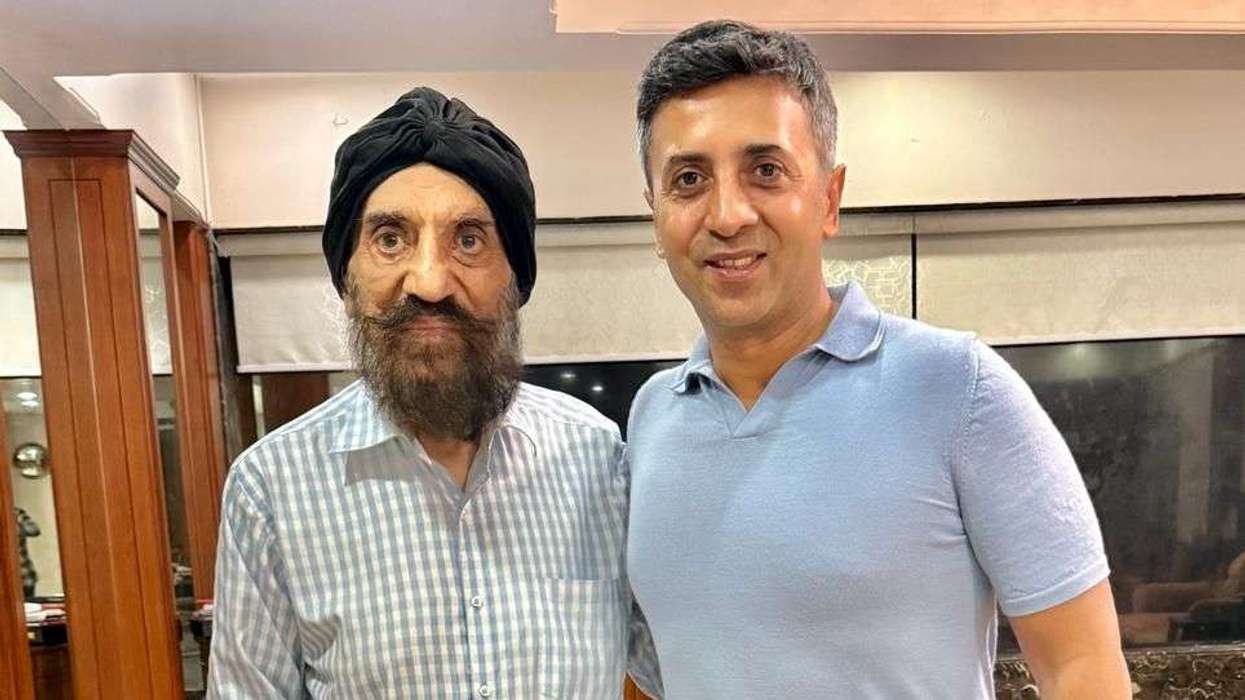
Shuchi Sharma Bhatnagar came to the UK from India with her husband in April 2018. Admitting she experienced loneliness after moving to London, she revealed her initial struggles when she first arrived.
“Once all the initial rush had died down (of moving) and everything was settled, I started feeling like I had nowhere to go or anyone to talk to,” she told Eastern Eye. “It dawned on me that I wasn’t feeling great and I felt it was due to the lack of things to do and people to talk to.”
Although she began to participate in activities, such as salsa classes, Bhatnagar would still come home and feel exceptionally lonely.
Having come from Delhi, where she had a large support network, she missed the connection that she had had with friends and family.
“It wasn’t that I wasn’t interacting with people,” the 34-year-old recalled. “I just missed the connection with people that I had back home.”
She confided in her husband, but admitted she was reluctant to tell her family in India how she was feeling.
“I didn’t want to worry them,” she reasoned.
However, in October, Bhatnagar had an opportunity to join the British Red Cross (BRC) as a Connecting Communities volunteer. The role saw her interact with people who had similar feelings of loneliness.
She attributes the volunteering role as having a positive impact on her life and reducing her feelings of isolation.
“Within the first week, I saw a difference in myself,” she enthused. “When I started doing it, I saw it as something positive that I was putting back into the world.
“It was being involved with something and it was immediately uplifting for me - it is great to connect with people.”
Within the report, published by the BRC and Co-op, organisers are calling on the government to fully address and challenge the issue.
Paul Amadi, the BRC chief supporter officer and executive sponsor of the BRCs’ Inclusion and Diversity Steering Group, spoke to Eastern Eye about the report’s key findings.
On why loneliness appeared to affect the ethnic community at a larger level, Amadi cited the research which suggested that members of the BAME community were more likely to encounter discrimination.
“If you’ve experienced discrimination in the workplace or within your local community, then you’re more likely to feel alone,” he said. “One of the things that creates the sense of loneliness is not feeling part of a community.”
The stigma which can occur within the BAME community, Amani said, may be down to the idea that there is a greater emphasis on self-reliance and managing yourself if you are from a certain cultural background.
According to the findings, 76 per cent of the ‘other BAME’ group and 70 per cent of British-Pakistani groups said they would worry what others thought about their feelings of loneliness.
He also emphasised the need for access to community services.
“We know that some people in the BME community are unable to afford access to some of the services that enable them to feel a sense of belonging,” he stated.
Looking to the future, Amani is hopeful that the new report will enable the conversation to continue.
“One of things (BRC) do is shine a spotlight on the issue and present a clear way forward,” he explained. “What we are calling for is a greater commitment from government to tackle loneliness and we are trying to ensure more research is undertaken in this area so we can further the evidence and the barriers that people from BAME backgrounds face.”