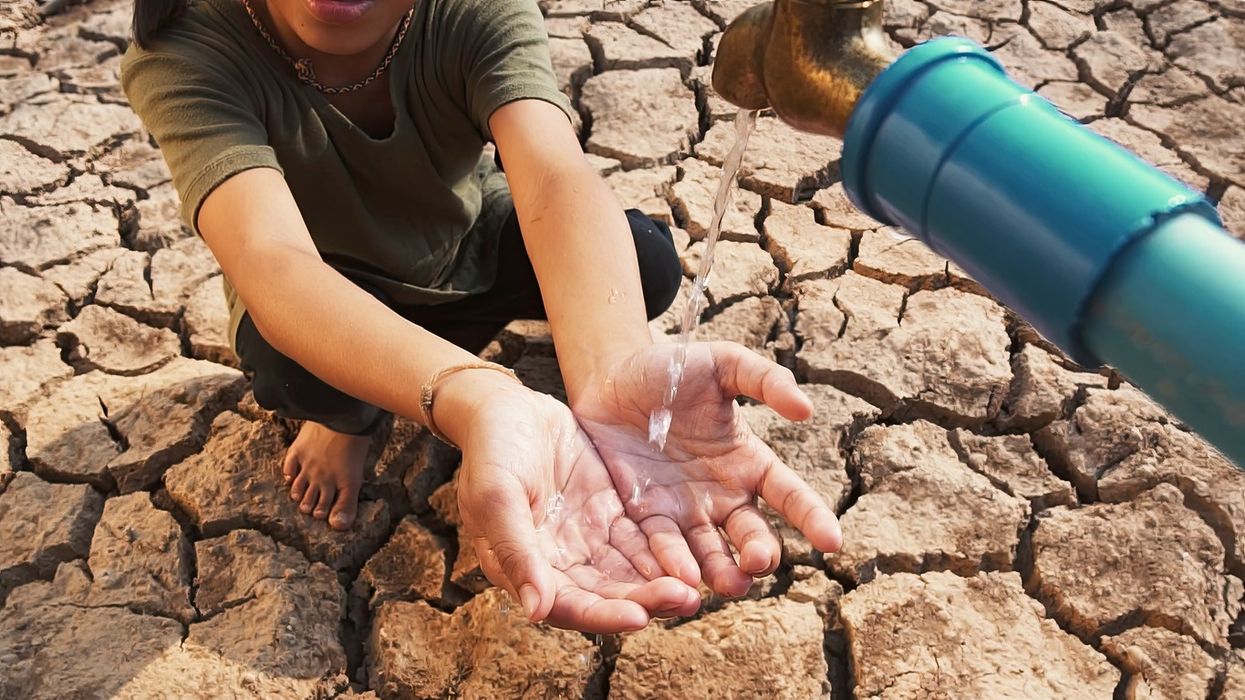
IN LATE October, world leaders will come together for the 26th UN Climate Change Conference of the Parties (COP26), an event many believe to be the world’s best last chance to get climate change under control.
It will be the first COP to take place after the landmark Paris Agreement’s measures take effect and a chance for nations to review their commitments and voice future pledges.
In this week’s Eastern Eye, six-year-old Aleesha Gadhia described how she urged leaders to unite in fighting global warming, pollution, and deforestation. Similar to many other children, she has serious concerns for her future and hopes they will be taken seriously.
In recent years, young activists such as Greta Thunberg and Licypriya Kangujam have drawn the attention of climate change to the world.
Progress has been made – such as the signing of the Paris Agreement but that is nowhere near enough.
Scientists have warned the UK is already undergoing disruptive climate change with evidence of increased rainfall and high temperatures.
Some may believe the effects of global warming will occur in the future, but the climate is already changing drastically in the UK and across the world. It is the younger generation who will ultimately be facing the worst effects.
We must work together now to make a change – before it is too late.


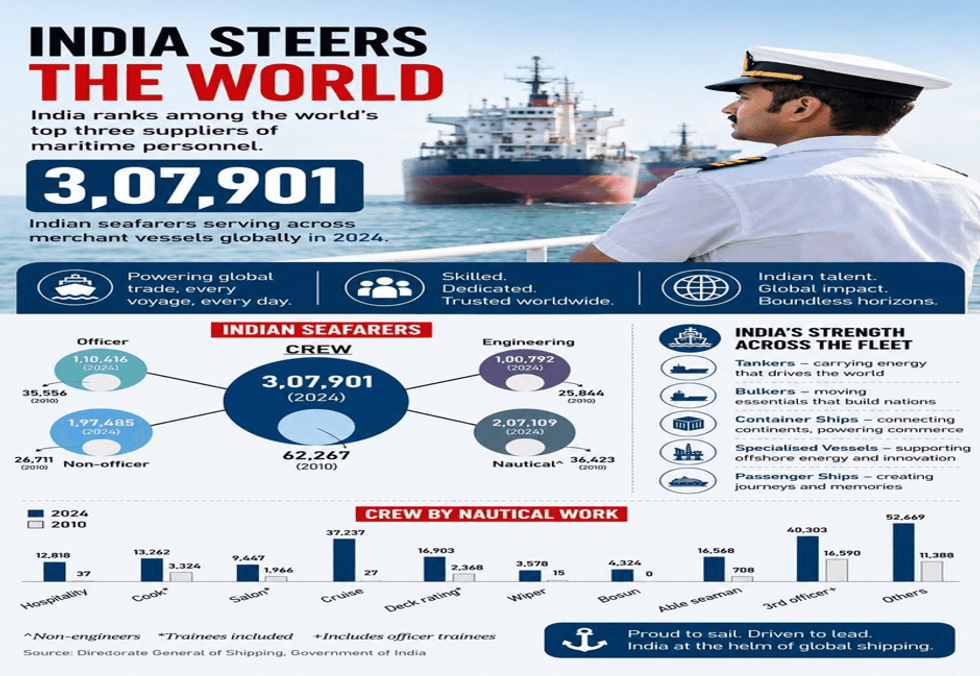 Government of India
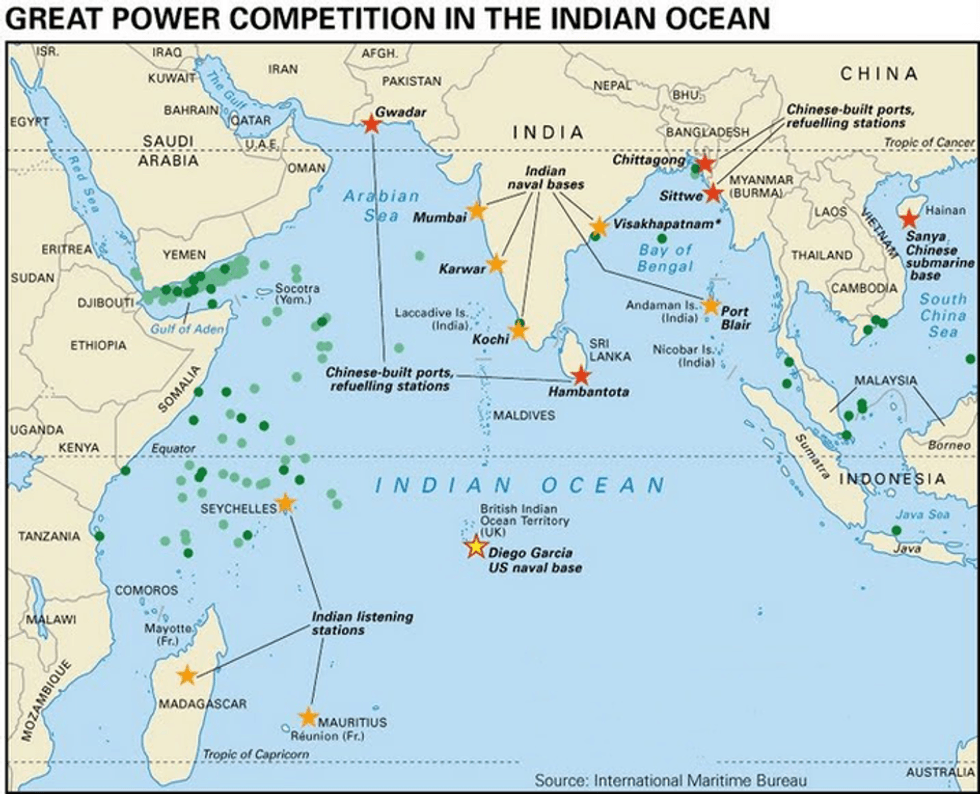 International Maritime Bureau
 Amb Pinak Ranjan ChakravartyEastern Eye
Editor's comment: Making a change
Pramod Thomas is an assistant editor at Eastern Eye, where he covers British Asian affairs and key developments in UK politics and business. With two decades of journalism experience, his areas of interest include business, international affairs, current events, arts and culture.