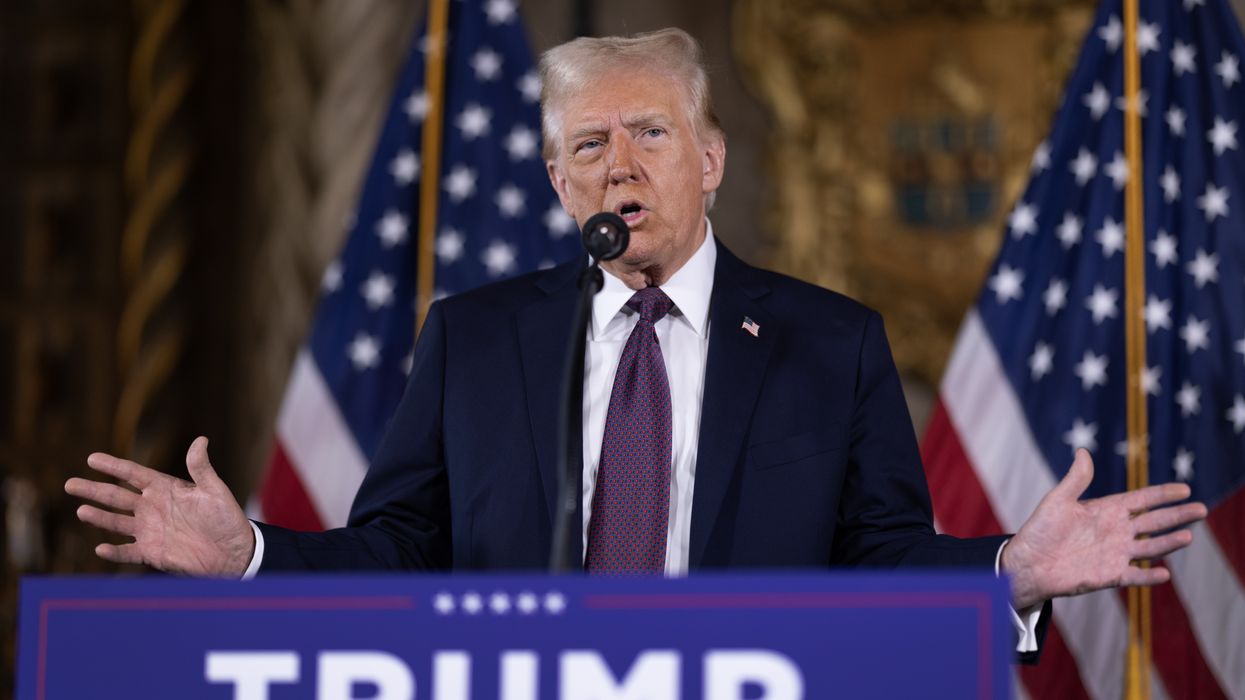

DONALD TRUMP has outlined plans for sweeping changes as he prepares to return to the White House on Monday, vowing to act quickly on issues including immigration, trade, and foreign policy.
Trump’s proposals for a second term include a major deportation programme, renewed efforts to expand oil and gas drilling, and promises of peace in Ukraine.
Many of these moves are expected to be enacted through executive orders.
Immigration
Trump has pledged a strict approach to undocumented migrants, targeting an estimated 11 million individuals.
The Wall Street Journal reported that he plans to declare a state of emergency at the Mexico border, unlocking Department of Defense resources.
He also intends to end birthright citizenship, describing it as “ridiculous” during his campaign.
However, birthright citizenship is protected by the US Constitution, and legal challenges are expected for any large-scale deportation plans.
Analysts anticipate additional executive orders on immigration, potentially including the termination of an app used by migrants to seek asylum.
Tariffs
Trump has proposed a 25 per cent tariff on imports from Mexico and Canada, citing their alleged failure to curb drug trafficking and undocumented migration.
He has also hinted at a tariff on Chinese products, adding to existing duties from his first term. Trump accuses China of allowing the production of fentanyl-related chemicals.
January 6 pardons
Trump has suggested he may pardon those convicted for the January 6 Capitol riot. Calling them “hostages” and “political prisoners,” he told supporters they would be “very happy” with his decision, expected on his first day in office.
Wars and diplomacy
Trump warned of severe consequences in the Middle East if Hamas does not release Israeli hostages.
He has also claimed he can end the Russia-Ukraine conflict swiftly, with previous timelines ranging from 24 hours to several months.
Climate
Trump has vowed to repeal Biden’s green policies, including tax credits for electric vehicles, and plans to increase offshore oil and gas drilling.
Other policies
Trump plans to halt funding for schools teaching critical race theory and intends to issue an executive order addressing transgender rights, including military restrictions and school policies.
TikTok
Trump has promised to prevent a ban on TikTok, citing its role in connecting him to younger voters. He has proposed the US take a 50 per cent stake in a joint venture with the app’s Chinese owners.
(With inputs from AFP)