
How noticing the changes in my father taught me the importance of early action, patience, and love
I don’t understand people who don’t talk or see their parents often. Unless they have done something to ruin your lives or you had a traumatic childhood, there is no reason you shouldn’t be checking in with them at least every few days if you don’t live with them.
Earlier this year, I had the privilege of looking after my parents – they lived with me while their old house was being sold, and their new house was being renovated.
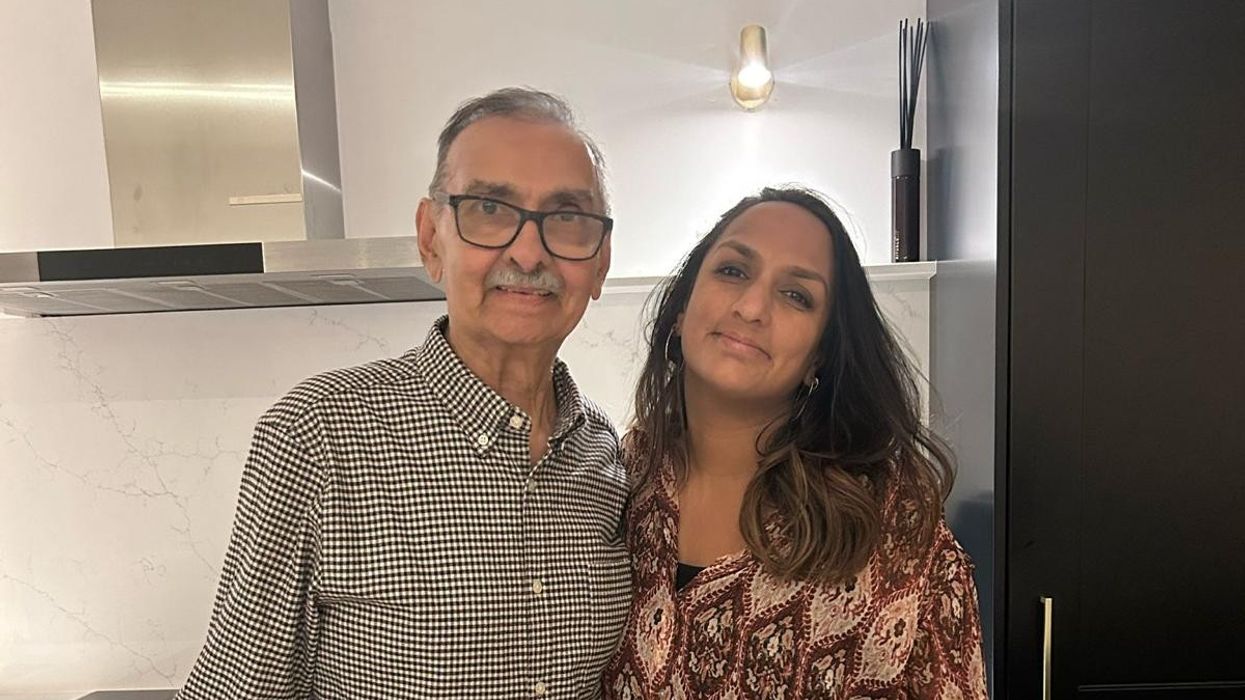
Within this time, I noticed things happening to my dad (Chamanlal Mulji), an 81-year-old retired joiner. Dad was known as Simba when he lived in Zanzibar, East Africa because he was like a lion. A man in fairly good health, despite being an ex-smoker, he’d only had heart surgery back in 2017. In the last few years, he was having some health issues, but certain things, like his walking and driving becoming slow, and his memory failing, we just put down to old age. Now, my dad was older than my friend’s dad. Many of whom in their 70’s, dad, at 81 was an older dad, not common back in the seventies when he married my mum.
It was only when I spent extended time around my parents that I started noticing that certain things weren’t just due to old age. Some physical symptoms were more serious, but certain things like forgetting that the front door wasn’t the bathroom door, and talking about old memories thinking that they had recently happened rang alarm bells for me and I suspected that he might have dementia.
Dementia generally happens in old age when the brain starts to shrink. Someone described it to me as a person’s brain being like a bookshelf. The books at the top of the shelf are the new memories and the books at the bottom are the new memories. The books at the top have fallen off, leaving only the old memories being remembered. People with dementia are also highly likely to suffer from strokes.
Sadly, my dad was one of the few that suffered a stroke and passed away on 28th June 2025. If you have a parent, family member or anyone you know and you suspect that they might have dementia, please talk to your GP straight away. Waiting lists within the NHS are extremely LONG so the quicker people with dementia are treated, the better. Sadly, the illness cannot be reversed but medication can help it from getting worse.
One thing I would also advise is to have patience. Those suffering with dementia can be agitated and often become aggressive, but that’s only because they’re frustrated that they cannot do things the way they used to.
The disease might hide the person underneath, but there’s still a person in there who needs your love and attention.” - Jamie Calandriello
This one is for you, dad x