
Highlights
- Long-time collaborators say David Attenborough’s curiosity and humility remain unchanged at 100
- Producers describe his energy and hands-on approach as central to decades of landmark wildlife television
- His environmental warnings helped push issues such as plastic pollution into global debate
The voice that made nature feel personal
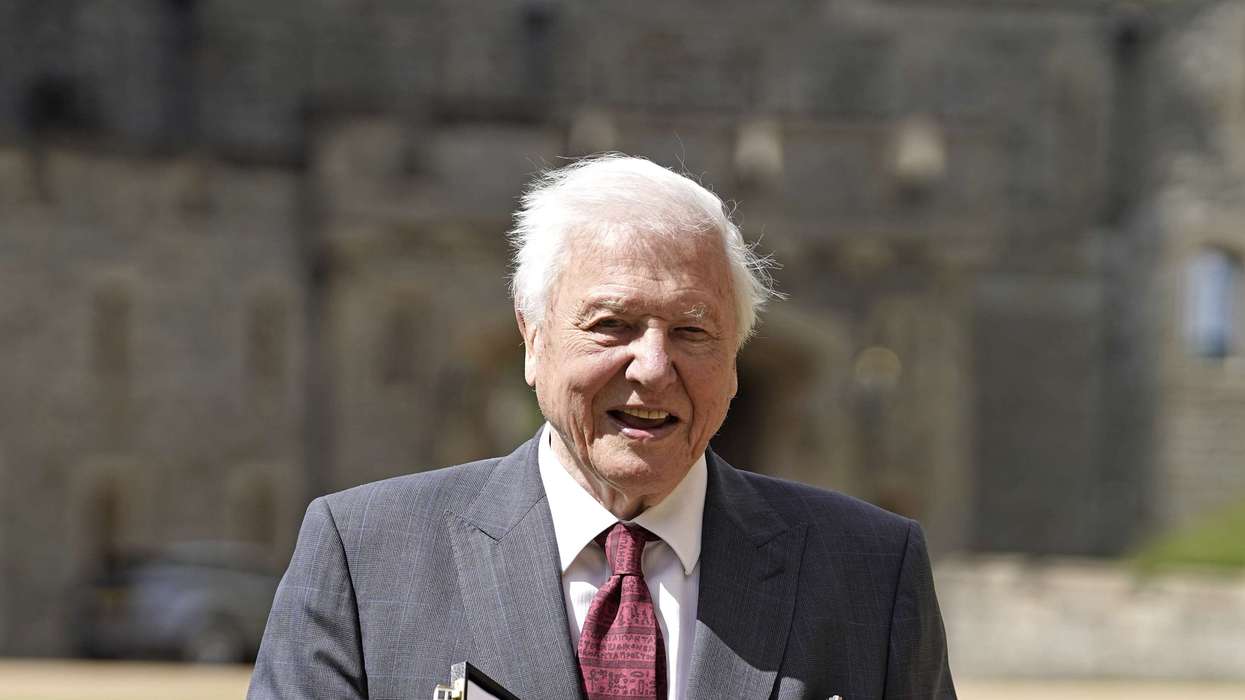
As David Attenborough celebrates his 100th birthday, colleagues say the broadcaster’s greatest strength has never been celebrity, but the calm authority that persuaded audiences to care about the natural world.
For more than seven decades, Attenborough has shaped wildlife storytelling through landmark BBC series including Blue Planet, Blue Planet II and Life on Earth. Producers say his involvement extends far beyond narration, with projects often taking years to complete and Attenborough remaining closely involved throughout the process.
Mike Gunton, executive producer at the BBC Natural History Unit in Bristol, said Attenborough’s energy and curiosity have barely changed over the decades.
Elizabeth White, who worked with him on Blue Planet II, described him as a gifted writer and narrator whose scripts gain a distinctive emotional depth once he records them. She said his delivery helped create what many call the “Attenborough effect” — the ability to make vast environmental stories feel immediate and deeply human.
The environmental voice audiences trusted
Attenborough’s influence has also stretched beyond television. His warnings about plastic pollution in the oceans sparked widespread public discussion and fuelled the viral “Do It for David” campaign online.
Despite his global reputation, colleagues say he consistently avoids taking personal credit and instead highlights the work of the wider production teams around him.
White recalled first meeting Attenborough while she was a PhD student on work experience during the making of the original Blue Planet. Although she considered herself the least important person in the room, Attenborough took time to ask about her research, a gesture she said stayed with her for years.
For many colleagues, that quiet attentiveness explains why audiences continue to trust him.
Still part of the crew at 100
Gunton, who first worked with Attenborough during The Trials of Life in the late 1980s, said the broadcaster has always insisted on being actively involved during filming trips, regardless of the conditions.
During a shoot in Finland when Attenborough was 96, Gunton recalled the presenter continuing to help crew members carry equipment despite freezing temperatures.
Those who have worked alongside him say the broadcaster remains funny, kind and deeply engaged with the people around him.
As Attenborough turns 100, colleagues believe his lasting legacy is not only the programmes he created, but the way he encouraged generations of viewers to pay closer attention to the planet and the fragile world beyond their screens.