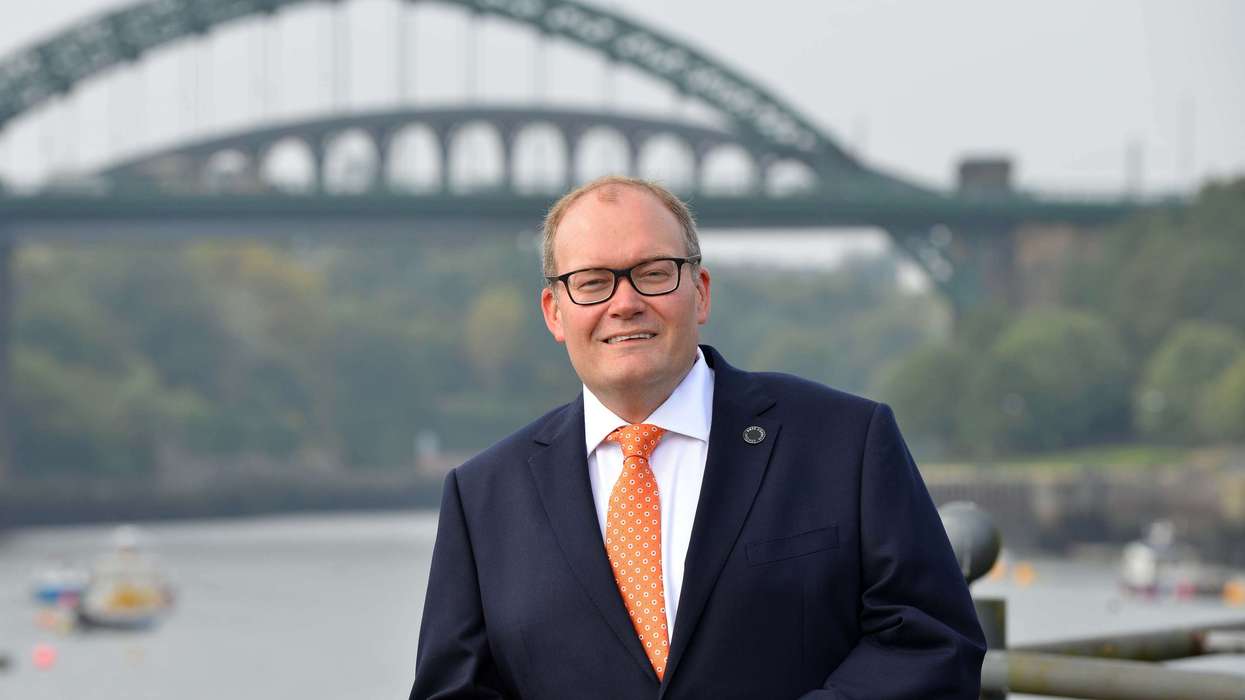

DARREN HENLEY is pretty knowledgeable about the British Asian arts scene. Ahead of Eastern Eye’s Arts, Culture & Theatre Awards (ACTA) on Friday (26), he talked about the Rifco Theatre Company’s pantomime cum Bollywood musical, Surinderella; Liverpool-based Milap’s treatment of Indian dance, music and culture; and how Bradford, with its large Asian population, was transformed when it was made the UK’s City of Culture in 2025.
ACTA began in 2016, which is roughly the time that Henley has been chief executive of Arts Council England. He was appointed to the post in 2015. In the past 11 years, he has criss-crossed England, invariably by train, and now knows the country probably better than anyone else.
Henley believes the arts are beneficial for mental health. He is also convinced that those who engage in the arts are happier people. This is not just theoretical stuff. He has worked to ensure the arts are not just for an elite, but for everyone.
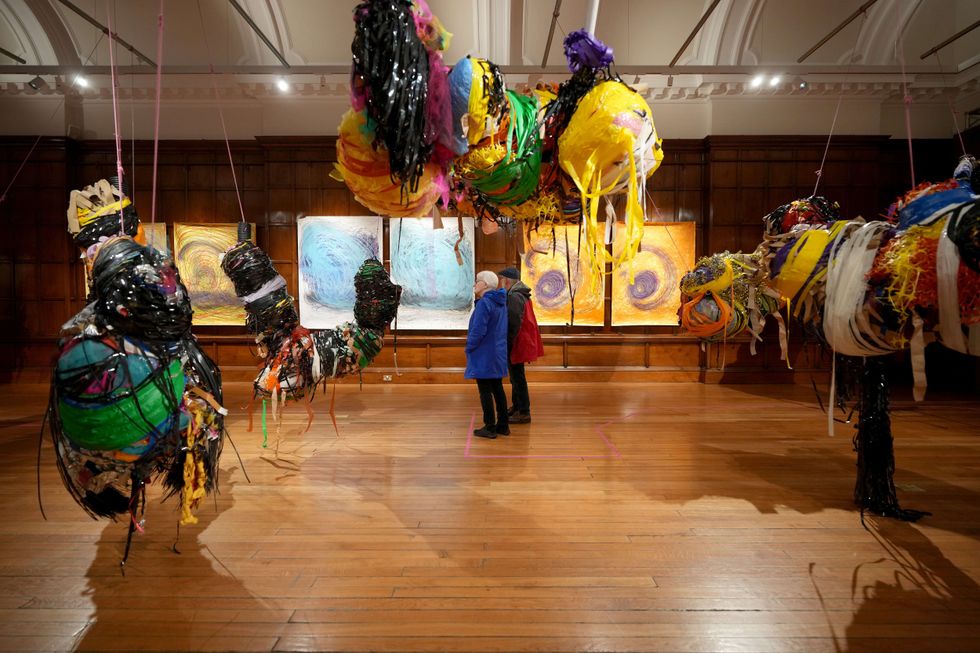 Nnena Kalu’s art installation at the Cartwright Hall Art Gallery in Bradford Christopher Furlong/Getty Images
His thinking is summed up in his book, The Arts Dividend: How Investment in Culture Creates Happier Lives. This was first written in 2016, and revised in 2020, just before the pandemic, and in 2025.
An erudite man, he once said: “Although I can’t claim to write with anything approaching his supreme elegance, style or enduring impact, I like to think that my book follows in the tradition of JB Priestley’s 1934 classic, English Journey.”
Speaking at the Arts Council headquarters in London just behind Oxford Street, he set out his core philosophy: “I believe very strongly that talent is everywhere in the country, but the opportunity for that talent to come to the fore is not always there. I said that in the very first speech I did at the Arts Council back in 2015, when I stood at the Ferens Art Gallery in Hull. There are amazing creative individuals and brilliant world class organisations in every community. Our job is to work as a development agency is to invest public money to nurture them.”
He has sought to do that with the British Asian arts community so that it grows and flourishes and becomes part of the mainstream. He is a strong advocate of introducing children to the arts from the time they can barely walk. The best thing parents can do is to read to their children.
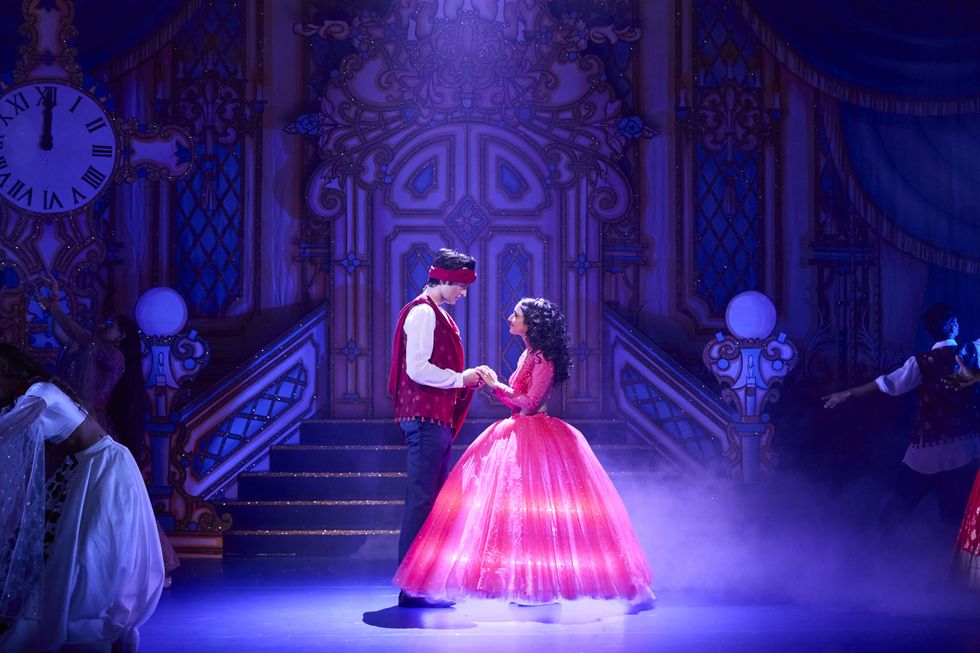 A scene from SurinderellaEastern Eye
Arts organisations in general and the Arts Council, in particular, said Henley, have a responsibility for nurturing children. Whether these organisations are museums, libraries, performing venues or galleries, they have a role in welcoming the next generation – from the smallest children right through to young adults possibly considering a career in the creative industries.
“Our museums, galleries, concert halls and libraries are owned by all of us, and they are shared spaces for everybody, and everybody should feel welcome in those spaces,” he emphasised.
Libraries were an important space where young people could come with their parents or grandparents or carers. “This is the national year of reading, and it’s just been confirmed by Barris Twycross, the libraries’ minister, that we will continue our role as a development agency for libraries. Some very good work is being done by the National Literacy Trust, whom we support.”
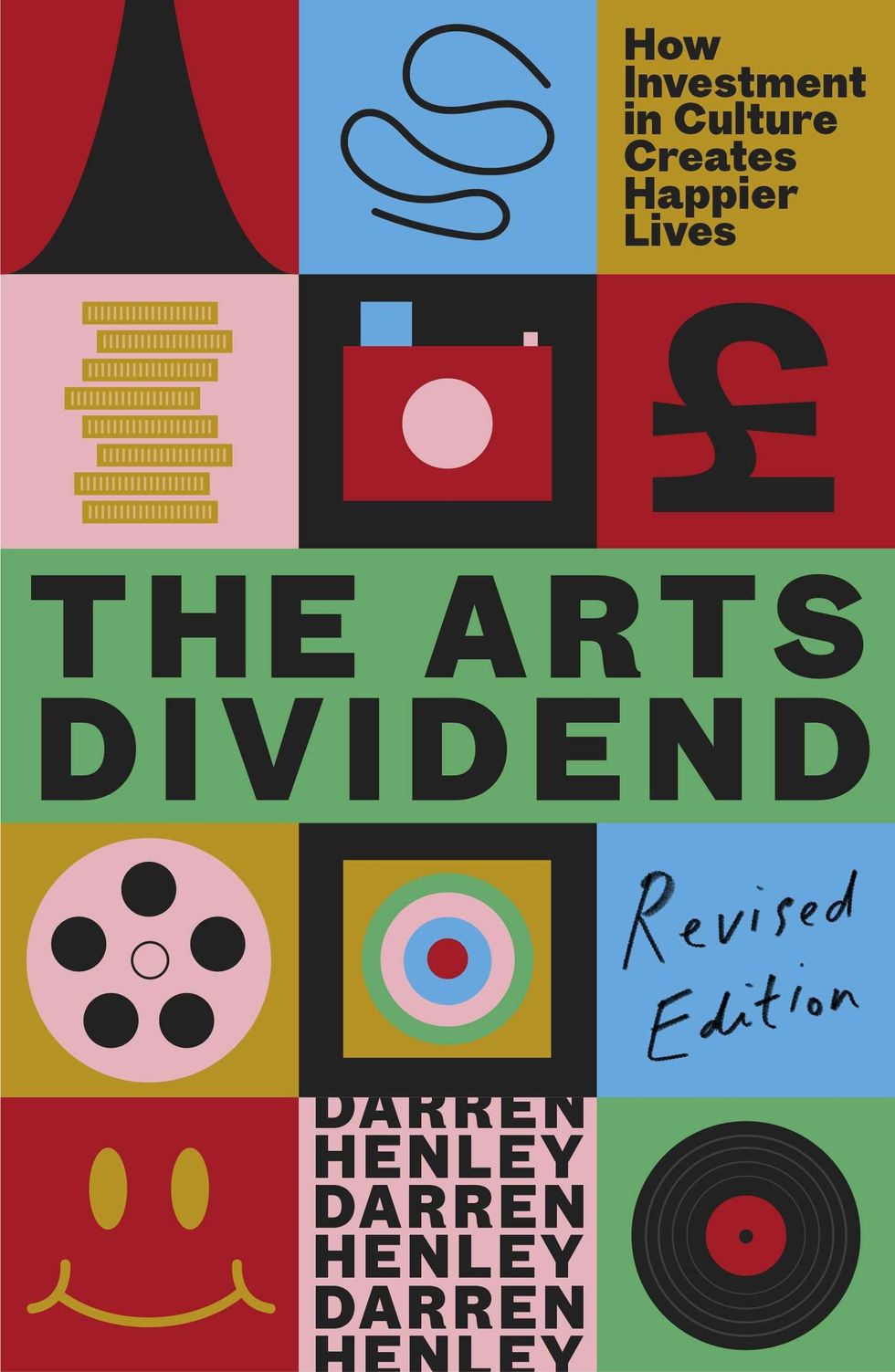 The covers of Henley’s books The Arts DividendEastern Eye
Henley highlighted a project in Leicester called “Talent 25”, which is now been going five years. Leicester is, of course, a city with a big Asian population, mostly of Gujarati origin. It is home to tens of thousands who came as refugees after being expelled from Uganda by Idi Amin.
“Those children are just starting school,” said Henley. “Talent 25 is an ambitious and unique 25-year longitudinal research programme. It aims to gain a better understanding of the impact that taking part in creative and cultural activities has on young people’s lives. This one-of-a-kind study is following the lives of babies from 400 families across Leicester, from birth to their 25th birthday. It reaches into communities traditionally under-served by cultural programming and aims to understand and dismantle barriers, helping us to ensure that every child has access to culture and can fulfil their creative skills and potential.”
He pointed out that today’s children will make up the artists and audiences of tomorrow. And Henley spoke highly of the Curve Theatre in Leicester for working with young people.
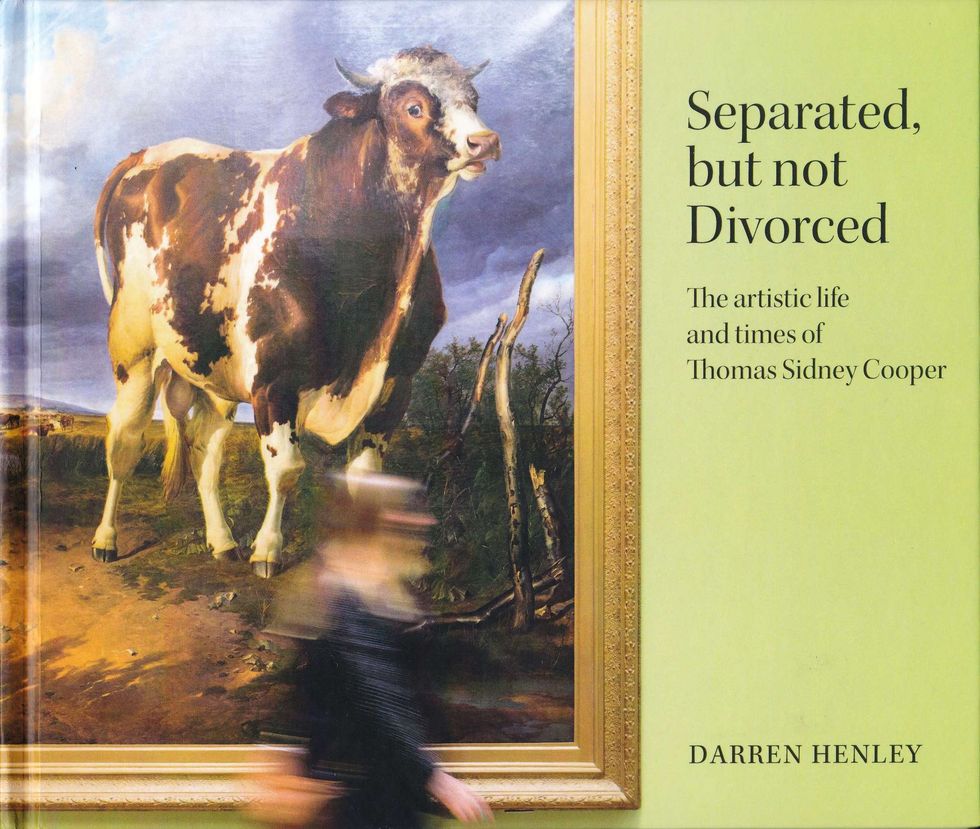 Separated, but not divorcedEastern Eye
He acknowledged that “not every parent has been lucky enough to have had cultural activities in their lives when they were growing up, through no fault of their own. Everyone agrees that investing taxpayers’ money in high-quality, excellent provision for children and young people is important. Everyone can see the benefit, even if they don’t have children or grandchildren of their own. There is unassailable data that shows a child who has those rich cultural experiences will lead a happier, better, more fulfilled life.”
Henley said: “I spend a lot of my time travelling around the country, and notice that independent schools advertise on train platforms. They don’t advertise a maths or a geography lesson, but sport, music, art, design and drama. Every child, whatever their background, should have that opportunity to enjoy a rich set of cultural experiences when they are growing up.”
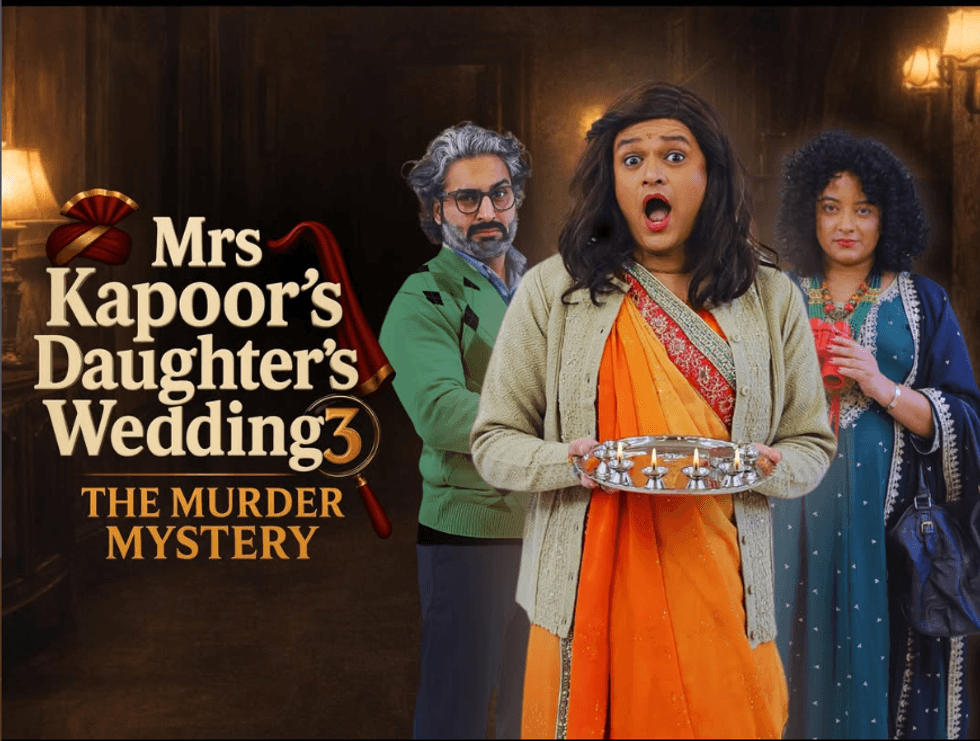 A scene from Mrs Kapoor’s Daughter’s Wedding 3 at Curve TheatreCurve Theatre
Henley spoke of how art can help young people deal with mental health problems. “We absolutely know that among young people right now, there are higher incidences of being mentally unwell. We also know there are things that cultural organisations and artists can do to help these young people. One of the things that makes people unhappy is loneliness or that they are not part of a community or that they no longer have a sense of purpose in their lives. We know that being part of an audience or being a visitor to a cultural space, be it a museum or a library or an art gallery – or even being a volunteer in those places – can enrich their lives.”
He referred to a book published earlier this year called Art Care: The Science of How the Arts Transform Our Health by Daisy Fancourt, professor of psychobiology and epidemiology and head of the social biobehavioural research group at University College London. The book examines “how art can improve our health, make us happier and even help us live longer”.
Asked about the places he has visited in the last 12 months, Henley recalled: “Last week, I was in Barrow-in-Furness in Cumbria. It’s a town in a very beautiful part of England known for its BAE Systems and its nuclear submarines. The week before I was in Leicester and Derby. Last week I was also in Wakefield in Yorkshire. In a couple of weeks, I’m going down to Cornwall. I also spend time in London, Manchester, Leeds, Newcastle, Birmingham and Bristol. Sometimes, I go to post-industrial towns, somewhere like St Helens or Wigan. I went to Milton Keynes and the Isle of Sheppey in Kent. I meet people in the artistic community and audiences, as well.
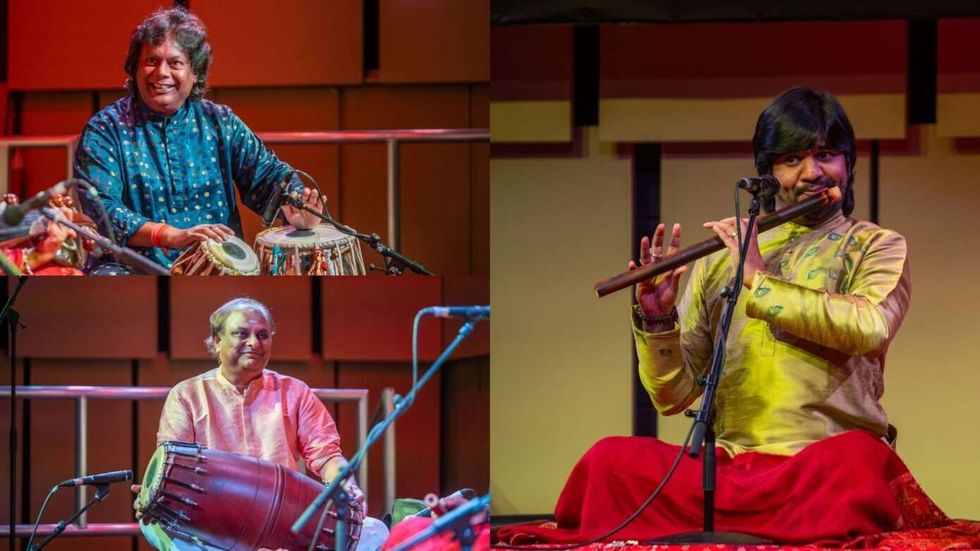 Musicians perform at MilapEastern Eye
“We invest in amazing individual artists and cultural organisations who deliver their work. We do it in the service of audiences. That’s who we’re here for. That’s the justification for spending public money.”
No one could have been as passionate about supporting British Asian arts as Henley. In the past year, he has very much enjoyed seeing Rifco’s production of Surinderella in the company’s home town of Watford.
What had impressed him was the way pantomime, a traditional British art form, had been combined with Bollywood. He said young people in Britain are familiar with pantomime. “They go and see theatrical performances with their school. They can see dancing and comedy and theatricality. What I loved about what Rifco did was they took the best of traditional pantomime and the best of those great Bollywood stories, with all the glamour and glitz and razzmatazz of Bollywood, and brought them together. It was wonderful to see children in the audience seeing their culture reflected on stage. It was a joyous occasion. We can use the arts of any sort to bring joy into people’s lives.”
He added: “There are lots of serious things the arts can do, and that’s important, too. In a society that is increasingly fractured, there is a role for artists and cultural organisations and cultural spaces to bring people together and have conversations they wouldn’t otherwise have. At the same time, it’s great to see happiness and joy, and smiles on the faces of children in the audience, and calling out and cheering and shouting. It was a lovely evening. Rifco did that really well. It’s to their credit.”
He talked about how art, created in the UK by British Asian artists, can do the artistic equivalent of transporting coals to Newcastle.
“I am thinking of (the dancer) Akram Khan,” he said. “The work made here in the UK has toured internationally. Our literature is translated into many languages.
“He also gave the example of Milapfest (now known as Milap), a Liverpool-based organisation that promotes Indian music, dance and culture through performances. “They have taken the British version of Indian classical music – it’s more ensemble based – and taken that to India. So there’s an international cycle of creativity.”
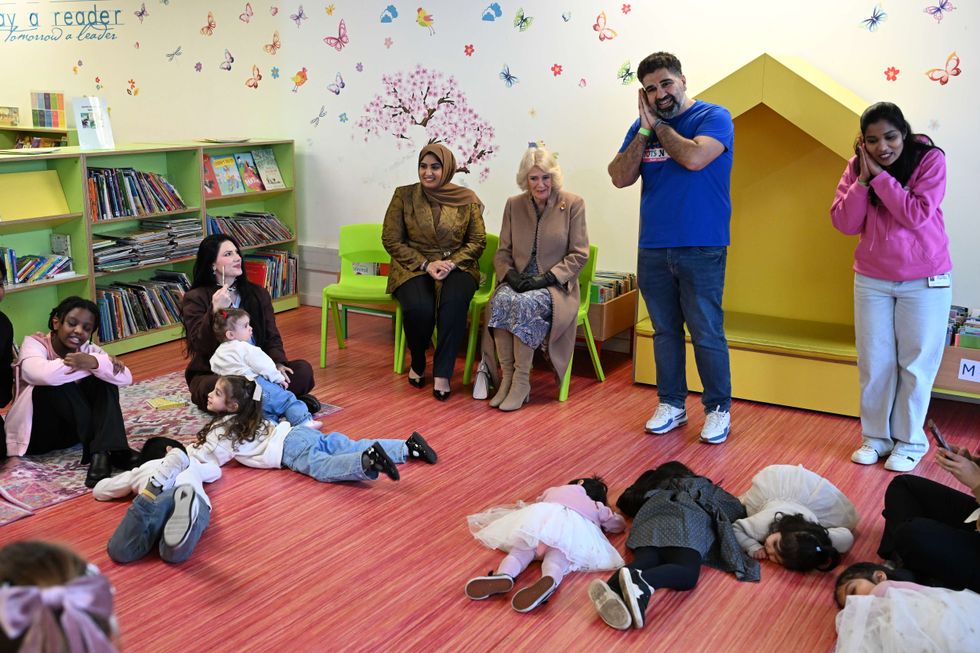 Queen Camilla watches a performance by children in FebruaryKate Green/Getty Images
Henley is greatly encouraged by the lasting legacy as a consequence of Bradford hosting arts events in 2025 when it was the UK’s “City of Culture”.
For example, Nnena Kalu won the 2025 Turner Prize at a ceremony held at the Cartwright Hall Art Gallery in Lister Park in Bradford.
Henley commented: “There were amazing works coming into town, but at the same time there was a real sense of ownership of that work by people who live there. The legacy for Bradford is that people who live in Bradford tell the story of possibility in Bradford in a different way, as a result of that year. And people outside of Bradford quite possibly visited the city for the first time. It’s one of the youngest cities in the country in terms of population profile. It has moved from being somewhere that was another city to being a place that’s talked about nationally in its own right.”
Despite his busy life, Henley has found time to write a book, Separated, but not divorced: The artistic life and times of Thomas Sidney Cooper.
As an artist, Cooper was to cows what Stubbs was to horses.
Henley says in the book’s introduction: “Thomas Sidney Cooper is quite possibly the greatest English painter of cows and sheep of whom many art lovers have never heard.”
There is a reason why Cooper, who lived for nearly a century from September 26, 1803 –February 7, 1902, appealed to Henley.
“I’m very interested in those people who are outsiders, and whose story I think needs to be told,” he explained. “He even painted Queen Victoria’s favourite cow who was called Buffie. Her response to the resulting work was, ‘Oh, yes, that’s my Buffie!’ He’s a forgotten artist who deserves to be remembered. As I travel round the country, I always say, ‘Can I see your Thomas Sidney Cooper?’ He was a man who loved pantomime and theatre, and he used to pay for all the poor children in Canterbury.”
In the book, Henley says that in Cooper’s home city of Canterbury , there is a venue called Beaney’s House of Art and Knowledge. This contains the largest collection of Cooper’s work, including “Separated, not divorced, a painting of oil on canvas which Cooper began in 1874 and completed in 1882. It features Charlie, a Shorthorn bull, painted at three-quarters of his actual size, standing in the foreground. He is separated, but not divorced from the rest of the herd who are to be found grazing near the river in the background.”
Henley writes: “Although something of an outsider, Cooper operated successfully at the heart of the establishment even though he sometimes felt that he was never fully embraced by the artistic elite.”
Maybe there is a moral in there somewhere. It is possible that some British Asian artists still feel they are outsiders. Henley has worked hard to bring them into the mainstream.

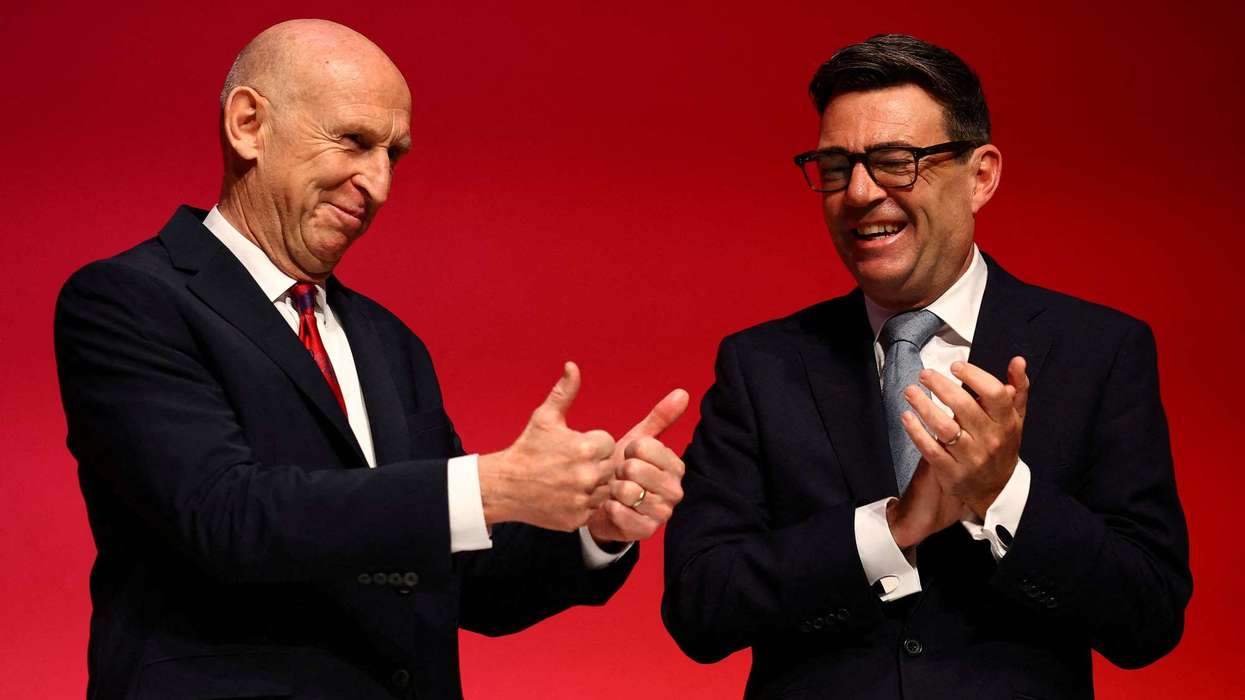



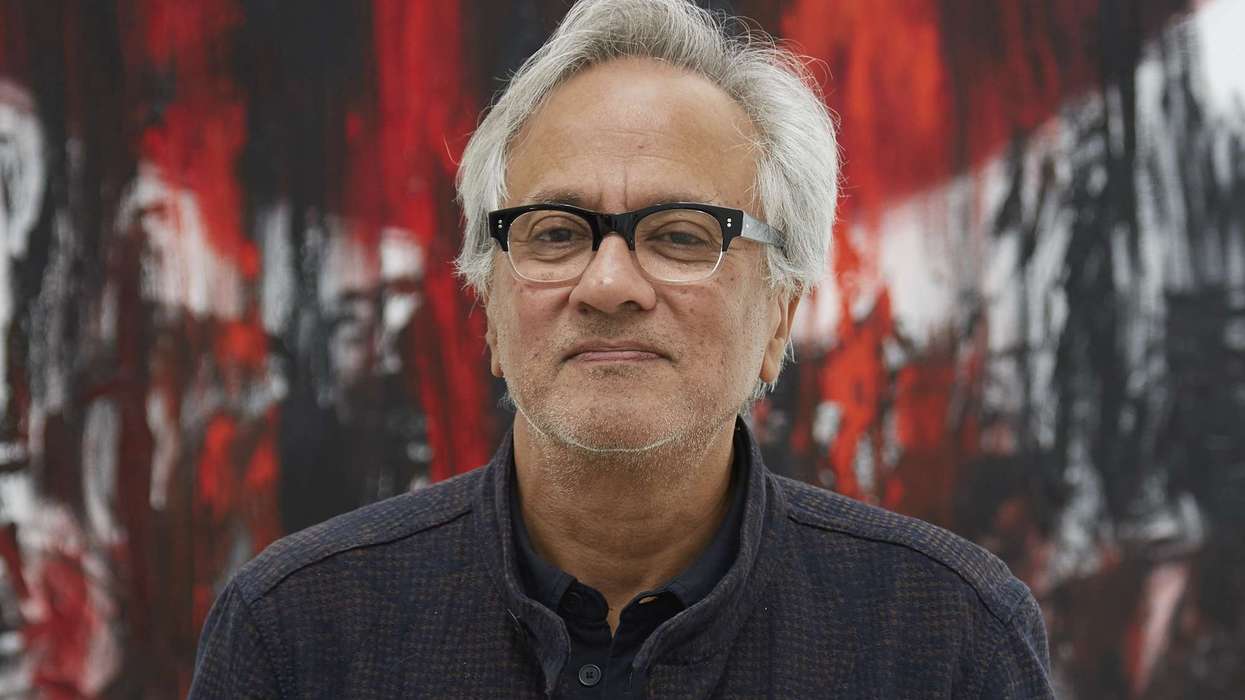
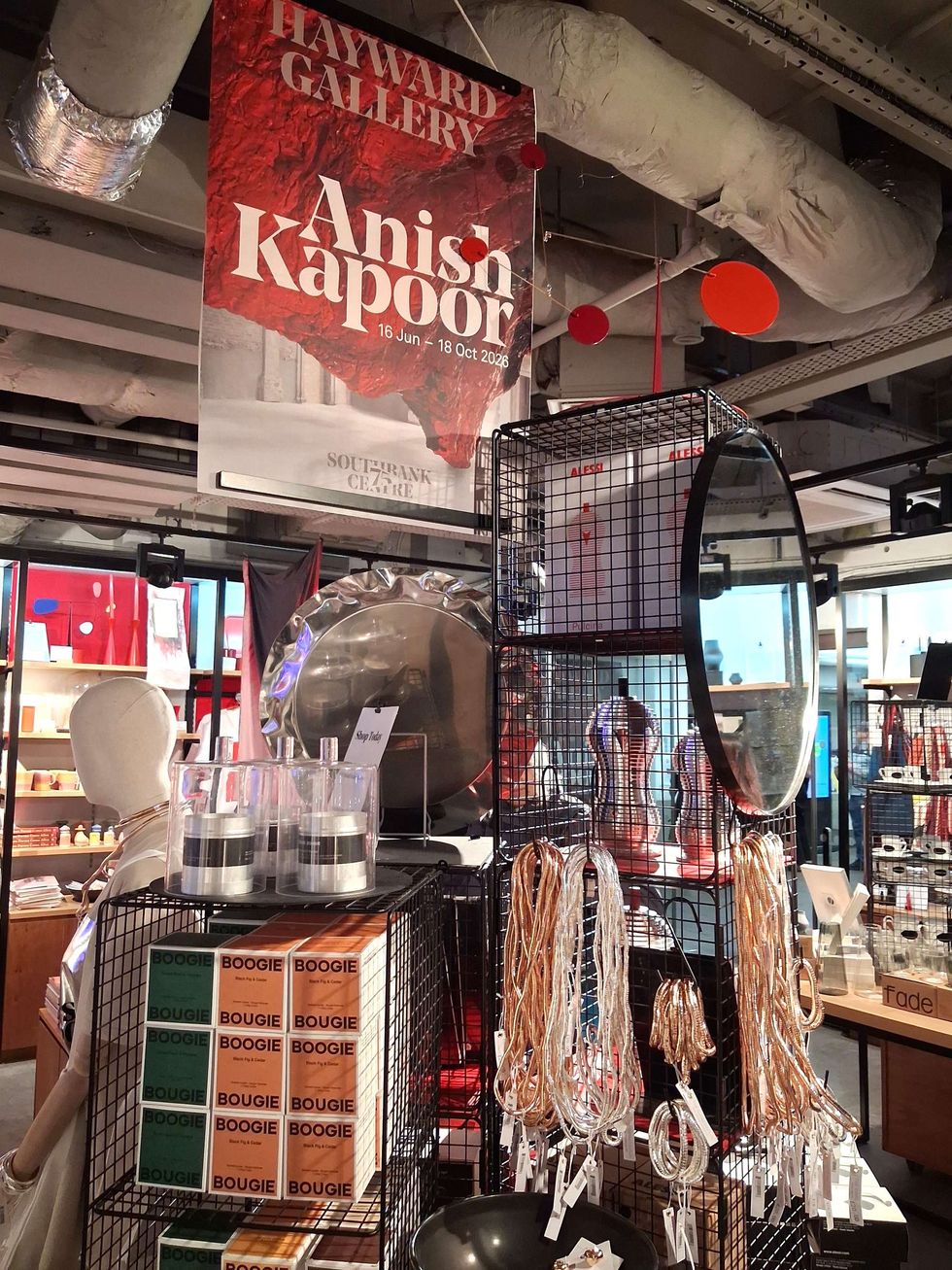 Anish Kapoor merchandise in the Hayward Gallery shopEastern Eye
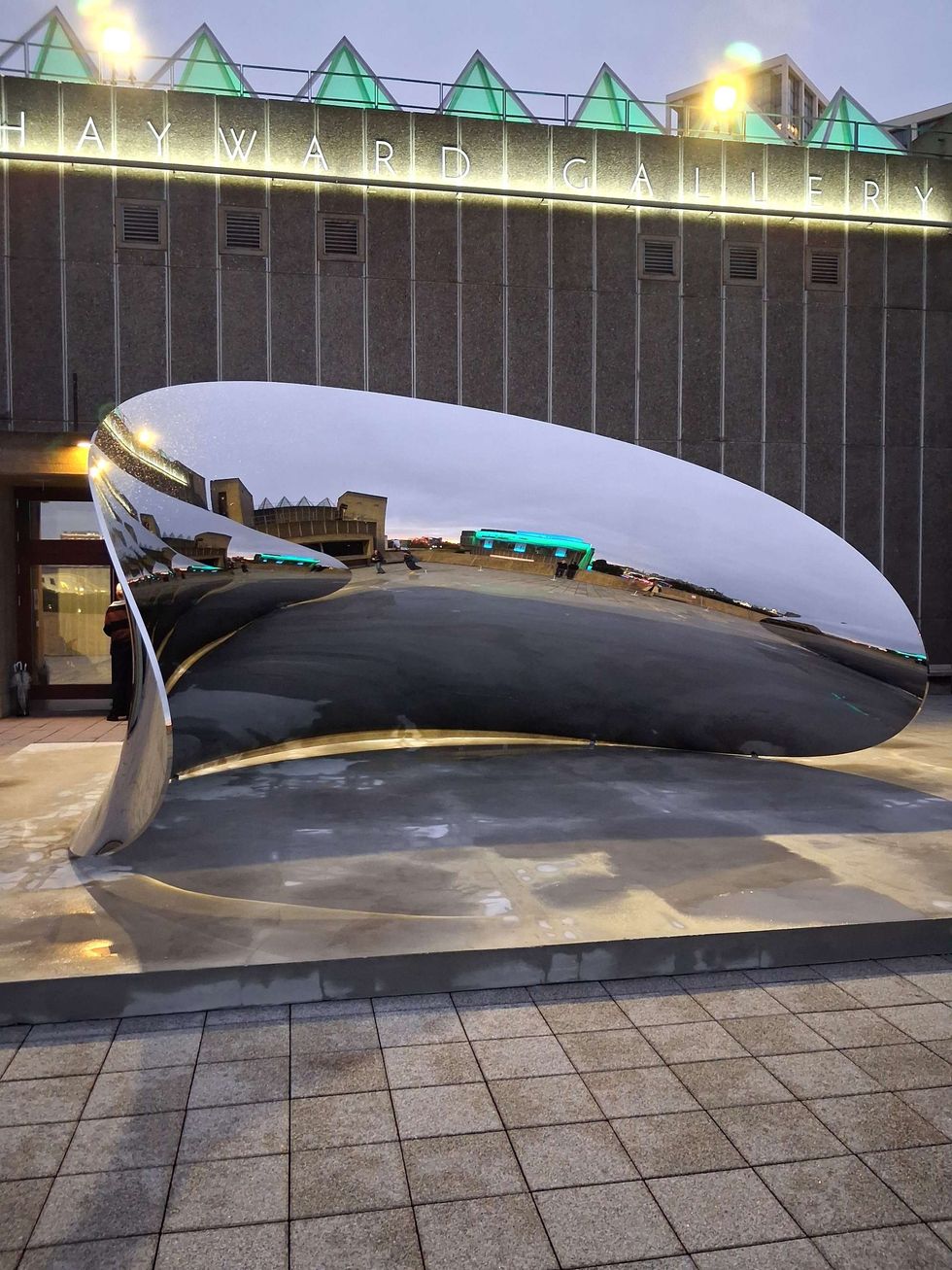 TsunamiEastern Eye
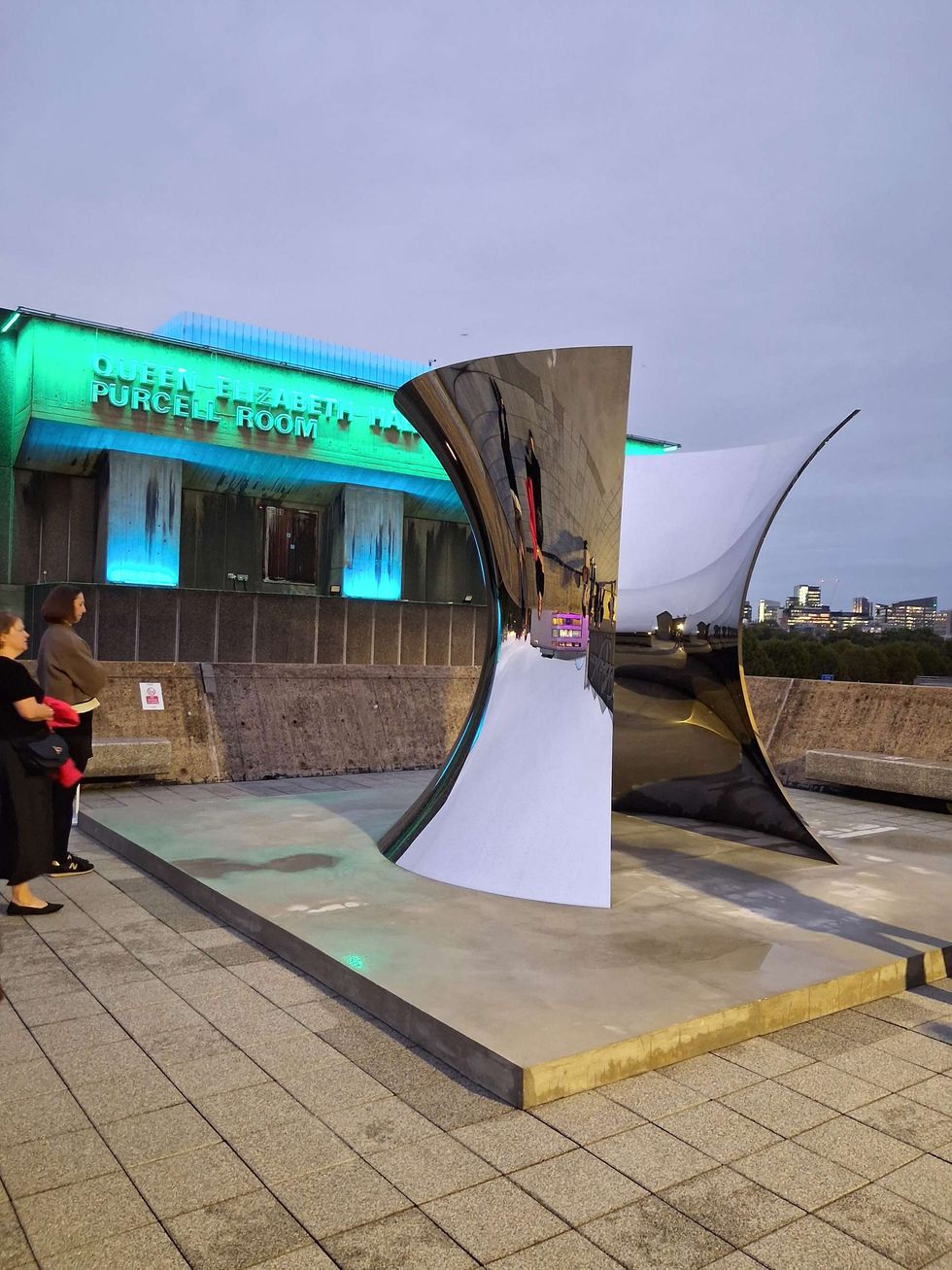 CloakEastern Eye
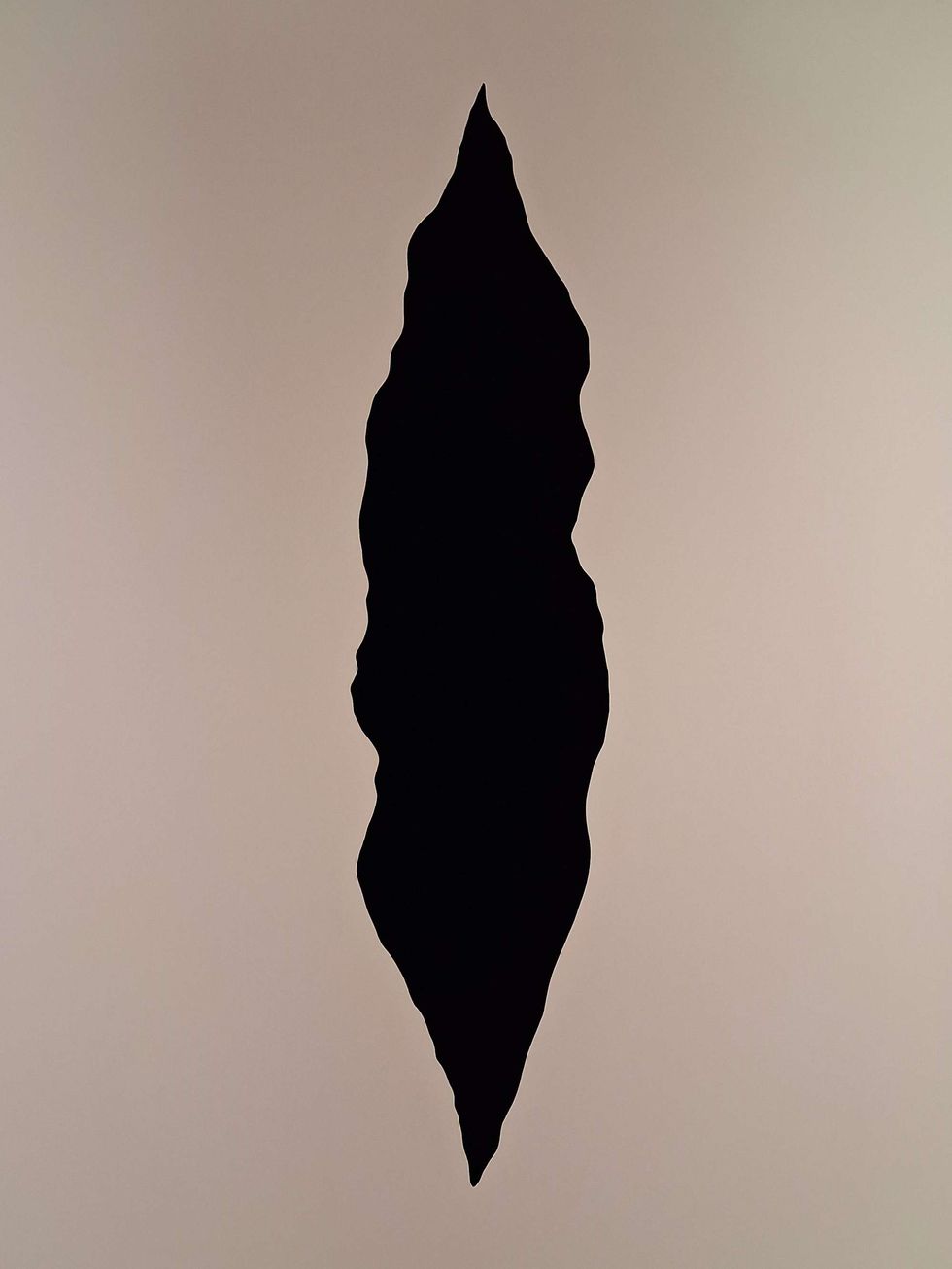 Untitled (work in Vantablack)Eastern Eye
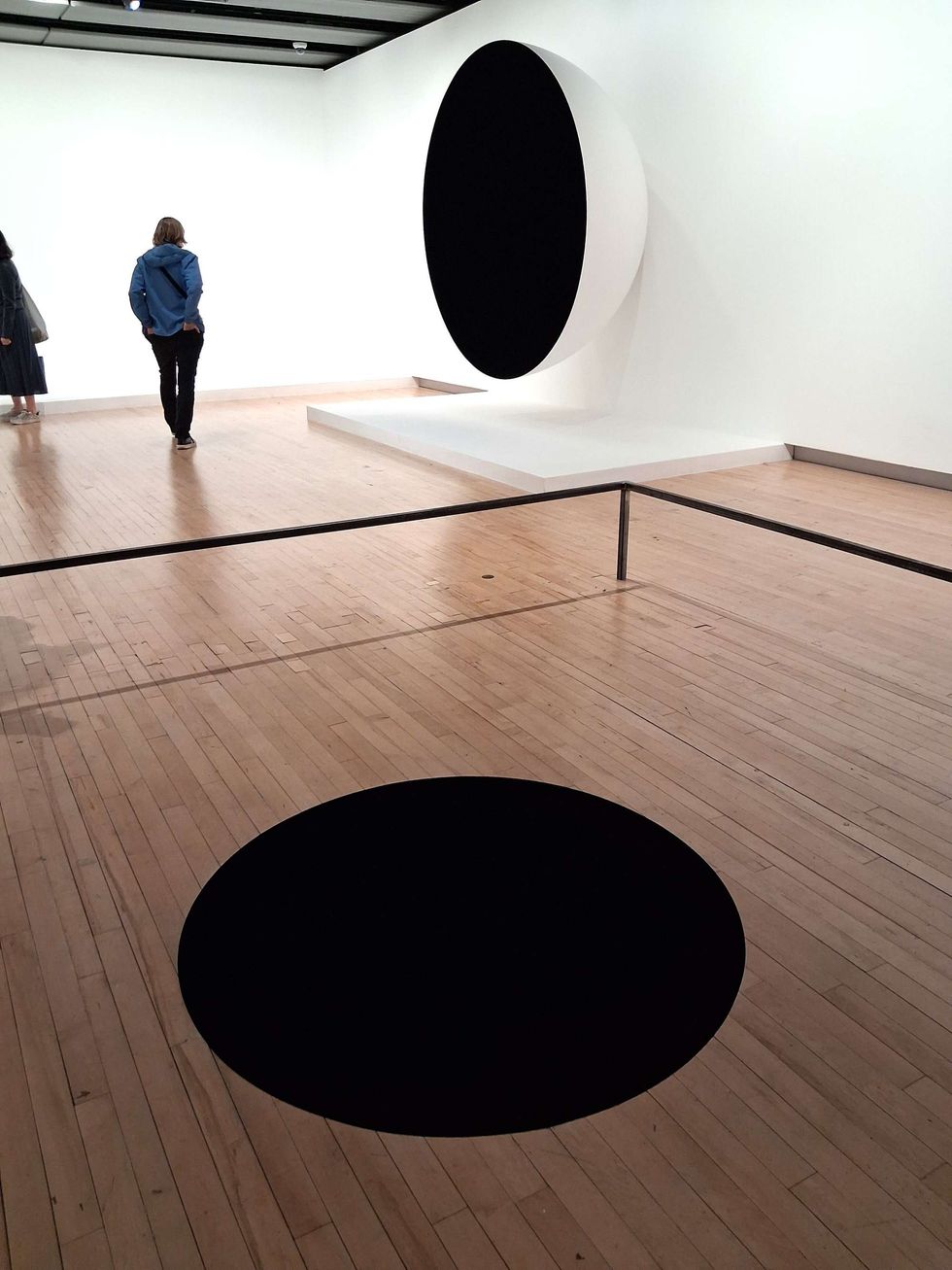 Descent into limbo (work in Vantablack)Eastern Eye
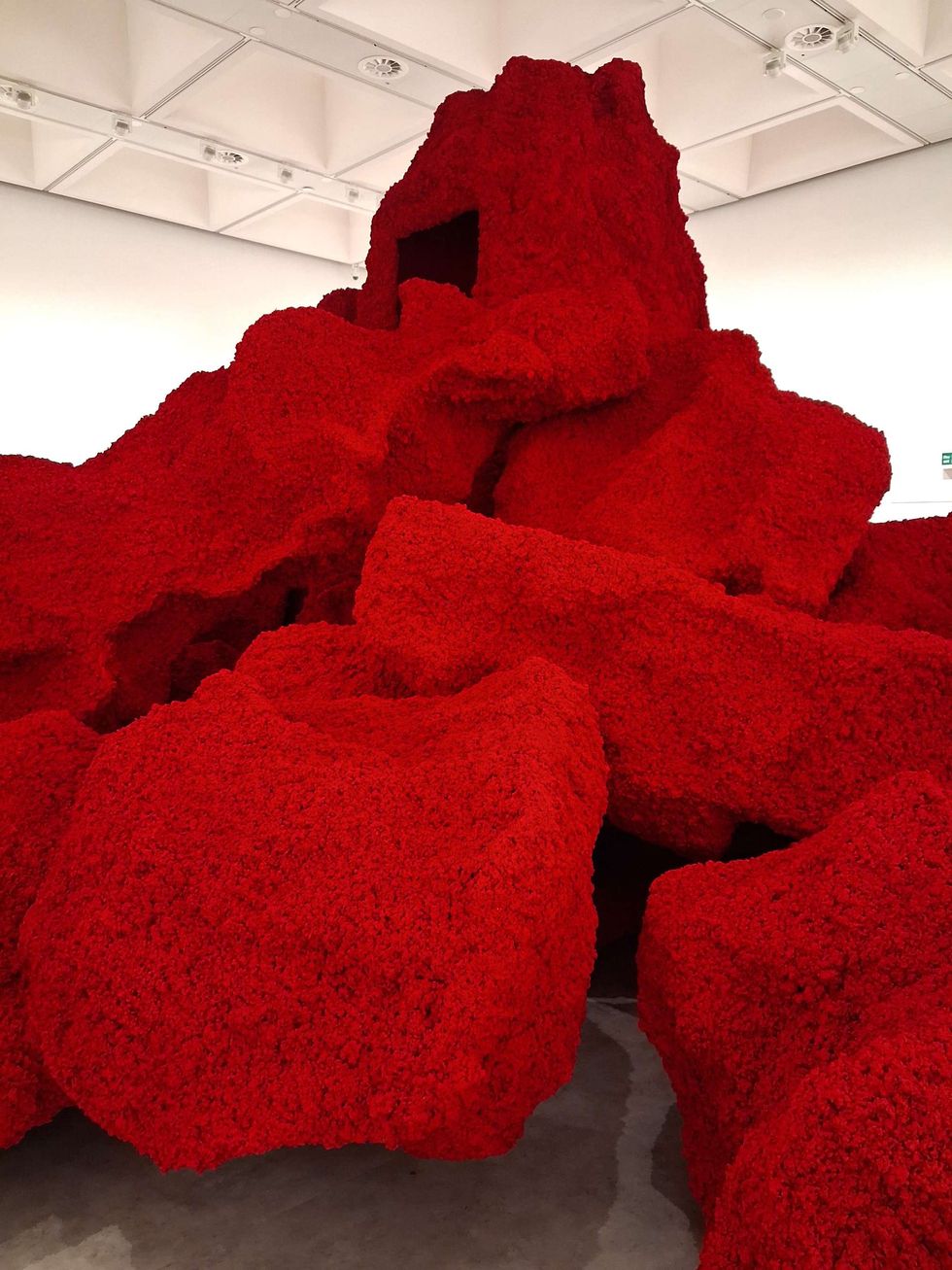 Ha MakomEastern Eye
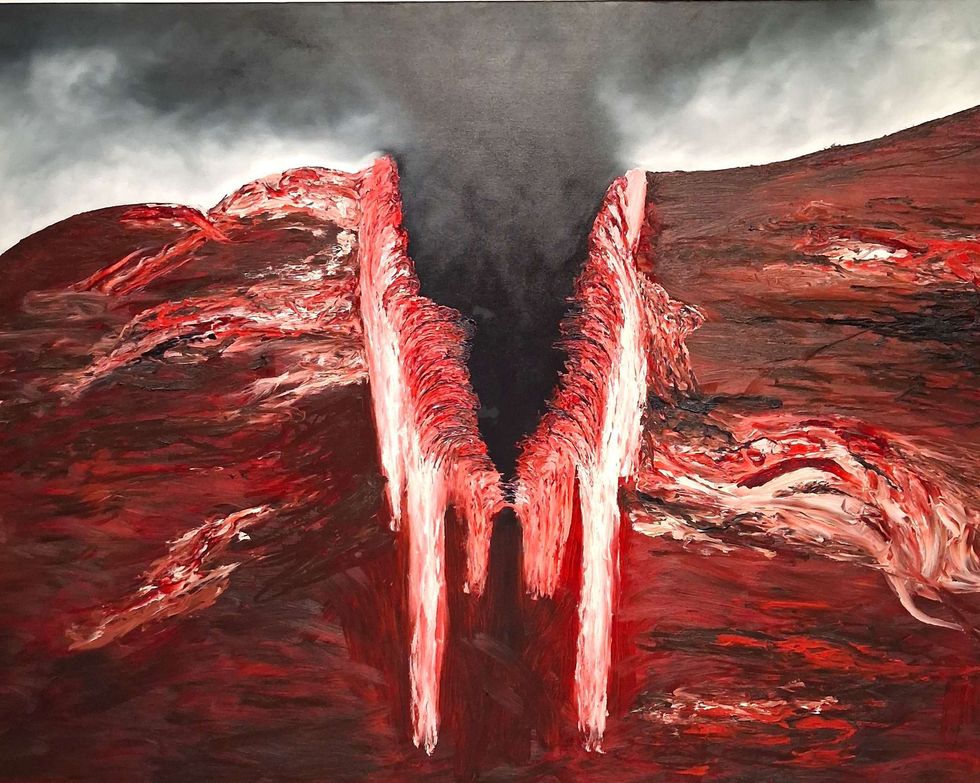 The Dark (oil on canvas)Eastern Eye
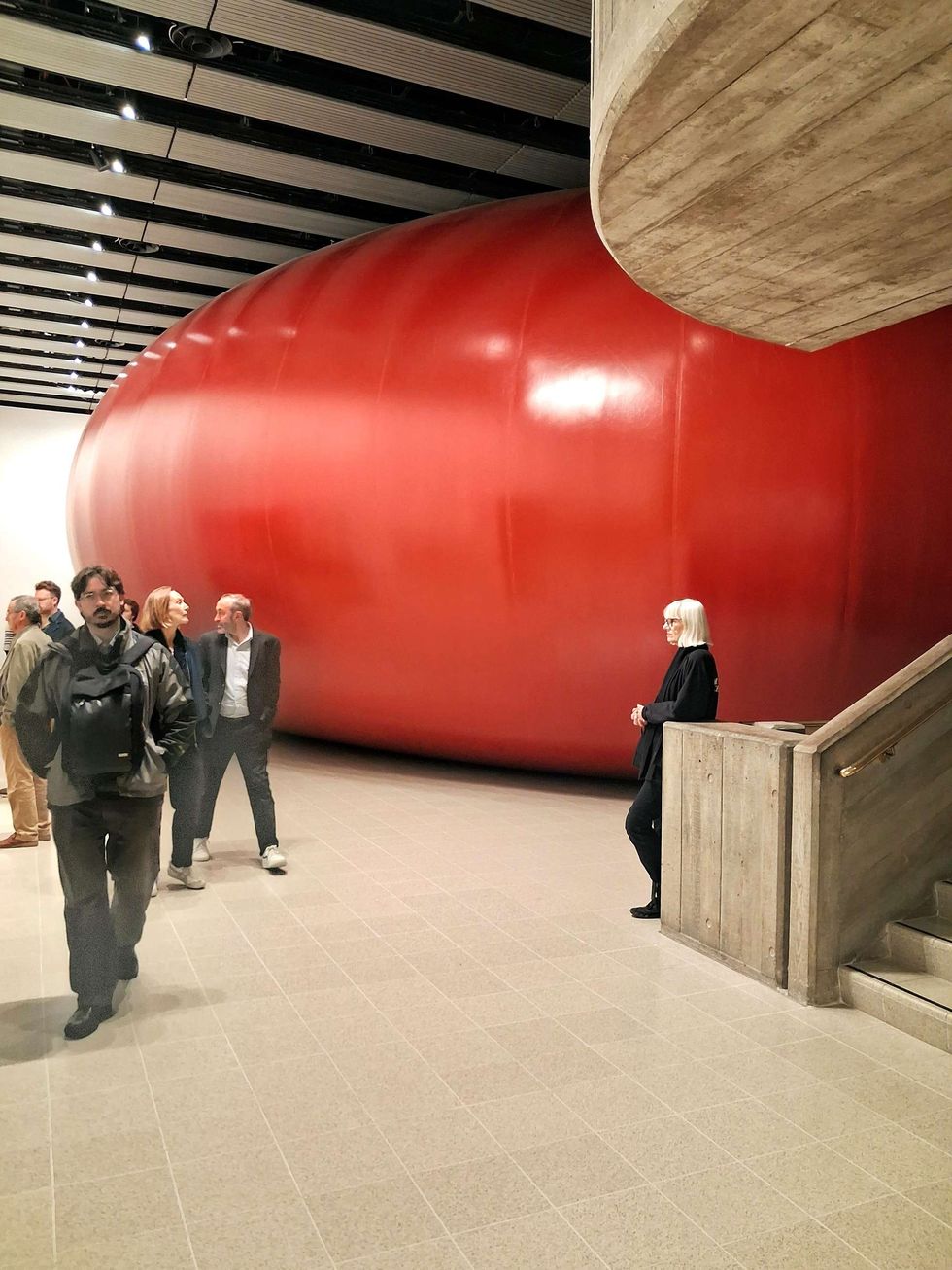 All is NothingEastern Eye
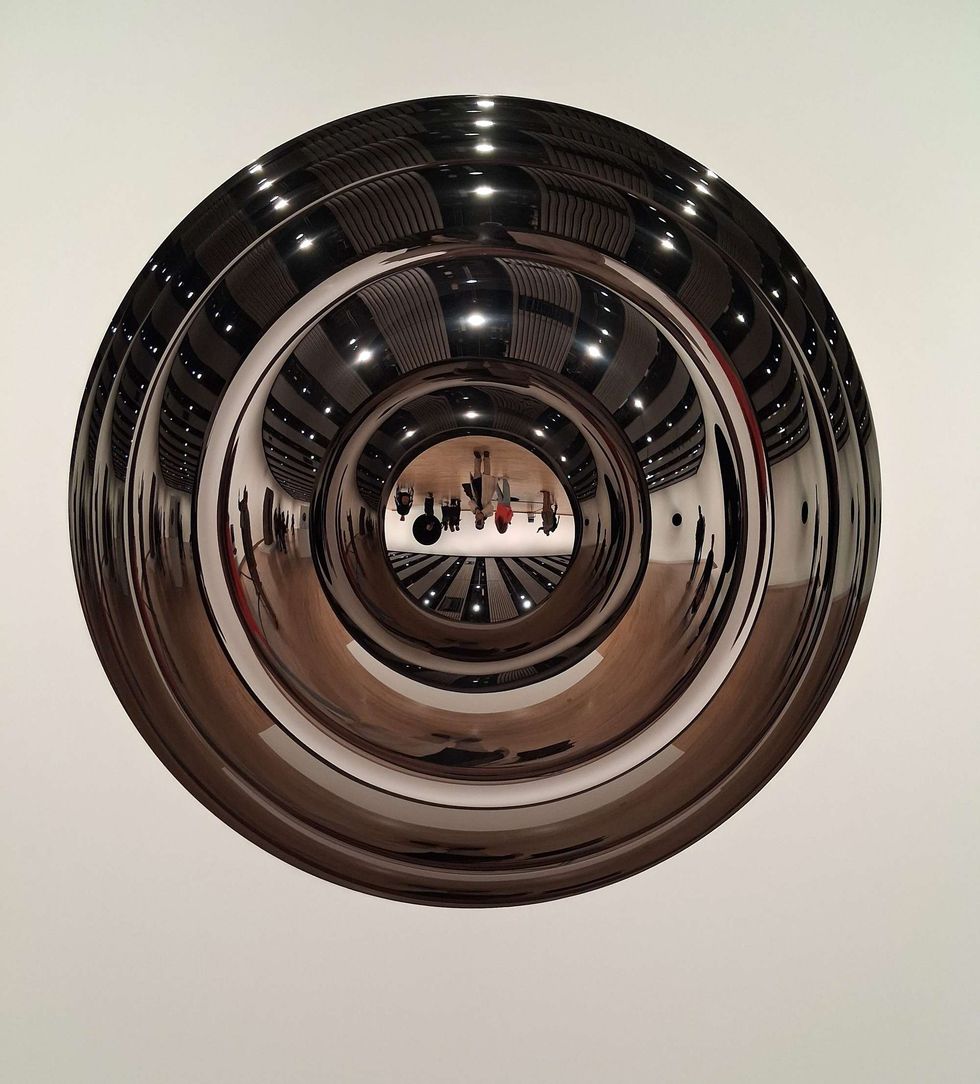 IrisEastern Eye
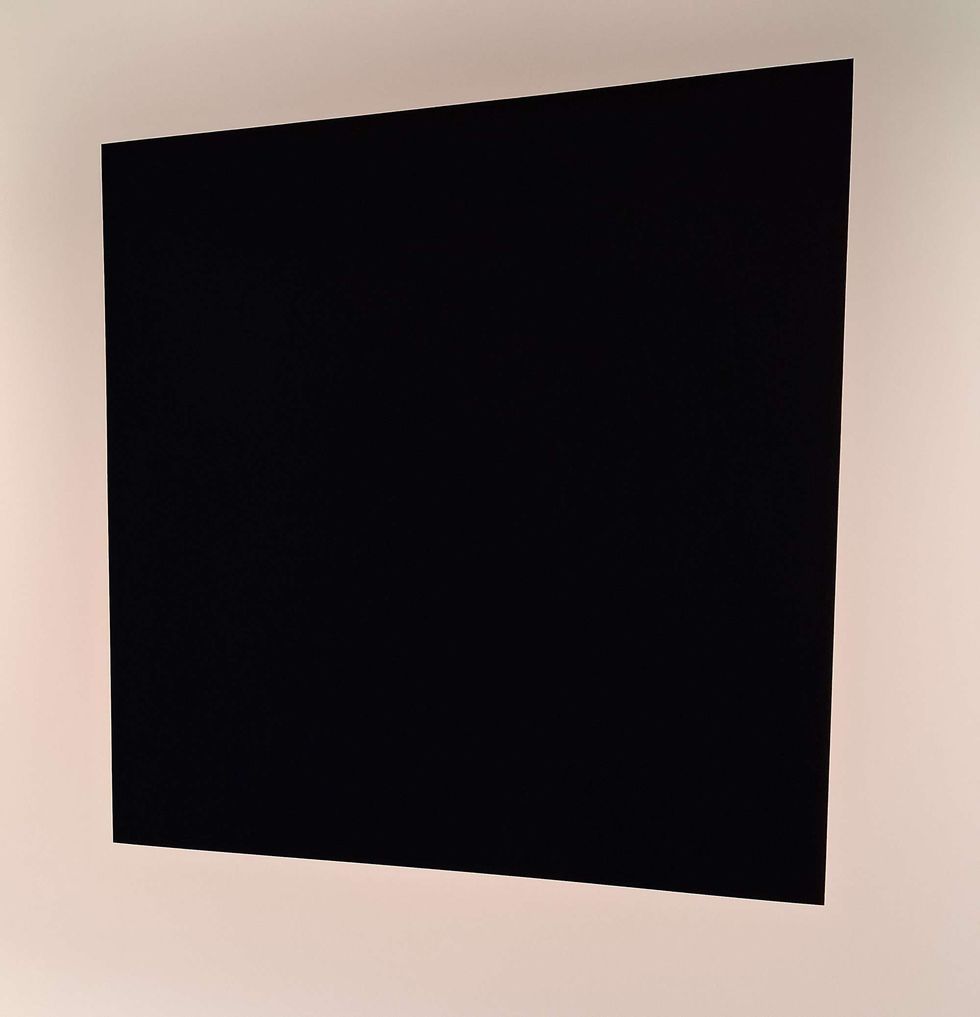 Untitled (work in Vantablack) Eastern Eye
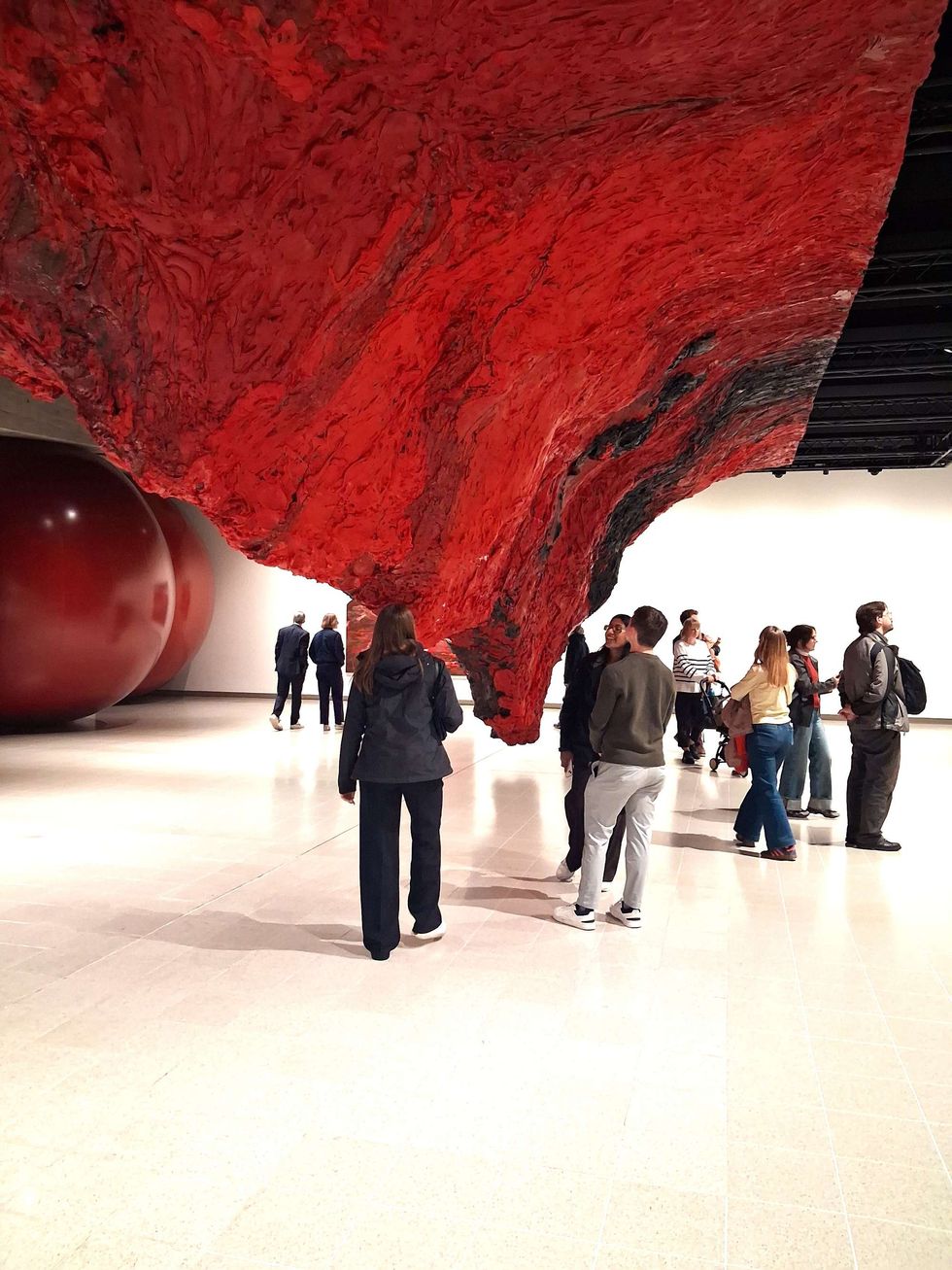 Mount Moriah at the Gate of the GhettoEastern Eye
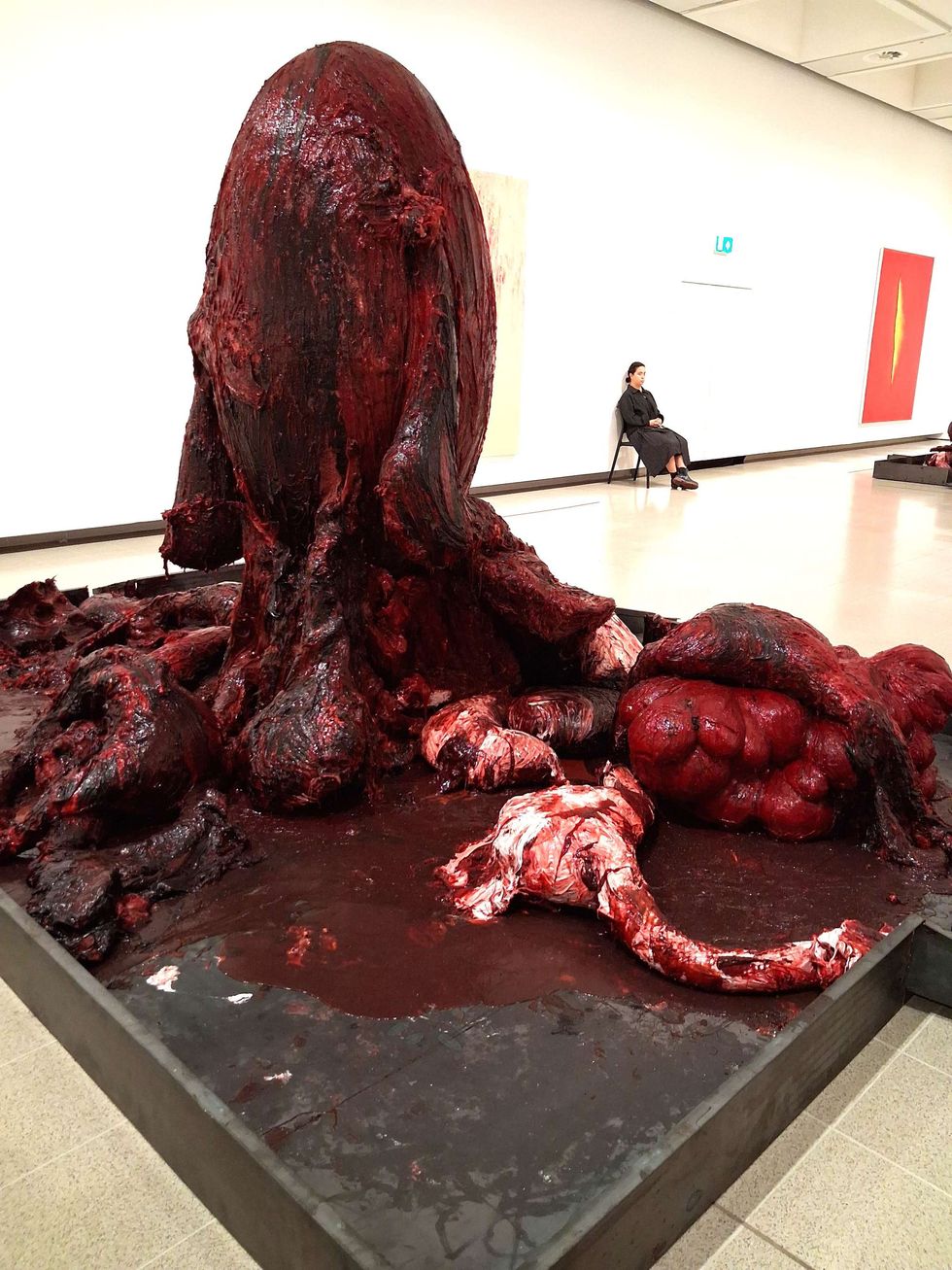 Interior of the body: evocation of ritual sacrificeEastern Eye