Pakistan prime minister Imran Khan on Sunday (22) ruled out complete lockdown in the country, saying it will create chaos and urged people to self-quarantine to curb the spread of the coronavirus, which has so far claimed four lives and infected 646 people in the country.
Addressing the nation as cases of the novel coronavirus surged across the country, Khan reiterated that lockdown will create chaos as more than 25 per cent people were living below the poverty line and their lives will be shattered.
He said the situation in Pakistan does not call for a lockdown yet.
"Let me first tell you what a complete lockdown is. It means imposing a curfew and locking people in their homes," said Khan.
We cannot afford complete lockdown as it will create massive unrest, he said, adding that the situation in the country is not as bad as in Italy or France.
If the condition was similar to that of Italy, I would have imposed a lockdown, he said.
He urged the people to follow the policy of self-isolation and stay inside their homes. He said the government was constantly watching the situation and all necessary measures will be taken accordingly.
The government on Saturday suspended all international flights for two weeks and curtailed train services to curb the spread of the virus, which has turned into a major global crisis.
Official data issued by National Disaster Management Authority showed at least 646 confirmed coronavirus cases.
On Saturday, the public relations officer (PRO) to the Sindh health minister told the media that the number of COVID-19 patients in the province has surged to 392. Throughout the day, the local media outlets quoted the new figures which took the nationwide tally of COVID-19 patients to 745.
The massive spike in numbers created alarm and sent the people panicking. However, late in the night the PRO revised the figures downwards to 292 citing a counting error .
The Khyber Pakhtunkhwa government on Sunday confirmed third death to the novel coronavirus in the province, bringing the country's tally of COVID-19 fatalities to four.
Addressing a news conference, Khyber Pakhtunkhwa government Spokesperson Ajmal Wazir said a woman who tested positive for the virus had passed away on Saturday. She had recently returned from Iran.
The Provincial governments in Balochistan, Punjab Sindh requested deployment of the armed forces in the wake of a surge in novel coronavirus cases across the country.
However, Sindh chief minister Murad Ali Shah announced to lockdown the province from midnight.
Sindh has witnessed more cases of coronavirus than any other part of the country with nearly 300 patients.
He said that all offices will be closed and gatherings banned. Additionally, those who are not required to, will not be allowed to go outside in public.
The Punjab government has written a letter to the interior ministry asking for the deployment of the army to help deal with the coronavirus situation in the province, where over 150 people have been infected with virus.
Punjab chief minister Usman Buzdar said the army's help was needed to ensure lockdown in the province, where over 150 people have tested positive.
Meanwhile, a petition has been filed in the Supreme Court on Saturday, seeking directions to the federal and provincial governments for effectively dealing with the coronavirus outbreak.
Petitioners requested the court to order the federal government to declare a national public health emergency across the country, establish an emergency relief fund, and order utilisation of the dam fund for combating the dreadful virus, the News reported.





 Taylor Swift opted for a strapless Dior gownGetty Images
 Naomi Ackie stood out in a custom aubergine Balenciaga gown Getty Images
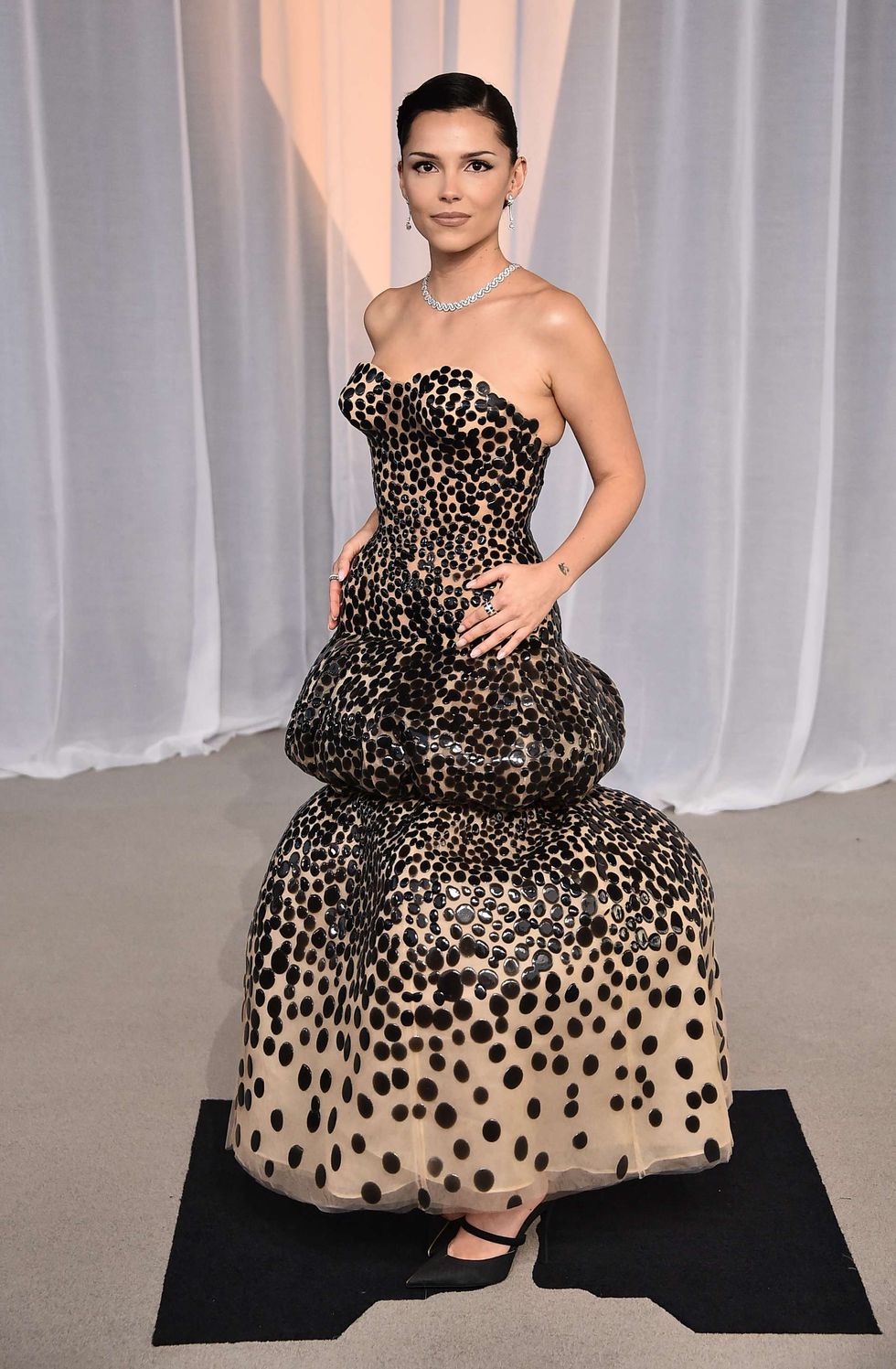 Inde NavarretteGetty Images
 Sabrina CarpenterGetty Images
 Cailee SpaenyGetty Images
 Colman DomingoGetty Images
 Gemma Chan took a more understated approach in a pink silk gabardine dress by PradaGetty Images
 Jessica BielGetty Images
 Kate HudsonGetty Images
 Miyako BellizziGetty Images