
Highlights
- Malhotra Group plc partners with Newcastle-based Children's Cancer North for year-long 2026 campaign.
- Fundraising events include cocktail battles, 24-hour bikeathon, Great North Run team and volunteer support.
- Over 100 young people diagnosed with cancer annually in North East and Cumbria region.
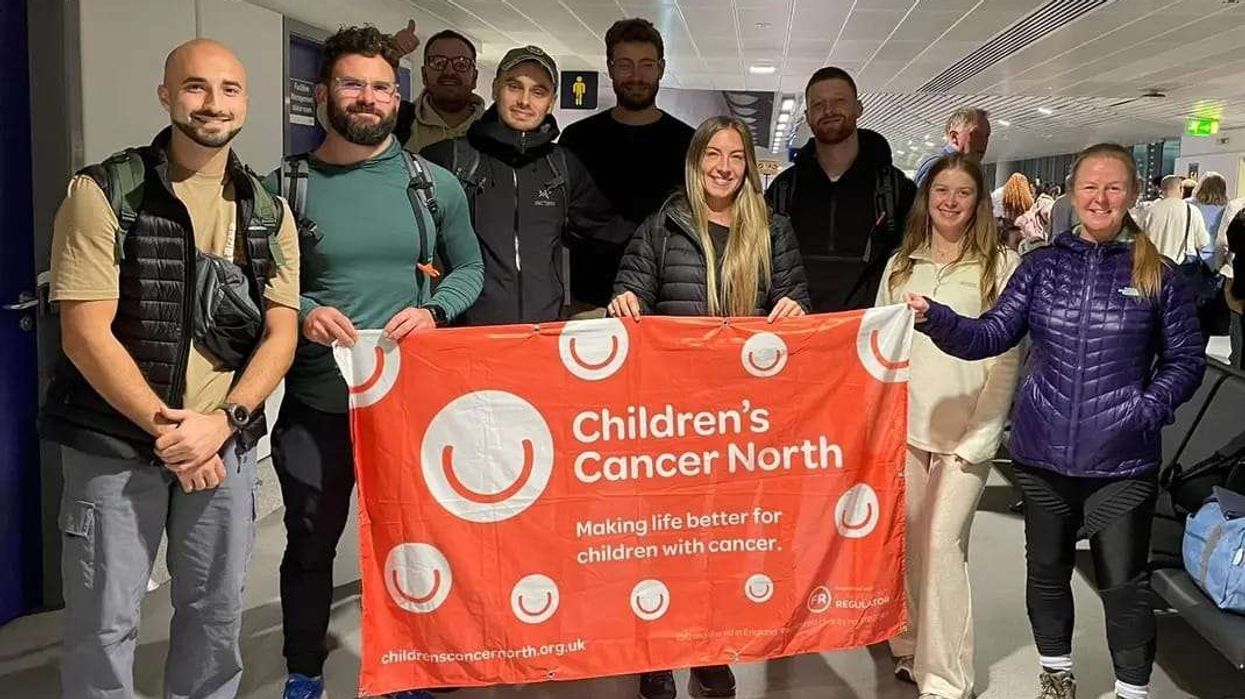
North East hospitality group Malhotra Group plc has pledged to support children with cancer through a year-long fundraising campaign, naming Children's Cancer North as its 2026 charity partner.
The Newcastle-based charity supports young cancer patients in the North East and Cumbria, where more than 100 young people are diagnosed with cancer each year.
The company will raise funds through activities across its hotels, bars and restaurants throughout 2026.
Atul Malhotra, operations director at Malhotra Group, told The Northern Echo, "As a parent myself I can't imagine how it must feel when a child gets a cancer diagnosis.
It's every parent's worst nightmare. But Children's Cancer North is there to help – with financial and practical support and by actually investing in state-of-the-art research into kinder treatments – and they must be an absolute lifeline to parents in their darkest hours."
Fundraising event
Malhotra Group's fundraising plans include a cocktail battle in January between staff at Three Mile in Gosforth and The Runhead in Ryton.
The winning cocktail, selected by judges and a social media poll, will be sold across all venues with £1 from each sale donated to the charity.
Other events include a 24-hour sponsored bikeathon at The Runhead in February, a fundraising quiz at Three Mile in March, staff volunteering at the Children's Cancer Run on 17 May, and a five-person team entering this year's Great North Run.
Existing fundraising efforts, including a £1 optional donation on customer bills and a nominated charity dish at each venue, will remain in place. The group raised more than £10,500 for St Oswald's Hospice in 2025 through similar initiatives.
Tiago Santos, Corporate Partnerships Officer at Children's Cancer North, pointed that the charity was "hugely grateful" to be chosen.
"I think there is much to be said about the fact that we are two North Eastern organisations working together to make life better for children with cancer in our region, and across Cumbria," he added.
Children's Cancer North invests in research, raises awareness and provides support for families affected by childhood cancer.