
Highlights
- Greek mythology explainers are gaining millions of views across social media after The Odyssey.
- UK searches for "learn Greek" have risen by 550 per cent in the past month.
- Sales of Homer's The Odyssey have climbed 70 per cent as audiences revisit the original epic.
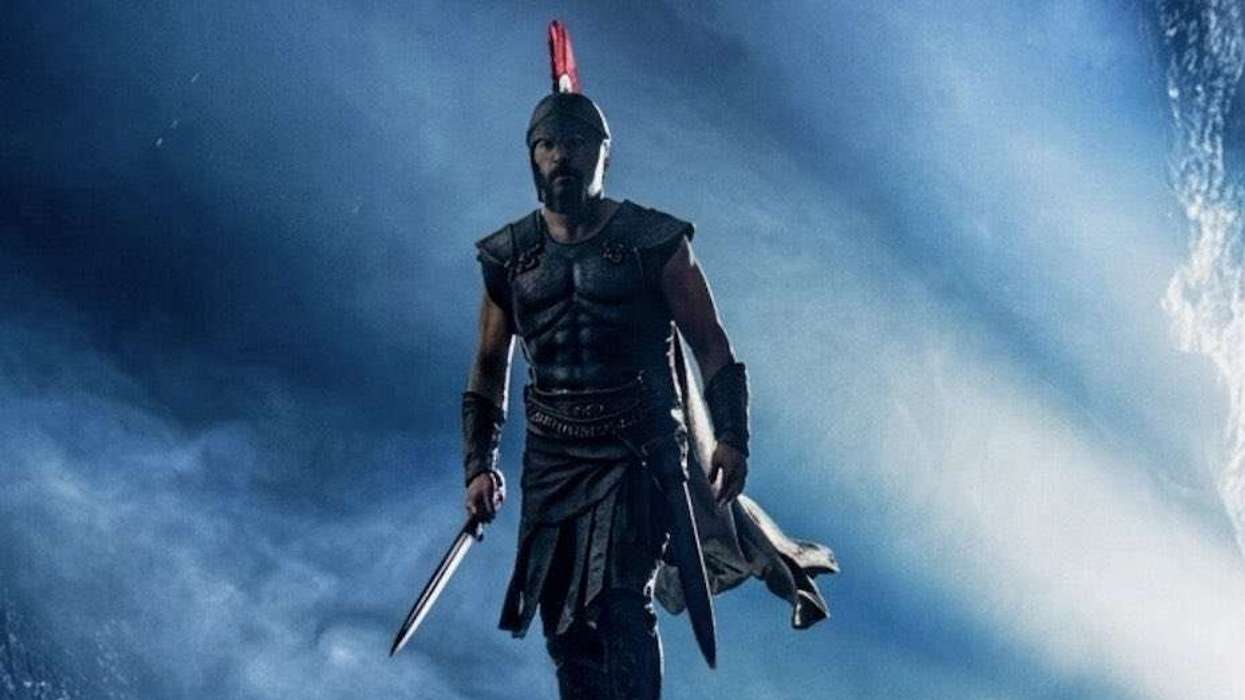
Christopher Nolan's The Odyssey has become more than one of the year's biggest films. It has sparked a wave of interest in ancient Greece, with audiences turning to social media, books and language lessons to better understand the myths and history behind Homer's epic.
From viral videos explaining Greek gods to a sharp rise in searches for Greek language classes, the film has inspired many viewers to look beyond the big screen. Here are five ways The Odyssey is shaping a wider cultural conversation.
1. Greek mythology explainers are dominating social media
Social media platforms have seen a surge in creators breaking down the myths behind The Odyssey. Videos explaining the roles of Athena, Poseidon, Circe, Calypso, the Cyclops and other legendary figures have attracted millions of views, helping audiences understand the stories that inspired Nolan's adaptation.
Many creators have also explored the historical background of ancient Greece and highlighted the differences between mythology and the film's interpretation.
2. More people want to learn Greek
Interest has extended beyond mythology into language learning.
Analysis of Google Trends by language-learning platform Preply found that UK searches for "learn Greek" increased by 550 per cent over the past month, reaching around 6,000 monthly searches as anticipation for the film grew.
Language trends expert Madeline Enos said people are showing interest in both ancient and modern Greek, whether to read Homer's work more closely or connect with Greece's contemporary culture.
She added that films often inspire people to explore a language because they create an emotional connection with a story, its setting and its history.
3. Readers are returning to Homer's epic
The renewed fascination has also boosted book sales.
Nearly 40,000 copies of Homer's The Odyssey have been sold in Britain this year, a 70 per cent increase compared with the same period last year. Almost 5,000 print copies were sold in the week before the film's release alone, as readers revisited the poem that inspired Nolan's adaptation.
4. Classics are back in the spotlight
The film has also reignited interest in the study of classics and ancient Greek.
Online communities dedicated to classical literature have been discussing Homeric Greek, the dialect used in The Odyssey, while educators continue to highlight the wider benefits of studying ancient languages. Academics have long argued that classics combines literature, history and language, encouraging analytical thinking while providing insight into the ancient world.
5. Fans are comparing the film with Homer's original story
Discussion has continued well beyond cinemas, with audiences debating how closely Nolan's adaptation follows Homer's epic.
Across forums and social media, fans have been comparing characters, storylines and mythological details, while others have shared reading guides and recommendations for those discovering The Odyssey for the first time.
The conversations suggest that the film has become more than a blockbuster adaptation. For many viewers, it has opened the door to exploring one of history's most influential works of literature and the rich mythology that surrounds it.