Skip to content
Search

Latest Stories

Submit Guest Post

Chip shortage forces Jaguar to halt production

SHORTAGE of chip forces Jaguar Land Rover to halt production at its Slovakian factory, The Times reported.

The luxury car producer, owned by the Indian conglomerate Tata, is understood to be stopping production this week at Nitra in Slovakia, that has a capacity to build 150,000 off-roaders a year.


The chip shortage has also affected production at its Halewood factory on Merseyside in recent weeks.

The global automotive industry has been hit by the chip shortages, affecting the supply of parts from headlights to screens.

Tata is understood to have lobbied the government to help ease the shortages by using diplomatic channels and pointed to the US president Joe Biden’s pressure on chip-makers.

Biden plans to make US a world leader in chip production.

Jaguar said it is “adjusting production schedules in some of our plants to reflect (disruption).”


Add EasternEye As Your Trusted Source
preferred source on google news

More For You

UK-EU Deal

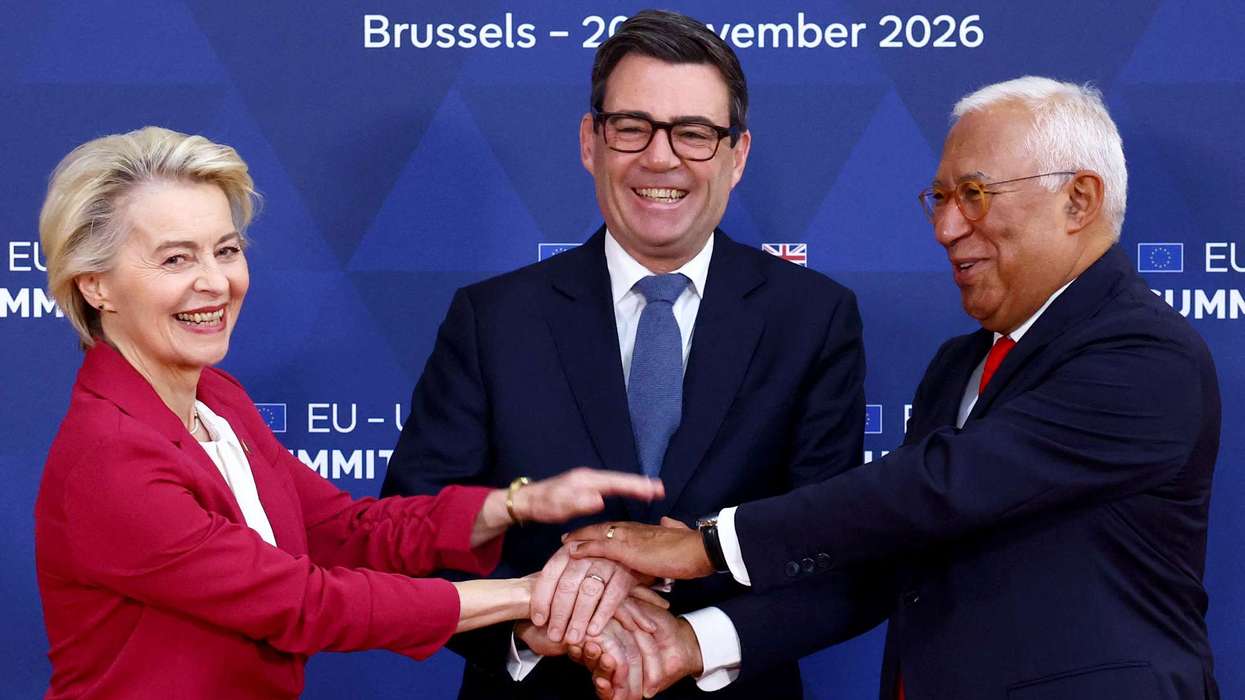
British Prime Minister Andy Burnham (C) poses with European Commission President Ursula von der Leyen (L) and European Council President Antonio Costa (R) as he arrives at the EU Council for a EU-UK Summit,

Getty Images

A decade after Brexit, Britain is rewriting its relationship with Europe. What has changed?

  • A food trade agreement due in 2028 aims to remove most health certificates and border checks on goods moving between Britain and the EU.
  • A new youth scheme will give 100,000 people from each side, aged 18 to 31, the opportunity to live, work and study across the Channel.
  • The government estimates the package could add around £17 billion a year to the UK economy by 2040.

Britain is taking another step towards closer relations with the European Union, a decade after the referendum that set it on the path to leaving the bloc.

At a summit in Brussels on Friday (20), Prime Minister Andy Burnham and European leaders agreed a package covering food trade, carbon markets, youth mobility and security cooperation. The agreements are intended to reduce some of the practical barriers created by Brexit while giving businesses and younger people greater access to opportunities across Europe.

Keep ReadingShow less