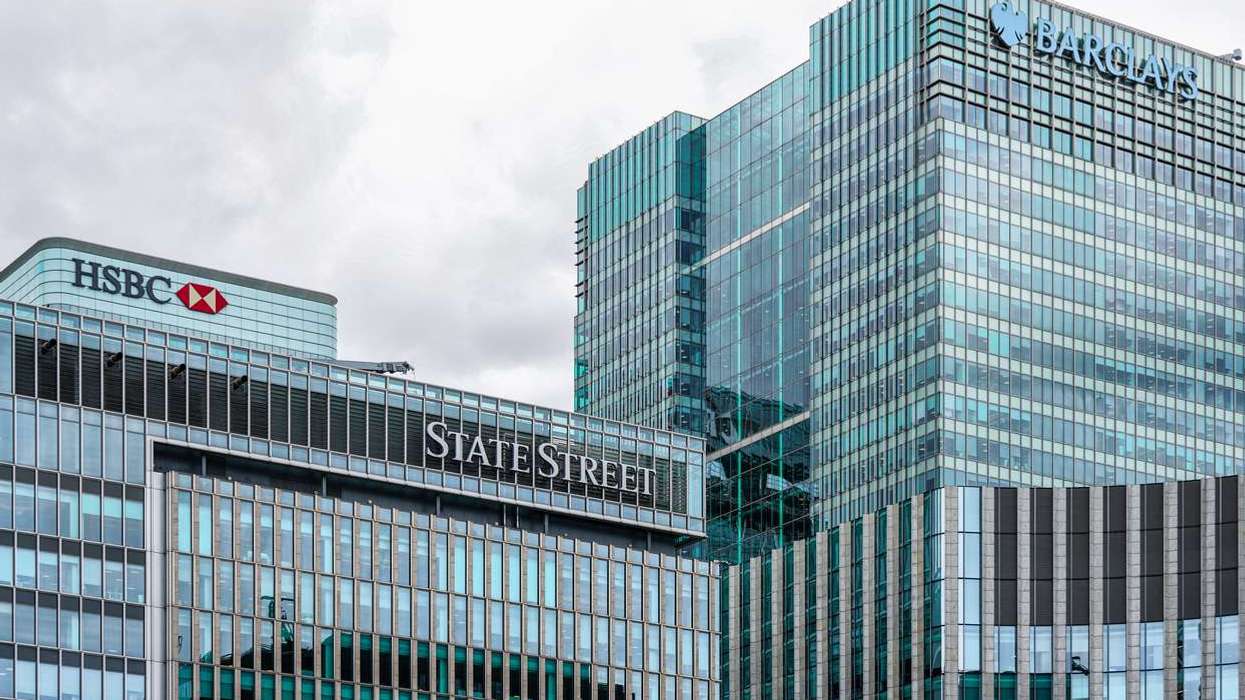

- More than £7 billion was wiped off leading London financial stocks.
- HSBC, Standard Chartered and Prudential all suffered sharp share price falls.
- Investors fear tighter Chinese capital controls could slow overseas financial activity.
More than £7 billion was wiped from the value of some of London's biggest financial companies after reports that China is tightening restrictions on money flowing overseas, raising concerns about the future growth prospects of firms heavily exposed to Chinese customers.
The sell-off hit several Asia-focused financial stocks, underlining how closely parts of the London market remain tied to policy decisions made in Beijing. Investors reacted to reports that mainland Chinese residents are facing tougher barriers when trying to open offshore investment accounts in Hong Kong, a move seen as part of China's wider effort to stem capital outflows and support its domestic financial markets.
Beijing's crackdown rattles investors
Shares in HSBC fell 1.8 per cent, while Standard Chartered dropped 2.8 per cent. Prudential, which generates a significant share of its business in China and across Asia, suffered the steepest decline, falling 7.6 per cent.
The losses followed reports that the Shanghai branch of Bank of East Asia had suspended the opening of overseas investment accounts. According to reports, two other Chinese banks have taken similar steps.
A spokesperson for Bank of East Asia reportedly said the lender was "following the latest guidelines from relevant regulators to ensure that the account-opening process is compliant and efficient".
According to previous reports, HSBC and its subsidiary Hang Seng Bank had asked customers opening investment accounts to declare that their funds originated outside mainland China. Bank of China Hong Kong has also reportedly increased scrutiny of customers regarding the source of their funds.
Hong Kong has long served as a gateway for Chinese investors seeking access to global markets because its financial system operates with fewer restrictions than mainland China.
The battle against capital flight
The tougher controls appear to be part of Beijing's broader campaign to slow capital flight after an estimated $1 trillion (£740 billion) left the country last year as economic growth weakened and investors looked for opportunities elsewhere.
Large-scale capital outflows can create pressure on a country's currency, reduce domestic investment and complicate efforts to stabilise economic growth.
For London-listed financial groups, the concern is not simply the latest regulatory change but what it could mean for future business. HSBC, Standard Chartered and Prudential have spent years expanding their presence across Asia to capture growing demand for banking, investment and insurance products from China's expanding middle class.
Analysts, however, suggested the immediate impact may be limited. Philip Kett, an analyst at Jefferies, reportedly said the measures appeared aimed at enforcing existing regulations rather than fundamentally disrupting the financial system.
He reportedly added that restrictions on investment accounts could even encourage some customers to place money into life insurance products instead, potentially benefiting insurers such as Prudential. However, he cautioned that some investors may choose to stay on the sidelines altogether if they fear falling foul of the rules.
The market reaction highlighted the delicate balance facing investors in companies with significant exposure to China. While the country's vast consumer market continues to offer growth opportunities, sudden regulatory changes can quickly alter sentiment.
The latest episode also comes as the UK government seeks closer economic engagement with China, even as businesses and investors continue to navigate a regulatory environment that can differ sharply from Western markets.
For shareholders, the long-term appeal of China's financial sector remains intact. Yet the sharp market reaction suggests investors remain highly sensitive to any sign that Beijing may be tightening its grip on the flow of money beyond its borders.