
Highlights
- Charli XCX says the pressure to be "the right type of good" inspired themes on her latest album.
- Music, Fashion, Film examines internet culture, celebrity expectations and personal identity.
- Songs including SS26, Wink Wink and I'm Afraid reflect on life after the success of Brat.
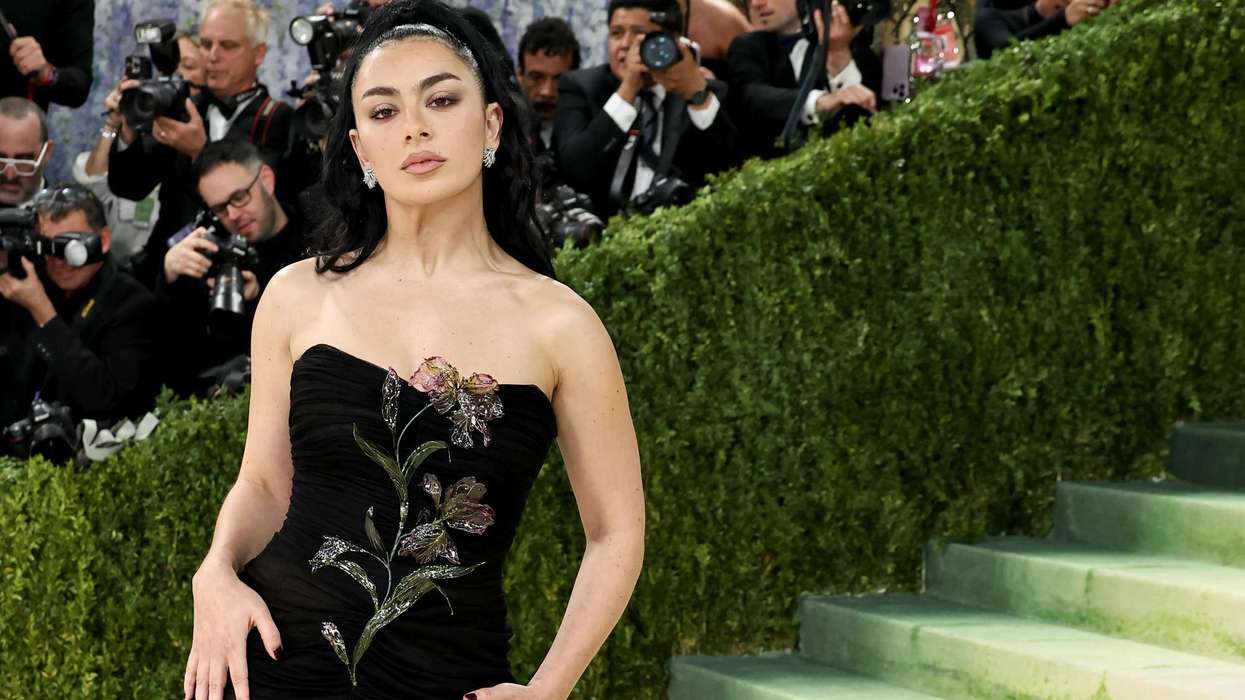
Charli XCX has returned with Music, Fashion, Film, but rather than trying to recreate the success of Brat, the singer has used her latest album to question the expectations placed on modern pop stars.
Across the 11-track record, Charli explores how internet culture, public scrutiny and commercial success can shape an artist's identity. Instead of presenting herself as flawless, she leans into uncertainty, contradiction and vulnerability, making the album less about following Brat and more about responding to everything that came after it.
Questioning the pressure to be 'the right type of good'
One of the album's central ideas is the growing expectation that celebrities should always express the correct opinions and present themselves as morally impeccable.
Speaking about the inspiration behind the songs, Charli said she has found herself reflecting on the demands placed on public figures in the age of social media.
"If you're on the internet, there's this feeling like you need to be on the right side of every single conversation," she said. "You can't just be good. You have to be the right type of good, in a specific way."
She added that failing to meet those expectations often leads people to assume "you had a sinister motive this entire time", describing the experience as a driving force behind the album.
That frustration is most evident in SS26, where Charli uses irony to examine the carefully managed image expected of pop stars.
The lyrics reference public apologies, abandoning old habits and even treating politics as part of a media strategy, highlighting what she sees as the increasingly performative nature of celebrity culture.
Rather than offering straightforward commentary, the song uses humour and sarcasm to question why artists are expected to become moral role models instead of simply creating music.
Success has not erased self-doubt
While Brat elevated Charli to a new level of commercial and cultural recognition, Music, Fashion, Film suggests success has brought its own uncertainties.
In Wink Wink, she contrasts signs of maturity with the admission that appearances can be deceptive, hinting that the polished public image is, at least in part, a performance.
The album becomes even more personal in I'm Afraid, where Charli reflects on her engagement to George Daniel. Instead of portraying the milestone as uncomplicated happiness, the song explores fears about identity, commitment and whether personal change means losing part of herself.
Moving beyond the shadow of Brat
Charli has been clear that she never intended to make Brat again. She said creating another dance-heavy record would have felt forced and emotionally untrue.
Instead, Music, Fashion, Film embraces a different sound while continuing to explore the themes that have long defined her songwriting. Guitar-led arrangements replace much of the club-focused production, but the album's biggest shift is lyrical rather than musical.
Rather than chasing another cultural phenomenon, Charli uses the record to examine what happens after reaching the peak of mainstream success. In doing so, she turns the conversation away from chart expectations and towards the pressures of fame, presenting an album that challenges the idea that pop stars must always appear certain, polished and perfect.