
ONE of the largest charitable trusts in Britain has decided to dismiss its entire board as part of a comprehensive effort to enhance diversity and prioritise "social justice and anti-racism" in its mission, The Telegraph reported.
The Tudor Trust, with a substantial £288 million endowment, has been led by a family-dominated board for decades.
The trust was established in 1955 with the support of Sir Godfrey Mitchell, the founder of George Wimpey construction company.
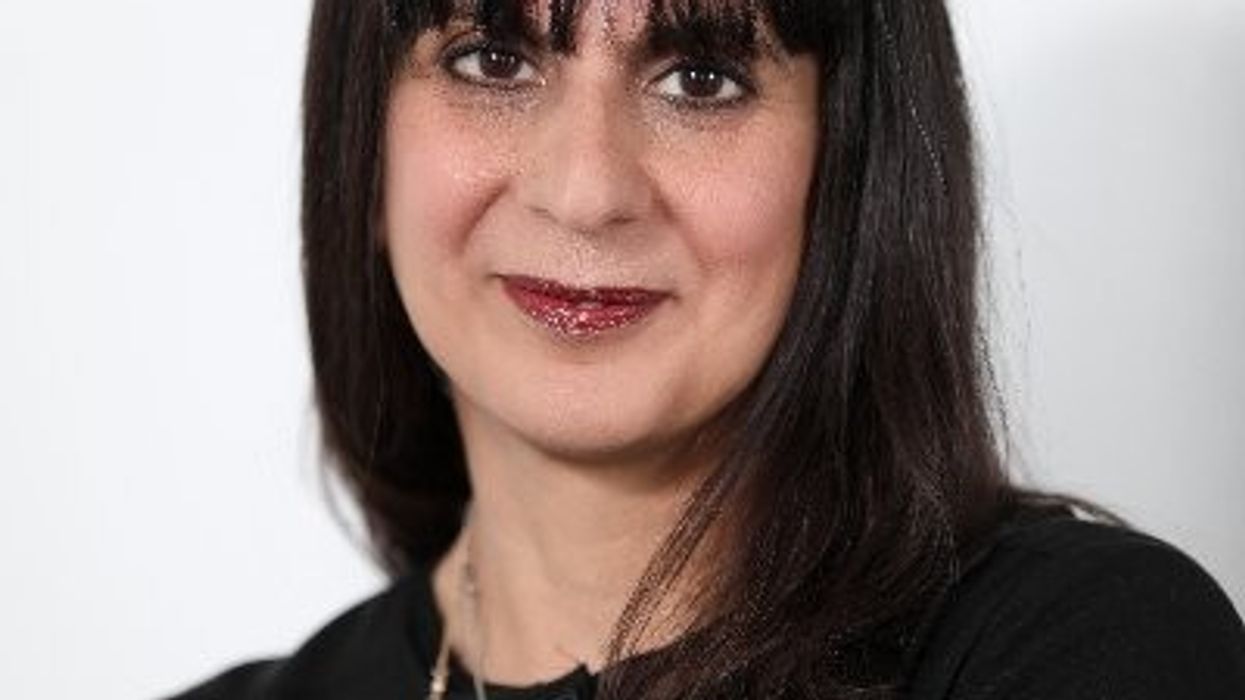
In an unprecedented move, the interim chair, Raji Hunjan, is spearheading what she terms as a "wholesale change" to transition towards a more diverse and representative governance structure.
The decision comes after an internal "anti-racist review" initiated by the trust, reflecting a commitment to better understand the historical context of racism.
The trust, which allocates approximately £20m annually through charitable grants, aims to complete the restructuring by August 2024.
According to the report, Hunjan was appointed in June to oversee the transition. She envisions a board that mirrors the demographics and lived experiences of the communities the trust serves.
The restructuring process involves the appointment of new trustees and a permanent chair to replace the existing family-led board.
To facilitate this transformative change, the trust has enlisted the services of Cadence Partners, a diversity and inclusion consultancy known for its expertise in inclusive recruitment.
The consultancy, whose clientele includes organisations like the Trussell Trust and the RSPCA, emphasises building talent pipelines for various minority groups.
External experts, including the co-founder of the Power & Integrity project, have been consulted in the search for the new board. The project focuses on dismantling societal norms rooted in colonialism, patriarchy, and racism.
The trust's commitment to racial justice was underscored in its November 2020 'Racial Justice Statement,' responding to the disproportionate impact of the Covid-19 pandemic on minority communities and the global Black Lives Matter protests.
The acknowledgment of the "white and privileged" profile of the existing board laid the groundwork for the subsequent decision to diversify.
As part of its funding initiatives, the Tudor Trust supports various charitable organisations, including a self-help charity in Glasgow led by and for racialised women and a community interest company in Leeds employing a gendered approach to establishing and supporting user-led support groups.
The restructuring process has not been without challenges, as evidenced by the departure of key figures such as Christopher Graves, who served as executive director for 38 years, and the temporary suspension of grant applications to focus on internal racial justice initiatives.
In March 2022, Shilpa Shah stepped down as a trustee to become an independent facilitator in the "reimagining" process of the firm. Working with the head of finance, Aabida Mohmed, she leads the Tudor Trust's "Racial Justice Organising Group," focusing on creating methods to enhance the well-being of colleagues who have experienced racialisation.
Despite some concerns about potential political influences on grant-making decisions, the Tudor Trust remains resolute in its commitment to a "step change" in its mission.
A spokesperson for the trust emphasised that the evolution involves a thorough review of giving priorities to align with the contemporary needs of the grantee community.
“As part of that planned evolution, the trustees resolved to refresh the board with the objective of making it more representative of the demographics and lived experiences of the communities we serve. We’re immensely grateful to all our trustees who helped us reach this stage in our journey and wish all those who decided to take this opportunity to pass on the baton all the best for the future," the spokesperson was quoted as saying.