By Amit Roy
IT IS easy to sympathise with the Pulitzer prizewinning American journalist, Isabel Wilkinson, who has drawn lessons for the US from her personal experiences outlined in her book, Caste: The Lies That Divide Us (Allen Lane, £20).
On one occasion, when she went to interview a shop owner in Chicago’s Magnificent Mile, the city’s premier commercial district, she was told to leave because he was “preparing for an important appointment with The New York Times”.
This anecdote reminds me of a black colleague whom I won’t name but we sat opposite each other for a number of years. On one occasion he, too, went to interview someone who rang the office after waiting for a while to complain: “There’s no one here.” All the while, the reporter was standing next to him.
After the Black Lives Matter movement became active again in America following the killing of George Floyd, I did wonder whether the race divisions in the country were so deep that the only solution was a partition of the US to create a separate land for African Americans.
Although this is a little far-fetched, Wilkinson has likened the cracks in American society to the caste divisions in India: “Caste is more than rank, it is a state of mind that holds everyone captive, the dominant imprisoned in an illusion of their own entitlement, the subordinate trapped in the purgatory of someone else’s definition of who they should be.”










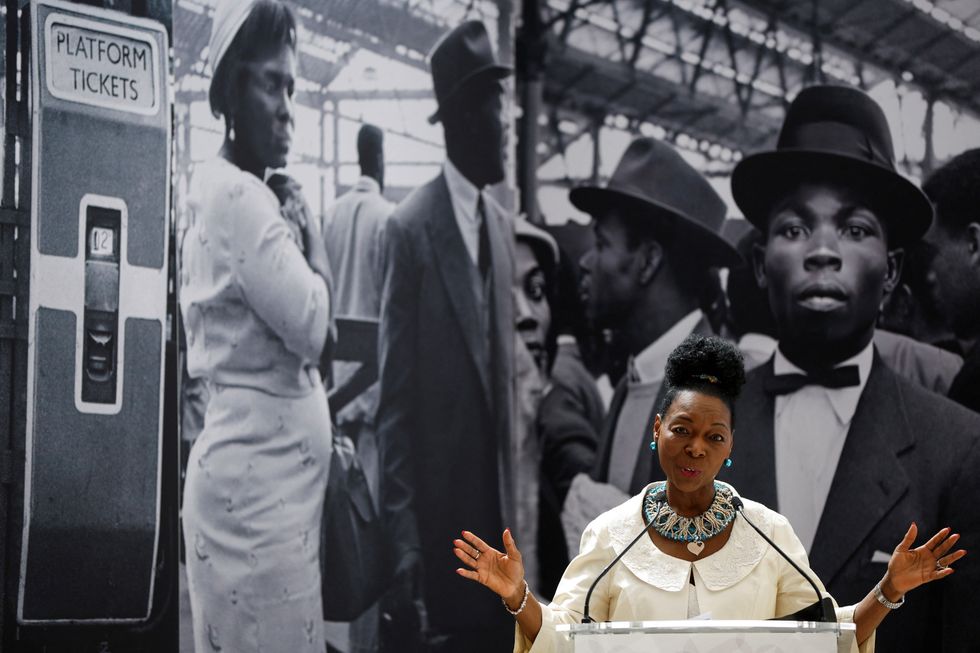 LONDON, ENGLAND - JUNE 22: Baroness Floella Benjamin speaks during the unveiling of the National Windrush Monument at Waterloo Station on June 22, 2022 in London, England. The photograph in the background is by Howard Grey. (Photo by John Sibley - WPA Pool/Getty Images)

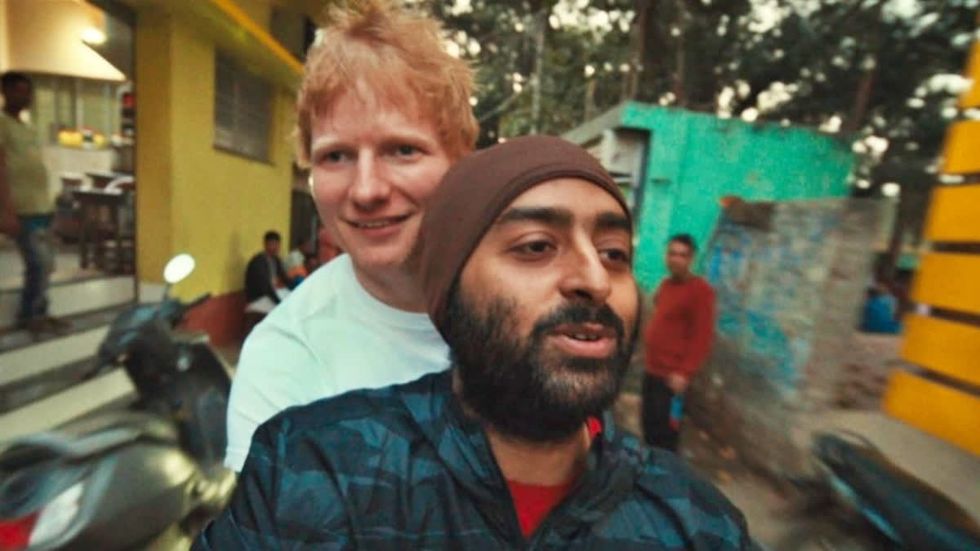 Ed Sheeran and Arijit Singh
 Aziz Ansari’s Hollywood comedy ‘Good Fortune’
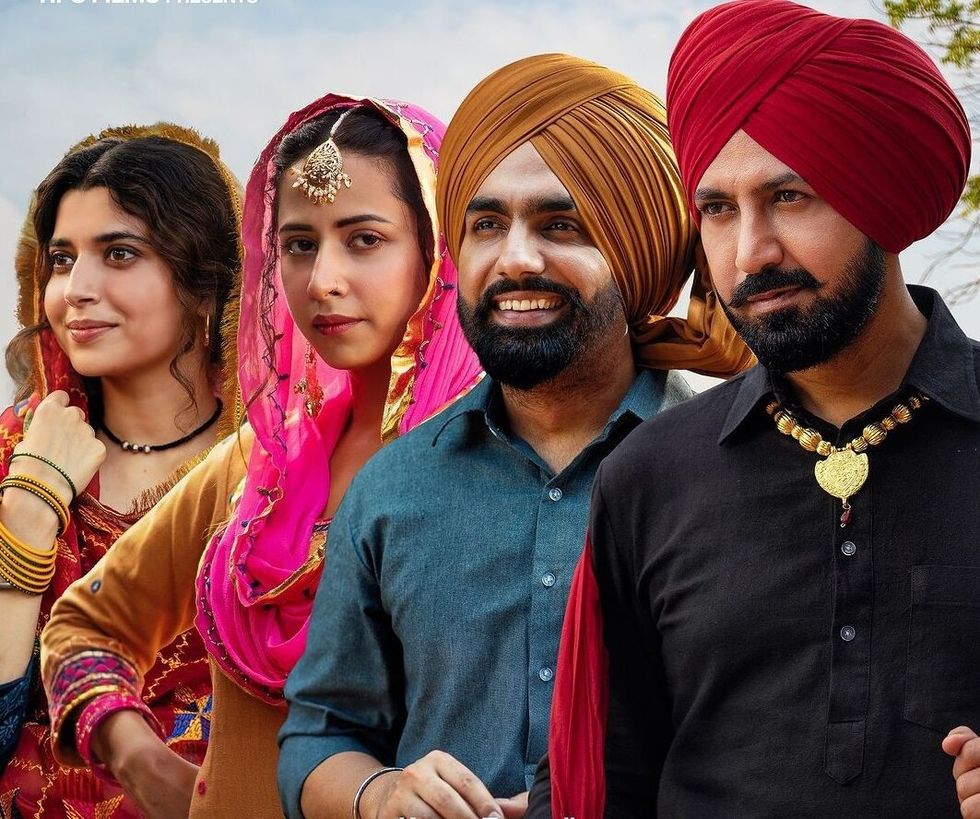 Punjabi cinema’s power-packed star cast returns in ‘Sarbala Ji’
 Mahira Khan
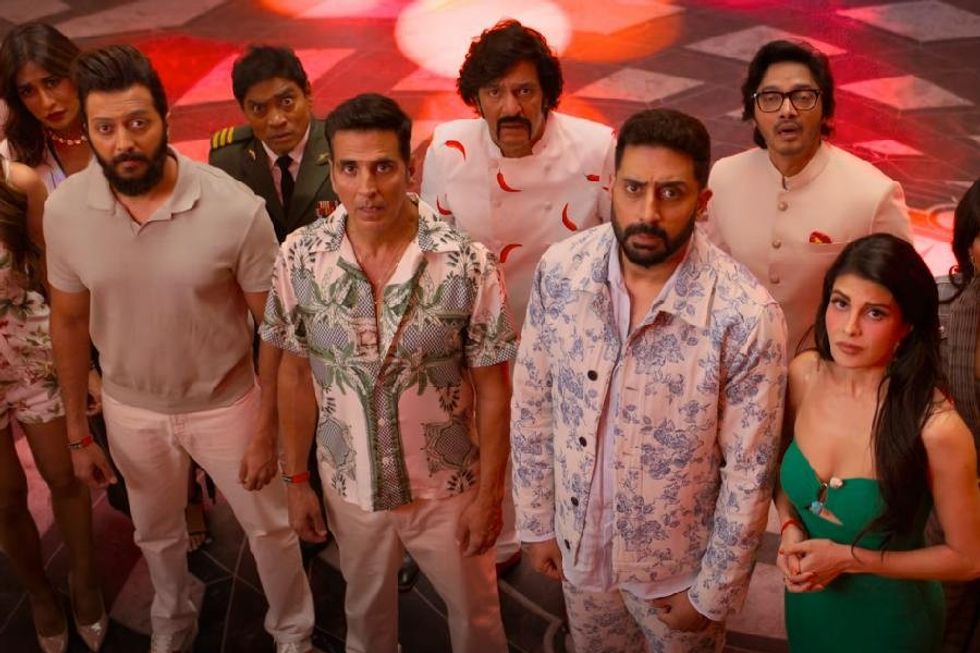 ‘Housefull 5’ proves Bollywood is trolling its own audience
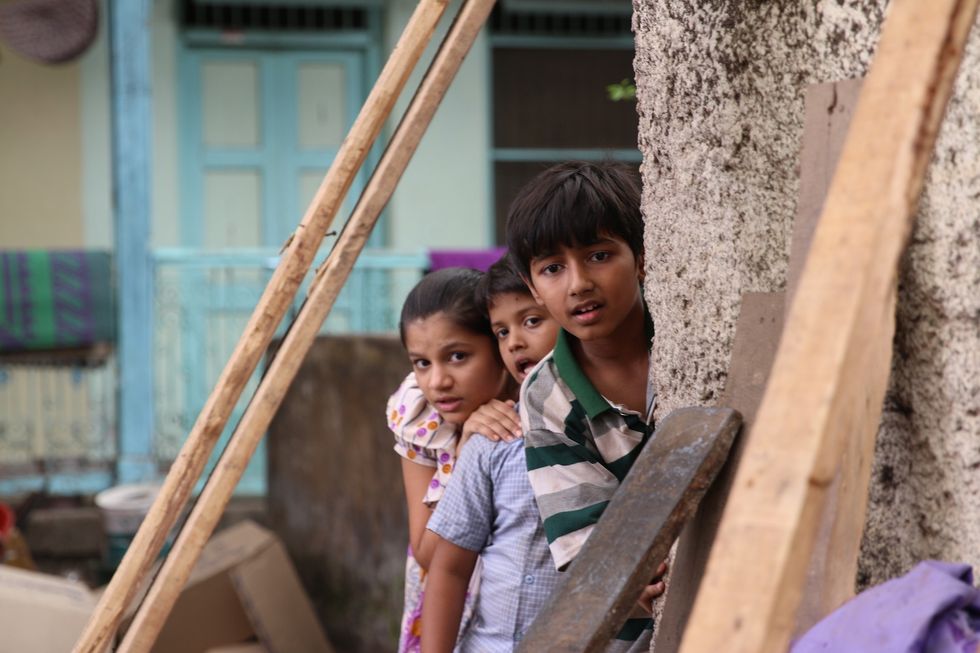 Brilliant indie film ‘Chidiya’
  John Abraham
 Hina Khan and her long-term partner Rocky Jaiswal
 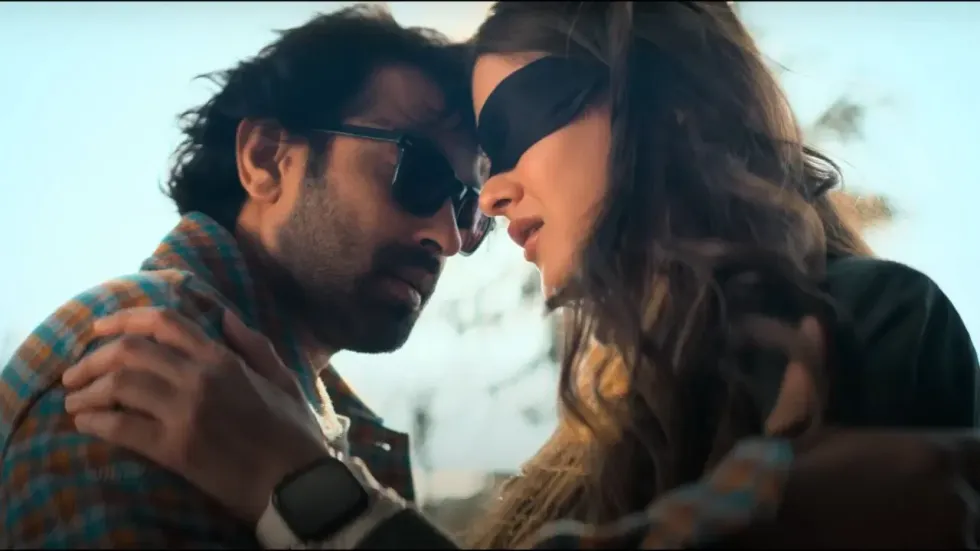 Shanaya Kapoor's troubled debut
 Sana Yousuf