Skip to content
Search

Latest Stories

Submit Guest Post

buses to have panic button

PANIC buttons will have to be fitted on all India’s public buses to curb sex attacks on women, the transport minister said last Wednesday (25).

The transport ministry said it would issue a formal order this week making the emergency measures on public buses mandatory.


“To ensure the safety of women after the unfortunate incident, we have decided to make it mandatory for public transport buses to install emergency panic buttons, CCTV cameras and GPS-enabled vehicle tracking devices,” Nitin Gadkari said in New Delhi.

He was referring to the brutal gang rape of a student in December 2012 as she returned home from the cinema with a friend.

Rajasthan is the first state in India to have such buses, with 20 vehicles fitted with the new safety measures

Panic buttons are placed above the front doors which, when pressed, send an emergency message to a police control room. They can then view live foot- age of the bus interior..


Add EasternEye As Your Trusted Source
preferred source on google news

More For You

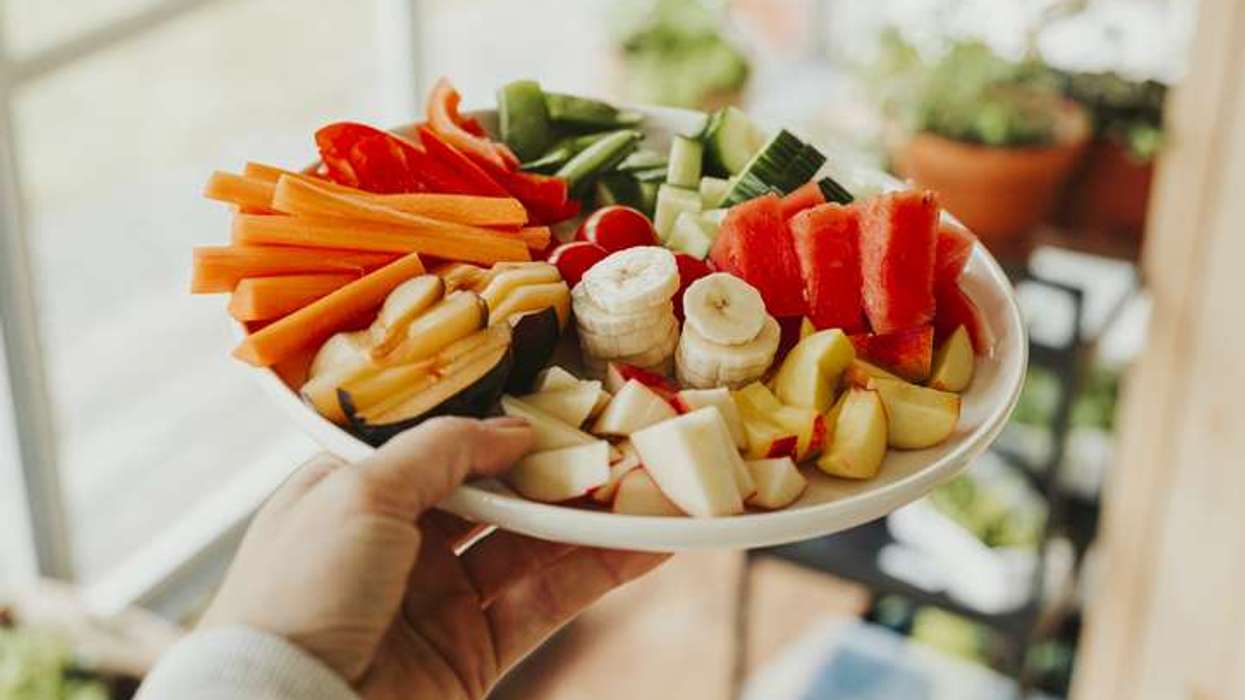
Fruits and vegetables

Britain’s reliance on imported fruit and vegetables could make food prices more vulnerable to climate shocks

iStock

Britain’s fruit bowl could be at risk as climate change hits the countries it relies on

  • Around 40 per cent of Britain’s food is imported, including 80 per cent of its fruit.
  • The UK is already seeing domestic crops affected by heatwaves, drought and wildfires.
  • Researchers warn climate pressures could make fresh food more expensive and harder to secure.

Britain is increasingly exposed to that risk because it relies heavily on imported fruit and vegetables, including from countries that are themselves facing growing pressure from rising temperatures, drought and extreme weather.

Around 40 per cent of the UK's food is imported, according to a new report from the Food Foundation. The figure rises to 80 per cent for fruit and 47 per cent for vegetables, leaving Britain particularly dependent on overseas growers for some of the fresh foods people buy most often.

Keep ReadingShow less