Skip to content
Search

Latest Stories

Submit Guest Post

British lead on UK-India FTA deal, Harjinder Kang, takes on new role in Mumbai

British lead on UK-India FTA deal, Harjinder Kang, takes on new role in Mumbai

BRITAIN has appointed an India-born healthcare leader as the country’s trade commissioner for south Asia and deputy high commissioner for western India.

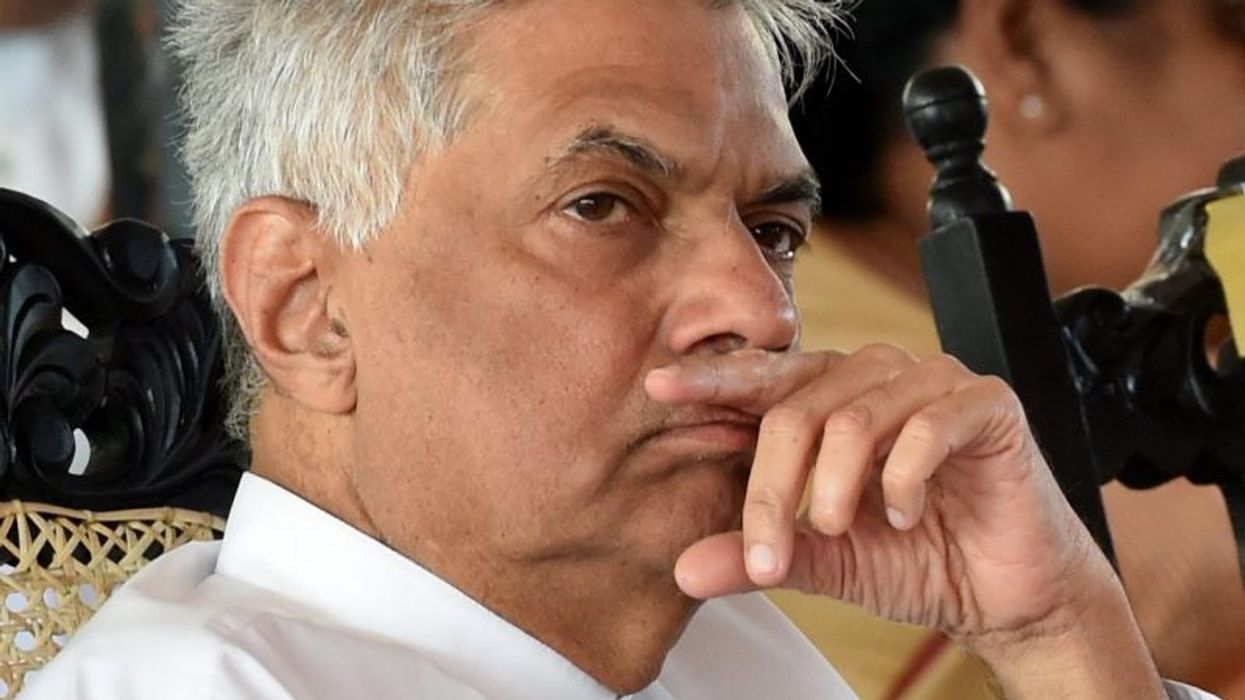
Harjinder Kang, who will be based in Mumbai, said he is committed to “fostering a strong relationship between the UK and south Asia.”


In his new role, he will oversee the UK Department for Business and Trade’s work in India, Bangladesh, Nepal, Sri Lanka and the Maldives.

As the deputy high commissioner for western India, he will represent the British government’s interests in Goa, Maharashtra and Madhya Pradesh states.

Prior to his appointment on Wednesday (3), Kang was Britain’s chief negotiator for the UK-India Free Trade Agreement (FTA).

He served as the director for trade policy in the areas of intellectual property, government procurement and core text and previously worked as the director for healthcare, life sciences and bio-economy in the Department for International Trade.

Kang attended Harvard Business School and Warwick Business School.

Prior to joining the government, he spent 27 years with the pharmaceutical company AstraZeneca. He joined the firm as a chemist and went on to become its global commercial director.

Born in the north Indian city of Jalandhar, he moved to the UK along with his parents when he was aged three. Kang is married and has three children.

“We are excited to welcome @harjinderkangUK as the new Deputy High Commissioner for Western India & His Majesty's Trade Commissioner for South Asia. Harjinder succeeds @alangemmell and starts in his new role today from #Mumbai,” the British Deputy High Commission in Mumbai tweeted on Wednesday.


Add EasternEye As Your Trusted Source
preferred source on google news

More For You

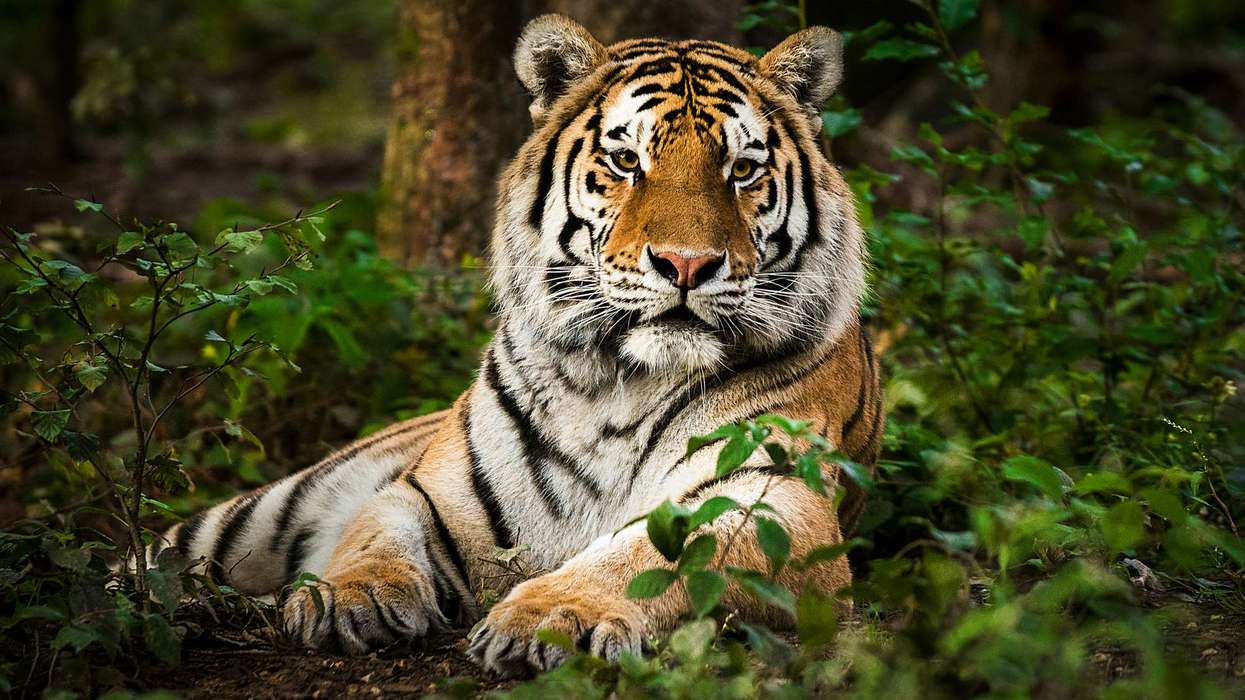
6 reasons there is an increase in tiger attacks in the last three years in India

These incidents reflect the growing challenge of managing encounters between people and tigers in India. Official figures cited in a India's Lok Sabha answer on 3 August 2026 recorded 74 deaths from tiger attacks in 2024 and 71 in 2025.

6 reasons there is an increase in tiger attacks in the last three years in India

Highlights:

  • India recorded 74 tiger-attack deaths in 2024 and 71 in 2025.
  • Habitat loss and growing tiger populations are pushing animals closer to human settlements.
  • Farmers, cattle grazers and villagers collecting forest produce face significant risks.
  • Crowds filming tigers can make encounters more dangerous, as incidents at Bandhavgarh and Ranthambore show.
  • Better habitat management, early warnings and responsible wildlife tourism could help reduce human–tiger conflict.

  • The fatal tiger attack at Yorkshire Wildlife Park in Doncaster has highlighted the dangers of close encounters with one of the world’s most powerful predators. The incident has also raised questions about human behaviour around wild animals and the risks of entering their space. While such incidents involving visitors are relatively rare, the threat of human–tiger conflict is a far more frequent concern in India, where dozens of people are killed by tiger attacks every year.

    Keep ReadingShow less