BRITAIN's economy shrank by a record 5.8 per cent in March as the coronavirus crisis escalated and the government shut down much of the country, according to official data that point towards an even bigger hit to come.
The monthly drop in gross domestic product was felt in almost all sectors -- from the country's shuttered restaurants and bars to its building sites and factories -- and was the largest since comparable records began in 1997.
"The sharp contraction in UK Q1 GDP comes as little surprise, but does clearly highlight the magnitude of the challenge facing policymakers," JP Morgan market strategist Hugh Gimber said.
In the first three months of the year, GDP contracted by 2 per cent from the last three months of 2019, the biggest drop since the depths of the financial crisis in late 2008, the Office for National Statistics said on Wednesday (13).
The Bank of England said last week that the contraction of the economy in the April-June period could approach 25 per cent and lead to the largest annual decline in more than three centuries.
British two-year government bond yields sank to a record low of -0.045 per cent after the data, reinforcing expectations that the Bank of England will ramp up its record £645 billion of asset purchases next month.
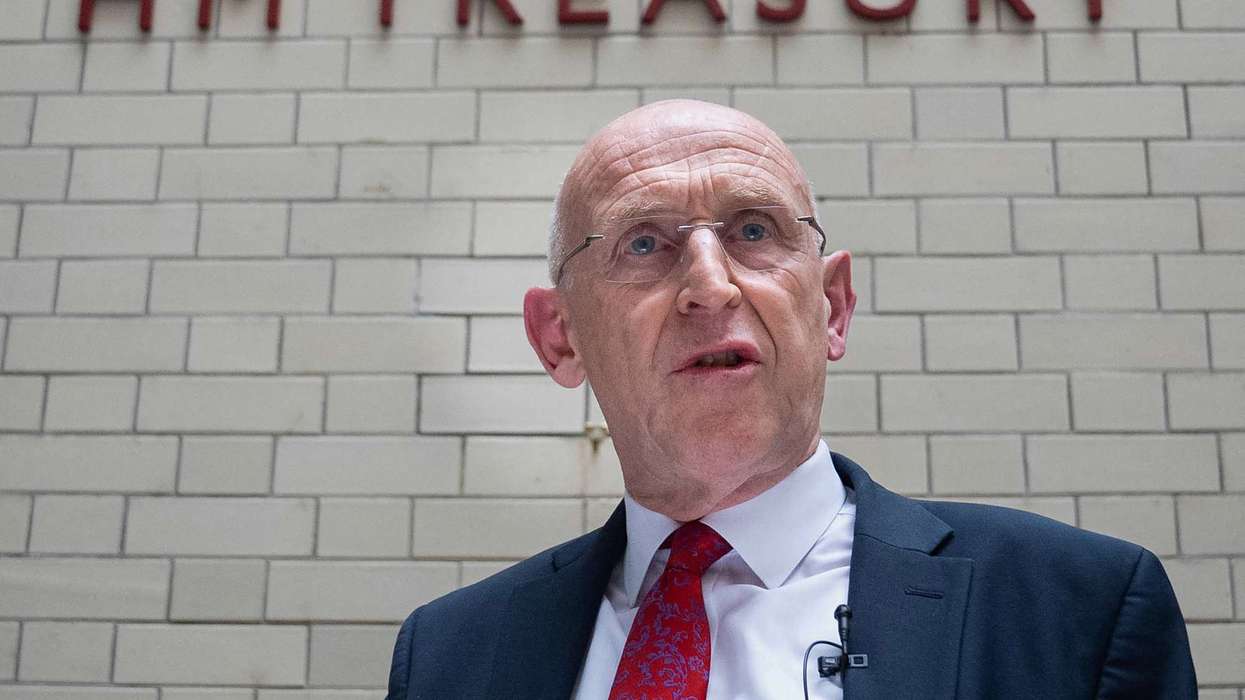
Chancellor Rishi Sunak said Britain was now in the midst of a significant recession.
"We have to support people's jobs, their incomes, livelihoods at this time, and support businesses so we can get through this period of severe disruption and emerge stronger on the other side," he said after the GDP data.
A newspaper said on Tuesday that finance ministry officials have warned Sunak the budget deficit could swell to a record £337 billion this year from just £55 billion forecast in March.
On Tuesday, Britain's government extended a costly job support programme for another four months, though businesses will need to pick up more of the tab from August.
DELAYED LOCKDOWN
The decline in first-quarter GDP was slightly smaller than economists had forecast in a recent poll, and less than the 3.8 per cent slump suffered by the euro zone in the first quarter. But Britain only started its lockdown on March 23, later than many other euro zone countries.
COVID-19 has killed more than 40,000 people in the United Kingdom, the highest death toll reported in Europe so far.
Economists said output appeared to have fallen around a fifth after the lockdown came into force.
Separate data from the British Retail Consortium trade body showed retail spending dropped almost a fifth in April. Barclaycard said consumer spending had dropped more than a third.
Wednesday's ONS figures showed household consumption fell by 1.8% in the first quarter, the most since 2008.
The BoE said last week the economy could rebound if coronavirus restrictions are lifted, pencilling in a 15 per cent recovery after a historic 14 per cent fall in GDP for 2020 as a whole.
But it warned recovery might be slower, especially if consumers prove cautious about returning to their normal lives, a view shared by many economists.
"The UK's economic engine will be much harder to kickstart than it was to stall," Rabobank economist Stefan Koopman said.
"Talk of a V-shaped recovery feels like wishful thinking, and we expect prolonged periods of depressed growth across the majority of the economy. A flatter, U-shaped recovery is more likely," he said.