
Skip to content
Search

Latest Stories

Britain is investigating variant originating in India

Britain is investigating variant originating in India

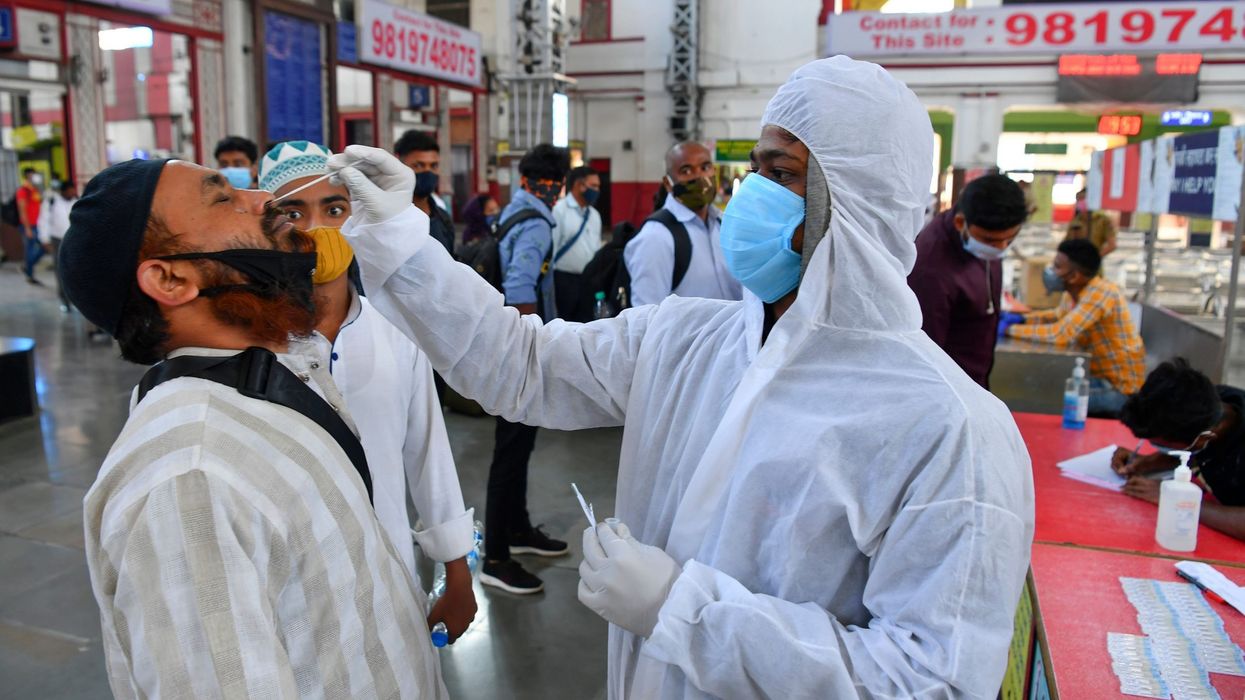
British health officials are investigating a COVID-19 variant originating in India but as yet they do not have enough evidence to classify it is as a variant of concern, Susan Hopkins of Public Health England (PHE) said on Sunday.

Speaking on the Andrew Marr Show on BBC television, Hopkins said: "We have not got enough data about this variant yet to be able to clarify whether it's a variant of concern. We have put it as a variant under investigation."


"To escalate it up the ranking we need to know that it's increased transmissibility, increased severity, or vaccine-evading, and we just don't have that yet, but we're looking at the data on a daily basis."

PHE has said it has identified 77 cases of the variant in Britain.

Earlier, environment minister George Eustice said prime minister Boris Johnson's trip to India later this month should go ahead despite rising cases in the country.

"It is important that business and the business of politics if you like does continue," he said, adding that an expert committee periodically reviews decisions about whether to permit travel to certain countries.


More For You

Minorities in England face 'lower prescribing rates for diabetes tech'

The disparity is particularly concerning as approximately 5.8 m people across the UK live with diabetes

iStock

Minorities in England face 'lower prescribing rates for diabetes tech'

Highlights

  • Ethnic minorities are less likely to receive continuous glucose monitors despite having higher diabetes rates.
  • People from minority backgrounds make up 17.5 per cent of populations in areas with below-average device prescribing.
  • Ethnicity and deprivation account for up to 77 per cent of variance in diabetes technology prescribing.

People from ethnic minority backgrounds in England have significantly less access to vital diabetes technology, despite being at greater risk of developing the condition, according to groundbreaking research.

The study, published in Diabetic Medicine, reveals that black and south Asian communities face significantly lower prescribing rates for continuous glucose monitors (CGMs) – devices that help people manage their blood glucose levels more effectively than traditional finger-prick tests.

Keep ReadingShow less