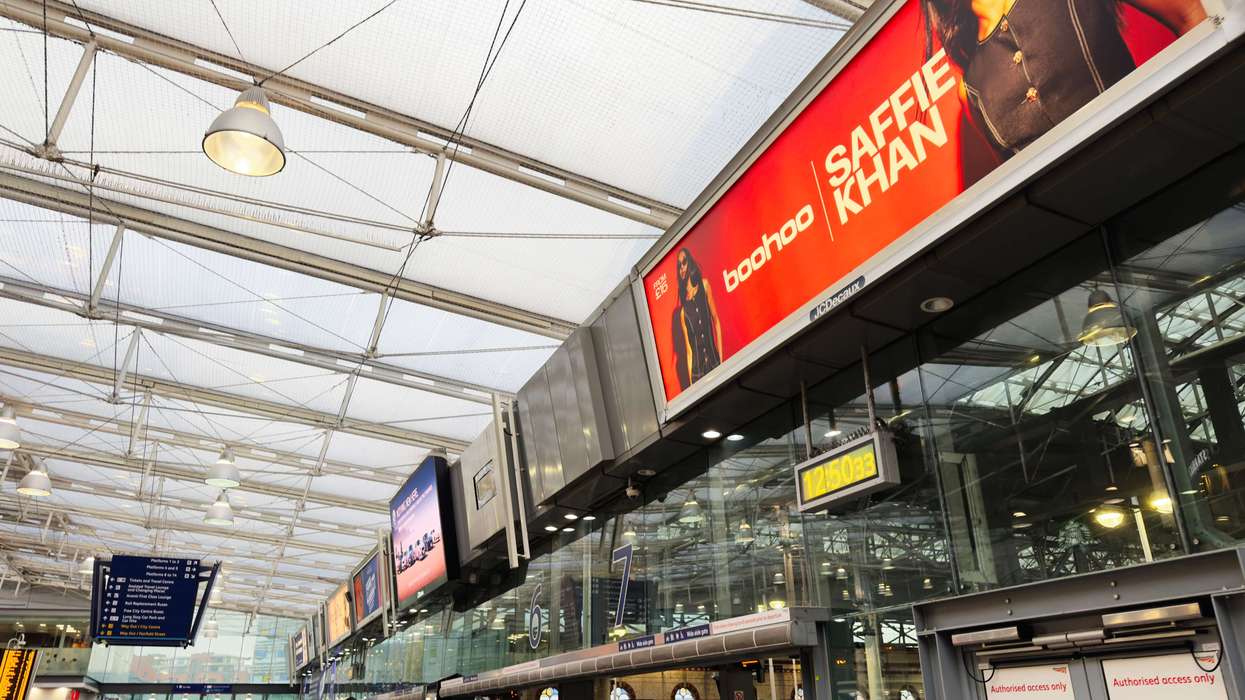

- High Court claim alleges Mahmud Kamani was aware of unsafe factory conditions.
- Investors are seeking £177m plus interest in compensation.
- Boohoo says it “strongly contests” the allegations.
The co-founder of Boohoo was likely aware of “terrible, unsafe and unsanitary conditions” at Leicester factories supplying the retailer before the scandal erupted in 2020, the High Court has been told.
Mahmud Kamani, who launched the fast-fashion group in 2006, probably knew workers were being underpaid and subjected to “arbitrary abuse and humiliation”, according to a lawsuit brought by investors.
“It is not, the claimants say, credible that Mr Kamani was unaware of the conditions in which those factories were being operated,” the court filing states, as quoted in a news report.
Boohoo denies that its board had such knowledge. The claimants argue those denials are “not convincing”, according to the legal documents.
Share crash at the centre of the claim
The allegations form part of a wider £177m claim, plus interest, brought by investors who argue they suffered losses when Boohoo’s share price plunged in 2020.
The company’s stock fell 42 per cent after media reports alleged that workers in Leicester factories supplying Boohoo were being paid significantly less than the minimum wage, with some reportedly earning as little as £3 an hour. Reports also described long hours, cramped conditions and poorly maintained buildings.
The controversy wiped more than £1bn off the company’s market value on London’s Alternative Investment Market.
Lawyers for the investors, from City firm Fox Williams, claim Mr Kamani had long-standing relationships with some of the Leicester suppliers. The court documents allege he attended social events with certain factory owners and visited some sites in person.
They are also seeking access to communications between Mr Kamani and his sons, Umar and Samir, who held senior roles within the business as heads of major brands. The filing argues he was “highly likely to have discussed relevant matters with his sons”, reportedly stating those exchanges could contain important information.
Family ties and supply chain questions
The lawsuit further points to the Kamani family’s 37 per cent shareholding in Boohoo at the time and suggests the listed company retained “vestiges and traits of a family business”.
It alleges that some Leicester suppliers had links to members of the wider Kamani family and that certain factories were introduced to Boohoo by Mr Kamani’s brother, Jalal, a former trading director.
Labour rights activists had previously claimed that some factory staff were expected to work while ill with Covid-19 during Leicester’s strict lockdown restrictions, though those claims are not the subject of findings in this case.
In response, lawyers for Boohoo, from Herbert Smith Freehills, said there was “no reasonable basis” to include members of the Kamani family other than Mahmud Kamani, noting that none of them held senior leadership positions at the retailer.
Boohoo said it “strongly contests the allegations and will vigorously defend any claim”.
Among the investors bringing the case is the California State Teachers’ Retirement System, or CalSTRS, which manages pensions worth more than £285bn ($390bn).
The case is expected to test what senior executives knew, and when, as scrutiny over supply chains and corporate oversight continues.