
FIFTY-ONE grassroots organisations across England and Wales have received a share of £600,000 in government funding to encourage blood and organ donations among black and Asian communities. The Community Grants Programme, led by NHS Blood and Transplant (NHSBT), supports initiatives to promote donation awareness and address health inequalities.
The shortage of black and Asian donors has led to challenges in treatment outcomes for patients from these backgrounds, who are more likely to find compatible matches within their own ethnic groups.
In the case of sickle cell—a condition more prevalent in Black African and Caribbean communities—NHSBT currently meets only half of the blood matching needs, requiring around 250 donations daily to treat these patients.
NHSBT’s Community Grants Programme focuses on community-led projects to increase engagement and support for donation, aiming to build a more diverse donor base. This year’s funding includes:
£300,000 for 23 blood donation projects
£125,000 for 11 living kidney donation projects
£125,000 for 10 deceased organ donation projects
Seven projects covering multiple types of donation
RAFFA International Development Agency, a Birmingham-based non-profit, is among the organisations receiving funding. RAFFA plans to use the grant for educational events and faith-based gatherings in the West Midlands, where Angela Clarke, CEO of RAFFA, emphasised the importance of these culturally relevant efforts. “Our project is designed to promote blood donation awareness and encourage participation within black African and Caribbean faith communities,” Clarke said, highlighting the group’s approach of providing information that is culturally specific and impactful.
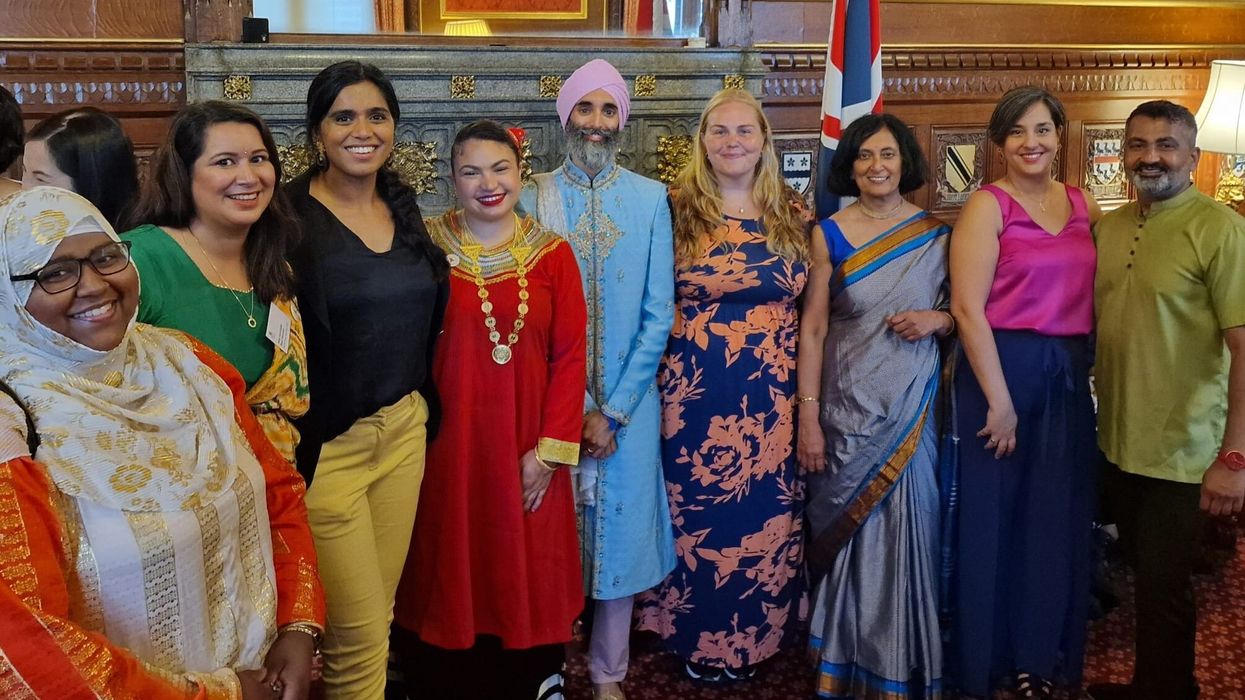
The South Asian Heritage Trust (SAHT) is also among the funded organisations, aiming to increase organ donation within South Asian communities by addressing myths and encouraging open conversations. During Organ Donation Week, SAHT held a Community Listening Circle, where participants shared their experiences, which SAHT sees as a first step towards breaking down taboos. “We learned so much about the lived experience around organ donation,” SAHT said in a statement, highlighting the importance of these discussions.
Umar Malik, NHSBT’s community funding manager, acknowledged the progress made but stressed the ongoing need for donations, especially among black sickle cell patients. “Projects like these are crucial to addressing inequalities and saving lives,” Malik said, noting that trusted community groups play a key role in tackling misinformation and encouraging family discussions about donation.