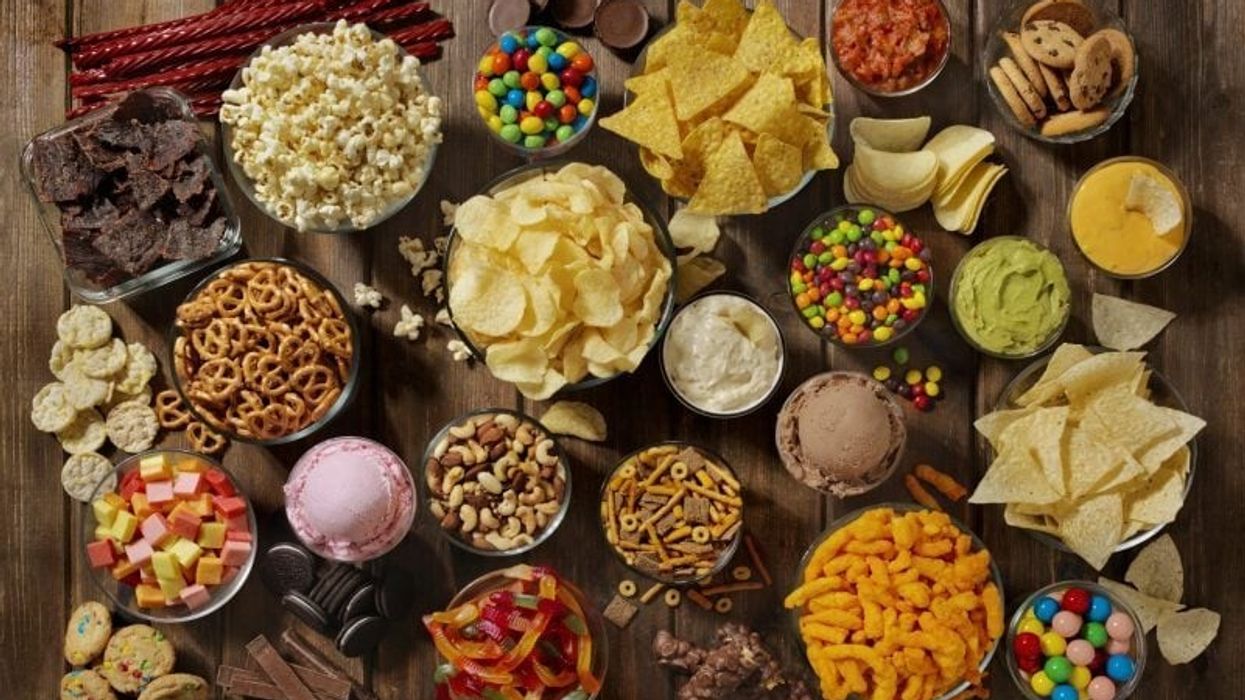

A latest, study suggests ultra-processed foods like biscuits, sweets, packaged snacks, fizzy drinks, and sausages may increase men’s risk of bowel cancer.
Researchers in the US examined data from three long-term health studies involving more than 46,000 men and almost 160,000 women.
The participants for the study were reportedly tracked for 24 to 28 years and during this time, 3,216 cases of bowel cancer were identified, the Daily Mail reports.
The researchers from Tufts University in Boston used data on cases and diets to determine the risk for bowel cancer. They reportedly assessed diet through food questionnaires, which were completed every four years by the participants.
It was found that ultra-processed foods, which includes commercial bread, cakes and biscuits; confectionary; margarine; and pre-processed ready-to-eat or (heat products) along with the foods mentioned earlier, were linked to a higher risk of bowel cancer.
The study also found that men who ate the most ultra-processed foods were (29%) more likely to have developed bowel cancer than those who ate the lowest amount. However, this link was not found among women.
But when the researchers looked at sub-groups of ultra-processed foods, they discovered that those women who consumed the highest quantities of ready meals had a (17%) increased risk of bowel cancer in comparison to those in the lowest consumption group.
Writing in the British Medical Journal (BMJ), the study’s authors reportedly said, “High consumption of total ultra-processed foods in men and certain subgroups of ultra-processed foods in men and women was associated with an increased risk of colorectal cancer.”
Meanwhile, the men who reportedly consumed the highest quantities of (ready meals) containing meat, poultry or seafood were found to be at a higher risk of bowel cancer.
The study also found that those men who drank the most, fizzy drinks laden with sugar were (21%) more likely to develop bowel cancer compared to those who drank the least amount of these drinks.
Additionally, researchers reportedly said that ultra-processed foods make up (57%) of total daily calories consumed by American adults, and this is supposedly increasing steadily over the last 20 years.
Among Britons, the most commonly eaten ultra-processed foods include commercial bread, pre-packaged meals, breakfast cereals, sausages and other reconstituted meat products, the Independent informs.
Some of the other popular foods common in British diets include confectionary, biscuits, pasties, buns and cakes, and industrial chips, as well as savoury snacks, soft drinks and fruit drinks.
In the UK, ultra-processed foods are foods that contain ingredients that would not normally be added when cooking homemade food. These include chemicals, colourings, sweeteners and preservatives.
According to the experts, those adults with the lowest quality diet and the highest-ultra-processed food consumption were more likely to have died during the follow-up period, compared to those who consumed better diets and ate the least ultra-processed foods.
The Independent states nearly 23,000 participants’ data was examined by the researchers, out of which 2,205 reportedly died during the follow-up period.