
THE head of the BBC has apologised to celebrity contestants who had negative experiences on its prime-time Strictly Come Dancing show, following a string of bullying allegations.
The programme -- exported to over 60 other countries through the "Dancing with the Stars" franchise -- is the jewel in the crown of BBC light entertainment.
But in recent months it has faced controversy after former contestant and actor Amanda Abbington, said the show's intense training routine left her with post-traumatic stress disorder (PTSD).
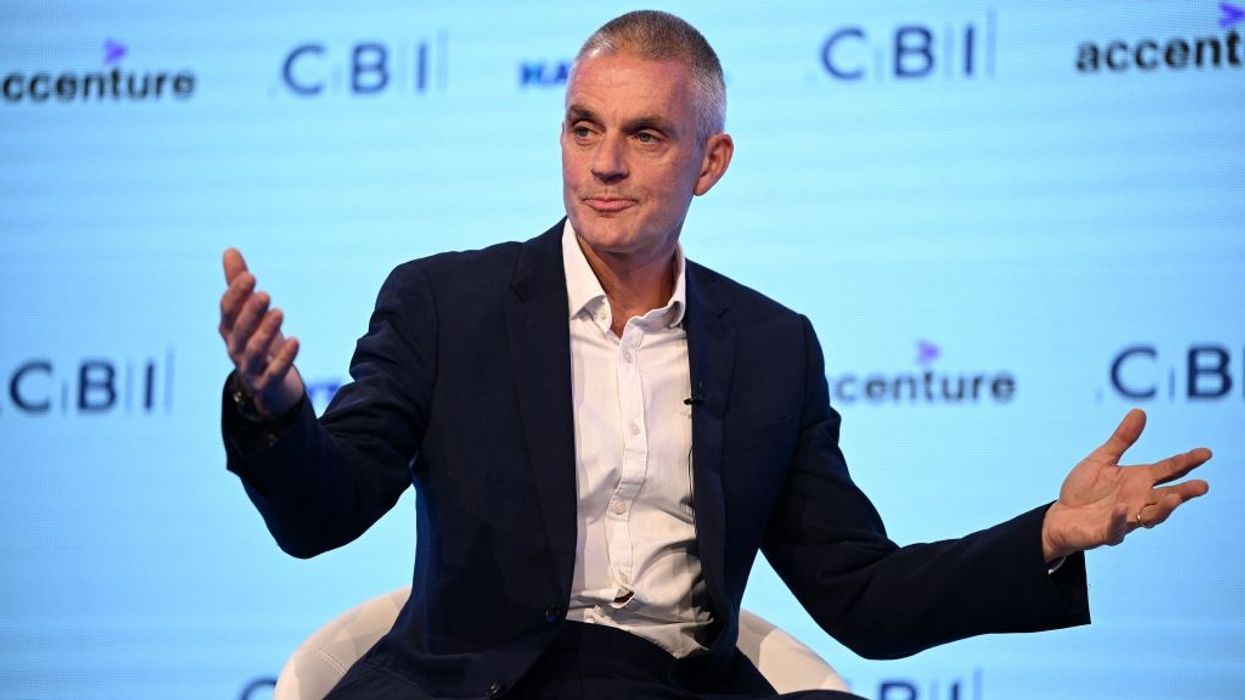
"I'm very sorry that anyone has had an experience on Strictly that hasn't been wholly positive," BBC director general Tim Davie told reporters on Tuesday (23), responding to the growing controversy.
"I think that is something we do reflect on, and I'm sorry about that," he said.
Sherlock star Abbington's complaint triggered other revelations and allegations against the show's professional dancers, plunging it into turmoil.
The programme, pairing celebrities with professional ballroom dancers, has captivated viewers for over 20 years, regularly drawing over 6.5 million viewers.
Couples perform dance routines scored by judges, pressuring the show's pros to quickly train their celebrity partners in little time.
Acknowledging the behind-the-scenes challenges, Davie said "competitiveness, hard work and the will to do well" were part of what made the show successful.
"But there are limits and the line should never be crossed. We will not tolerate unacceptable behaviour of any kind," he added.
Former contestant Will Bayley, a Paralympian table tennis player, on Monday (22) became the latest celebrity to speak out.
Bayley said he suffered serious injury while performing a jump in rehearsals and has claimed there was "no duty of care".
He said producers were told the jump from a table during a routine was too dangerous, but he was encouraged to do it anyway, and after he was injured show bosses made him feel as though it was his fault.
His torn knee ligaments forced him to pull out of the series in 2019.
One dancer, accused of physically mistreating a contestant, announced he was leaving the show earlier this month.
He apologised for his behaviour admitting that "my intense passion and determination to win might have affected my training regime".
Another dancer, who is not returning to the show, has said he is cooperating with an ongoing BBC investigation into complaints about him which he says will "determine the truth".
Davie refused to be drawn on individual allegations but pledged to listen to anyone who had had an unhappy experience.
"If someone feels there was something wrong... then, of course, we want them to raise that with us and be in no doubt, we will take it seriously."
(AFP)