
BANGLADESH has made remarkable progress in tackling malnutrition. But as Britain prepares to assume the G20 Presidency, the lessons from this South Asian success story – and the growing humanitarian emergency facing Rohingya refugees – demand urgent attention.
Our recent parliamentary delegation to Bangladesh offered a powerful reminder of what can be achieved when national leadership, international cooperation and local innovation come together to improve people's lives.
It also revealed how fragile that progress can be.
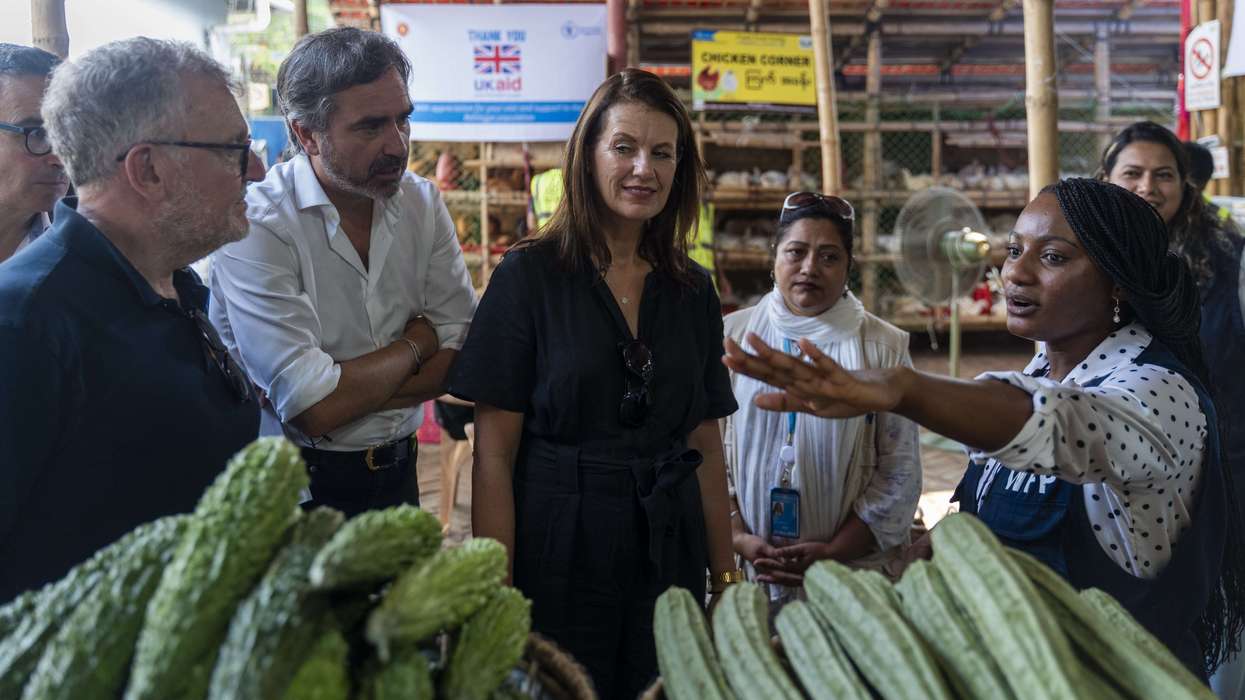
As members of the All-Party Parliamentary Group on Nutrition for Development, we visited programmes in Dhaka and Cox's Bazar, met government and international partners, and saw first-hand how Bangladesh is tackling some of the most persistent challenges in global health.
Our message to the UK Government is clear: nutrition must remain at the heart of Britain'sinternational development priorities, even as aid budgets tighten and our relationship with Bangladesh evolves towards one increasingly based on investment, expertise and mutual partnership.
Bangladesh deserves recognition for the substantial progress it has made in reducing malnutrition. Government commitment, international partnerships and community-based initiatives have helped improve nutritional outcomes.
Yet serious challenges remain. Child wasting – a dangerous form of acute malnutrition – continues to threaten children's lives. Maternal anaemia and deficiencies in essential vitamins and minerals also remain widespread concerns, compounded by poverty and climate-related shocks.
 David Mundell MPUK parliament
What impressed us was Bangladesh's determination to develop its own solutions.
The country is prioritising maternal nutrition, including expanding access to multiple micronutrient supplements that can improve the health of mothers and babies. Local manufacturers, researchers and community organisations are playing an increasingly important role in delivering affordable, sustainable interventions.
During visits to Renata Pharmaceuticals, Social Marketing Company and the internationally respected research institution icddr,b, we witnessed the capabilities that make Bangladesh an important partner in global health innovation.
These are not simply examples of successful development assistance. They demonstrate how investment in local expertise can build lasting national capacity.
One particularly promising initiative is the UK-funded Joint UN Initiative for the Prevention of Wasting, known as JUNIPr.
Working through international partnerships, including UNICEF, the World Food Programme and the World Health Organisation, this initiative represents an important shift in thinking: preventing children from becoming dangerously malnourished rather than waiting until they require emergency treatment.
By generating evidence about effective, affordable prevention, JUNIPr could offer lessons extending far beyond Bangladesh.
We also saw how nutrition programmes achieve greater impact when connected with healthcare, social protection and financial assistance.
Bangladesh's Mother and Child Benefit Programme demonstrates the value of this integrated approach. Such preventative services are essential, yet they are often among the first casualties when development budgets are reduced.
Britain should be strengthening these approaches, not allowing them to disappear.
Nowhere was the urgency of sustained international engagement more apparent than in Cox's Bazar, home to nearly 1.2 million Rohingya refugees.
We witnessed innovative World Food Programme initiatives connecting refugee food assistance with local farmers, benefiting both displaced families and Bangladeshi host communities.
But behind this innovation lies an increasingly alarming humanitarian crisis.
Severe funding shortages threaten food assistance, with the possibility of ration reductions in 2027. Restrictions on refugees' freedom of movement and employment leave families heavily dependent on humanitarian support.
Without renewed international action, an already desperate situation risks becoming a catastrophic food security crisis.
Bangladesh has demonstrated extraordinary commitment in hosting the Rohingya population. Britain and the wider international community must not leave it to shoulder this responsibility alone.
The UK should sustain, and wherever possible increase, humanitarian funding while using its diplomatic influence to restore international attention to the crisis and pursue lasting political solutions in Myanmar.
There are wider warning signs, too.
During our visit, humanitarian organisations highlighted rising fertiliser, fuel and food import costs, alongside concerns about the potential impact of an intense El Niño. These pressures threaten food security and could undermine hard-won progress against malnutrition.
Britain's forthcoming G20 Presidency provides a crucial opportunity to respond.
The government should champion innovative nutrition financing, including the Child Nutrition Fund, which Britain helped establish. It should honour outstanding commitments, make a new financial contribution and encourage investment from national governments, philanthropic organisations and development banks.
It should also protect long-term nutrition research and ensure greater transparency about how British development spending supports nutrition outcomes.
For Britain's Bangladeshi community, the relationship between our two countries is rooted in family, history, enterprise and shared aspirations. Strengthening that partnership means recognising Bangladesh not simply as a recipient of assistance, but as a source of innovation and expertise. The central lesson from our visit is one of both hope and responsibility.
Bangladesh has shown what sustained commitment can achieve. Britain now has an opportunity to help protect those gains, support further progress and demonstrate international leadership.
Rt Hon David Mundell MP is the chair of the All-Party Parliamentary Group on Nutrition for Development






 Amina KhanomEastern Eye



