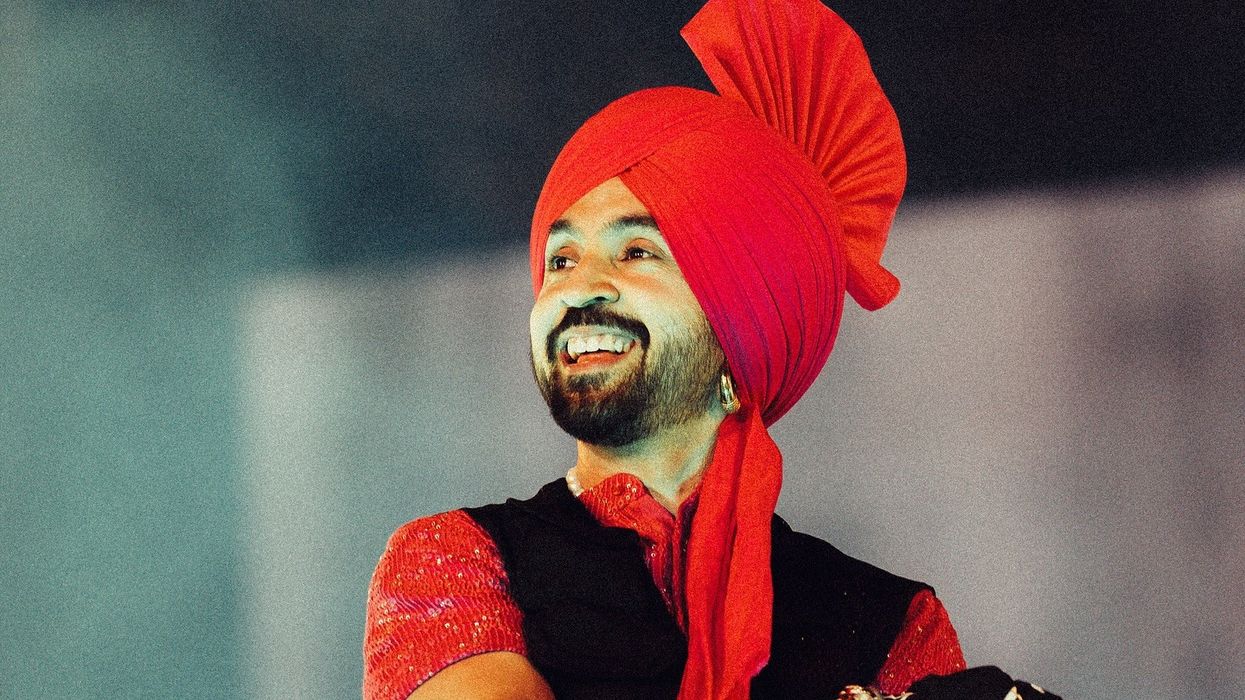
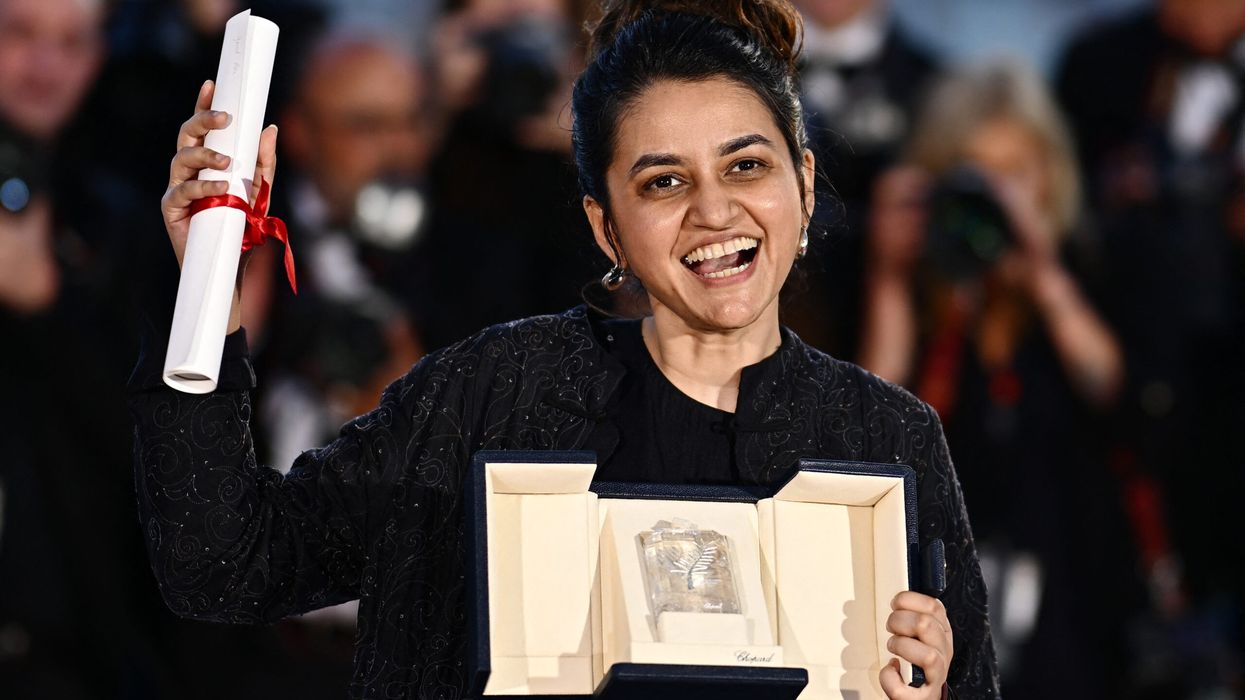
The Birmingham Contemporary Music Group (BCMG) is hosting innovative events that link classical musicians from the UK with those from Bangladesh and Pakistan.
The Music In Dialogue event sees the BCMG welcome musical maestros Gul Muhammad (sarangi), Turab Ali Hashmi (sitar), Ahsan Bari (vocalist) and Neel Kamrul (bamboo flute) for performances, artistic exchanges, and workshops.
Eastern Eye caught up with one of the visiting maestros, Bangladesh-born artist Neel Kamrul to talk about music and the UK concerts.
What first connected you to music?
I was born into a family of musicians. I started Indian classical music lessons at the age of four and it became an essential part of my pre-school education. I truly got connected with the essence of music once I started paying attention to the sounds of nature around us. The sound of monsoon rain became an orchestra of a thousand droplets, the rhythm of the rowing boats became my percussion and I started ‘call-respond’ exercises with the sound of a hammer at my local ironsmith.
How would you describe the kind of music you make?
I appreciate new innovative electronic sounds, but find myself more comfortable exploring ethnic-traditional music that has evolved through generations. The uniqueness of acoustic sounds rendered by various traditional wind instruments, strings and persuasions fascinate me. I relate to the oneness in this diversity and blend one with another without any self-imposed efforts. So, traditional acoustic fusion is the kind of music I make.
How much does a live performance mean to you?
Music and live performance are synonymous to me. My engagement with acoustic music started long before the era of social media and digital music. My audiences have been real-life people sitting around community spaces, musical gatherings and large concert audiences. And my maestros were the street musicians. In my teens, I joined the theatre movements and start performing on stage. I’ve drawn inspiration from joyful people singing with my instruments.
What can we expect from your UK concert?
Music from the roots of Bangladesh, blended with ingredients of Asia, Middle East and Latin America, will be my offering during the concert. I’ll offer a wide range of ethnic textures and colours. My other aim would be to make the sounds of everyday life audible, as they are the ultimate form of music to me. If the sounds around us were not musical, civilisations would have gone crazy by now.
Why do you love music?
Music is a form of meditation for me and brings out the best in me. I love everything about life. The way I love the colours of woods, aroma of herbs and flavours of various fruits, likewise, I love the sounds around me. Every sound composed by nature is music to me. I am also fascinated by the uniting power of music. It’s a humane exercise that brings people together on the same platform, regardless of their race, religion, nationality and political opinion. As a composer, I also enjoy the process of bringing musical minds together and creating a collective sound.
What inspires you?
Any musical occasion that has the potential of taking the audience into a joyful state gives me a reason to keep creating music.
Why do you think collaboration between musicians matters?
“When ‘my’ music blends with ‘yours’, it becomes ‘ours”. This eternal verse from the Vedas (ancient Hindu script) reflects my spirit of musical collaboration. Every musician cherishes individuality, which is, of course beautiful. However, just like a delicious recipe, when different ingredients are brought together in appropriate proportions, we create something an appreciator would remember for life. Unlike other art forms, like paintings and poetry, music has been a collective activity since the very beginning of human society. A tune becomes magical when combined with rhythm, harmonisation and artistic movements (choreography). This multi-dimensional aspect of music collaboration is essential and we musicians love it.
bcmg.org.uk