
Highlights
- Three judges on the Court of Appeal in Victoria, Australia, rejected Robbie Thorpe's attempt to bring a private prosecution against the King.
- Thorpe, 68, alleges the monarch and Australian institutions are perpetuating genocide against Indigenous people. This was his third legal defeat since 2023.
- His only remaining domestic option is the High Court of Australia, which accepts about 10 per cent of applications for leave to appeal.
- Experts say individuals cannot launch prosecutions at the ICC. They can only submit evidence to its prosecutor.
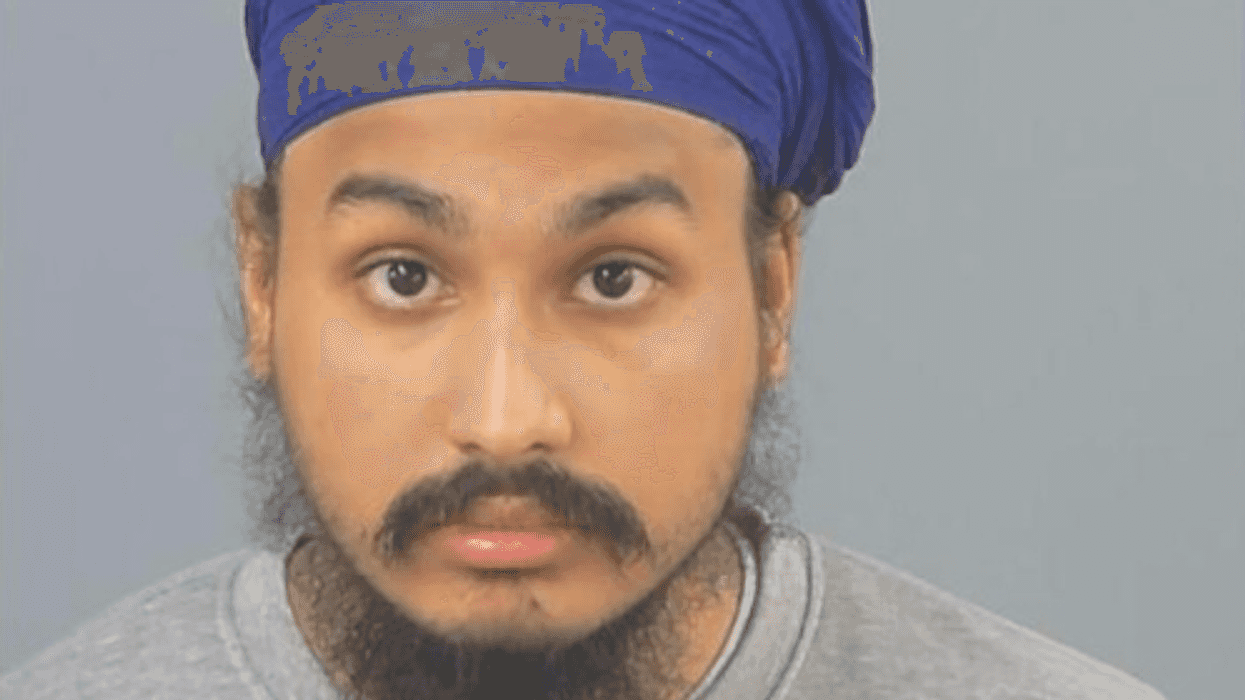
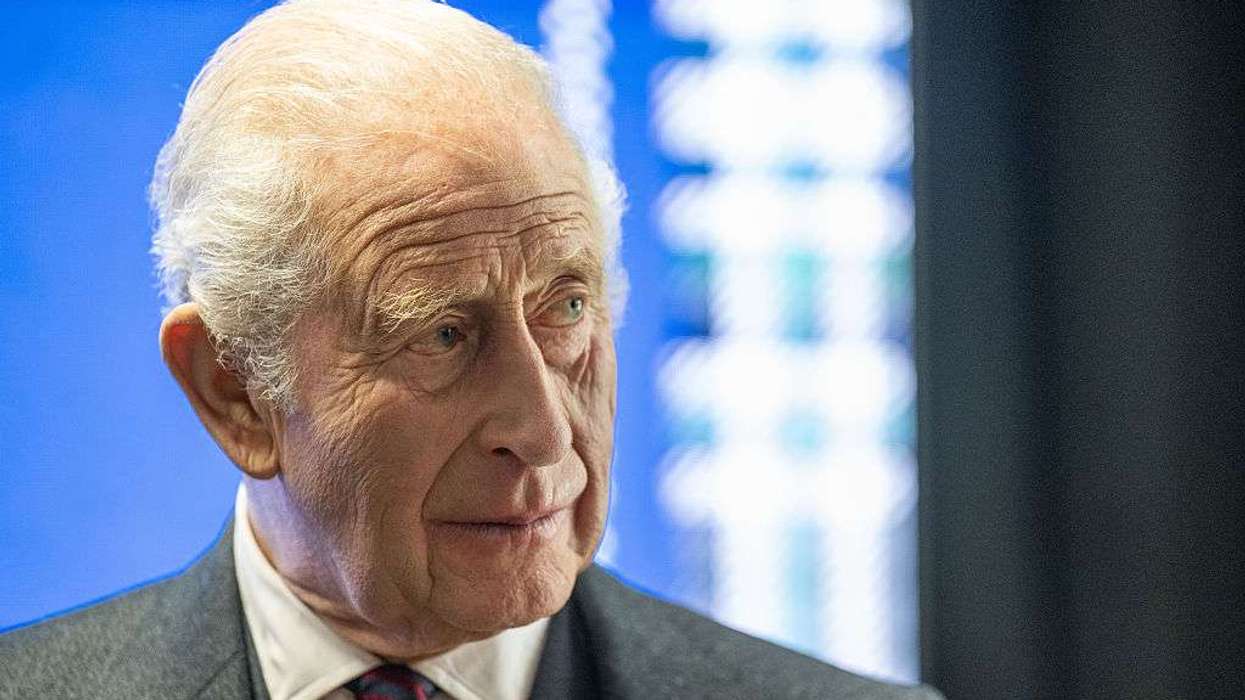
AN AUSTRALIAN appeals court has rejected a landmark bid by an Indigenous elder to prosecute King Charles III for genocide. The campaigner, however, has vowed to take his allegations to the International Criminal Court (ICC).
On Monday (28), three judges of the Court of Appeal in the Australian state of Victoria dismissed the attempt by Robbie Thorpe to bring a private prosecution against the monarch. The King is Australia's head of state.
Thorpe is a 68-year-old elder of the Krautatungalung people and is known as Uncle Robbie. Indigenous Australians use "uncle" and "aunt" as marks of respect for community elders. He has been trying since 2023 to launch proceedings against the King in Melbourne Magistrates' Court. Monday's ruling was his third defeat.
His case alleged that the King, together with the Australian government and its institutions, is perpetuating genocide by maintaining systems that disadvantage Indigenous people across a range of social and economic measures.
Indigenous Australians make up about four per cent of the country's population. According to official statistics, they die younger, have worse health outcomes and are more likely to be imprisoned or unemployed than other Australians.
Thorpe said he did not expect a fair hearing in Australia and would pursue the matter internationally once domestic options were exhausted.
"The International Criminal Court will expose Australia for what it really is — a lying, racist, illegal occupation committing genocide," he was quoted as saying.
What happens next
The ruling leaves Thorpe with one domestic avenue, which is to seek permission to appeal to the High Court of Australia. That court accepts only about one in 10 applications for leave to appeal.
A move to The Hague would face major obstacles, legal experts said.
Immunity
Constitutional lawyer Anne Twomey of Sydney University said the British monarch is immune from all criminal and civil liability in the UK. She said that protection is broader than the immunity of a US president, because it extends to personal acts outside official power.
The immunity has likely been inherited by Australia, she said, although she was not aware of it ever being tested in an Australian court. The monarch is also entitled to sovereign immunity under customary international law and under Australian statutes.
The ICC route
The ICC does not recognise head of state immunity and can prosecute genocide. However, individuals cannot start prosecutions there.
Don Rothwell, an international law expert at the Australian National University, said a referral by the UN Security Council would be vetoed by Britain.
"An individual cannot commence a prosecution. If they've exhausted all of their options under Australian law, the best that they can do is seek to provide evidence that they believe constitutes the crime of genocide. It's then up to the International Criminal Court to determine whether they would seek to prosecute," Rothwell said.
Spencer steps up criticism
The ruling came in the same week that the King faced renewed criticism from Earl Spencer, the younger brother of Diana, Princess of Wales.
In his memoir, the Earl alleged that during a phone call before Diana's funeral, the then Prince Charles remarked: "Rest assured, we'll forget her soon enough."
In an unusual move, the Palace responded publicly. Its statement said the "pain of fraternal grief can cloud reason, affect judgment and colour memory".
Speaking to former magazine editor Tina Brown at a book event in New York on Tuesday (29), the Earl called the response "very aggressive" and "a false reaction to the book as a whole."
"Anyone who reads the book will see that it is a brother's loving tribute to his sister. The bits about the Royal family are really incidental to that," he said.
He noted that the King had not denied the claims outright. When Brown said the Palace had instead attributed them to his grief, he replied: "Well, that's called gaslighting."
The Earl also claimed the King had a "temper." He recalled a disagreement over whether Prince William and Prince Harry should walk behind their mother's coffin, which he had opposed. He also referred to a 2022 video of the King becoming frustrated with a leaking pen at Hillsborough Castle.
Asked what Diana would have been had she not married Charles, he answered: "Happy."
The Earl also insisted he was not being sued by Piers Morgan. He has apologised to the broadcaster for wrongly suggesting in the book that Morgan was editor of the Daily Mirror when it published hidden-camera pictures of the Princess.
Morgan has said he plans legal action and has instructed lawyers to demand the book be withdrawn from sale.