
Skip to content
Search

Latest Stories

Submit Guest Post

Asian family seeks funds for toddler with ultra-rare genetic condition

Asian family seeks funds for toddler with ultra-rare genetic condition

Eliyas has a neurological disorder that affects the development of myelin, which helps the brain communicate with the rest of the body.

GoFundMe

A BRITISH-INDIAN family is seeking support to help their 18-month-old son, Eliyas, access an investigational treatment in the United States for an ultra-rare genetic condition.

Eliyas has TUBB4A-related leukodystrophy, a neurological disorder that affects the development of myelin, which helps the brain communicate with the rest of the body.


Genetic testing confirmed that he carries a disease-causing variant in the TUBB4A gene. He undergoes physiotherapy to work on movement and developmental milestones.

Eliyas has been accepted for a personalised antisense oligonucleotide (ASO) gene therapy programme at Rush University Medical Center in Chicago.

The treatment is not available through the NHS and must be funded privately. The family is seeking funds for treatment, medical monitoring, physiotherapy, rehabilitation, travel and accommodation.

Donations can be made through the family's GoFundMe appeal.

Add EasternEye As Your Trusted Source
preferred source on google news

More For You

Supermarkets

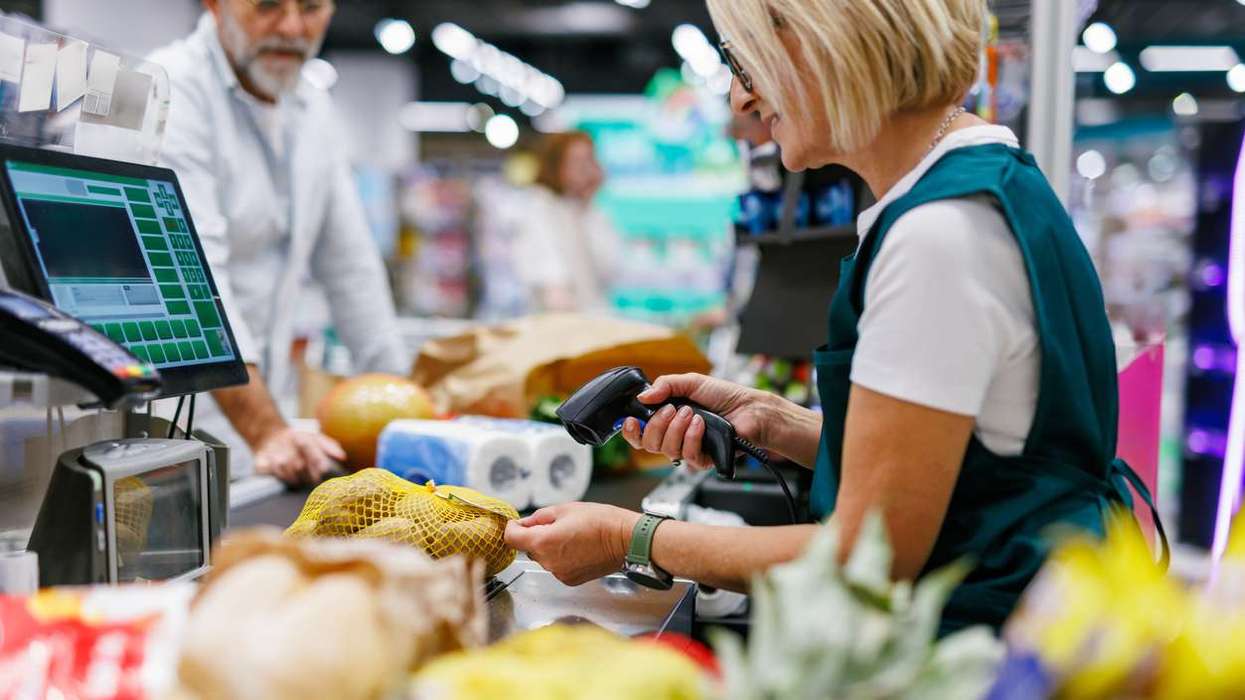
Nine companies supply almost 95 per cent of food sold through UK supermarkets, highlighting the concentration of the country's food distribution network

iStock

Nine companies supply 95% of UK supermarket food as report warns of national crisis risks

  • Nine companies supply 94.5 per cent of British retail food through 131 distribution hubs.
  • The UK has no domestic antibiotic manufacturing capacity after its last plant closed in 2025.
  • Peers want a dedicated cabinet minister for resilience and a national strategy within six months.

Almost 95 per cent of food sold through UK supermarkets is supplied by just nine companies, leaving the country heavily dependent on a small number of businesses and distribution networks, a parliamentary report has warned.

The concentration means disruption affecting only a handful of major suppliers could have significant consequences for food availability across the country.

Keep ReadingShow less