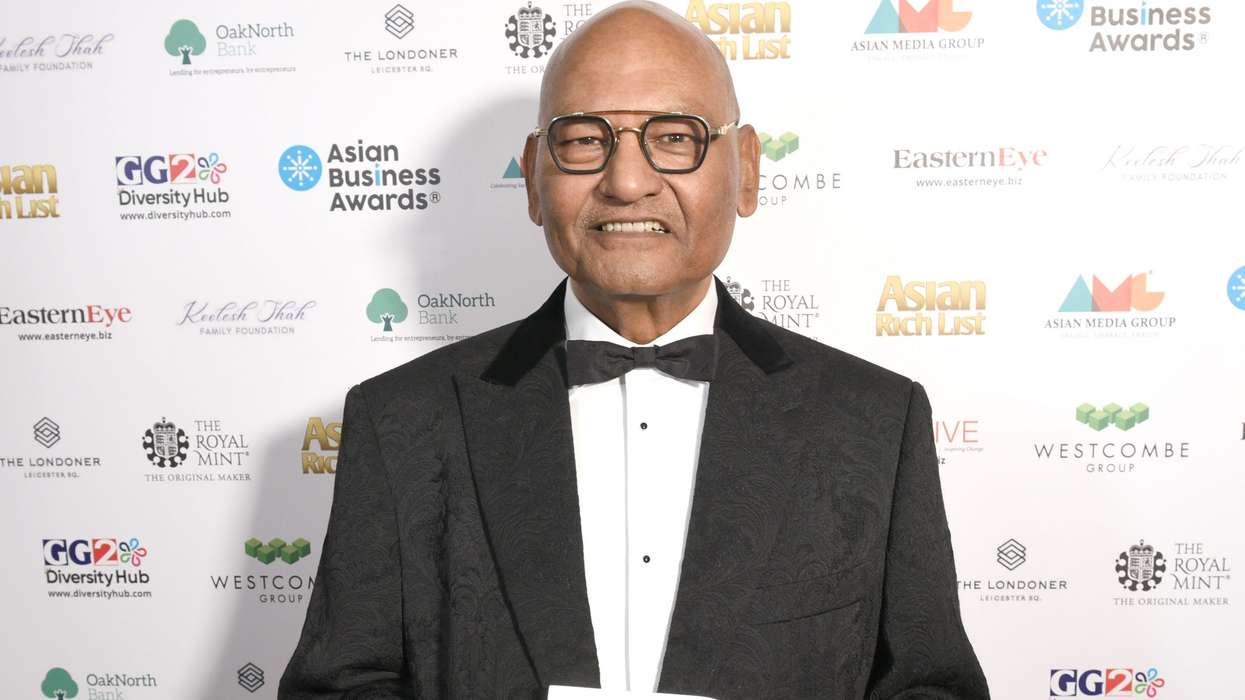

ANIL AGARWAL, chairman of mining and metals giant Vedanta, has called for greater private sector involvement in India's defence manufacturing sector, arguing that the country's existing network of ordnance factories holds the key to achieving self-reliance in weapons production.
In a LinkedIn post, Agarwal said India's 41 ordnance factories, which produce arms and ammunition, were critical national assets that were being underused and needed modernisation to reach their full potential. He said visits to facilities in Jabalpur and Bhusawal had left him impressed by their scale and technological capability.
"I was simply amazed at their scale and their adoption of technology," he wrote. "They have very competent people in the management. I have not seen many factories like these anywhere."
Agarwal argued that such infrastructure would be almost impossible to build from scratch and should instead be upgraded and opened up to private enterprise. He said production could be increased tenfold with the right investment and innovation.
"It is almost impossible to build such infrastructure quickly, so these existing factories hold the key to achieving self-reliance in defence equipment," he said.
Drawing a parallel with India's ancient rulers, who he said built their power on strong indigenous defence capabilities, Agarwal said the same logic applied in today's shifting geopolitical landscape. "In today's geopolitics, there is a renewed focus on the need for self-sufficiency in defence equipment," he wrote.
The Vedanta chairman also pointed to the export potential of a revitalised sector, suggesting it could become a significant contributor to GDP and employment. "We can even develop exports and make this sector a massive contributor to GDP and jobs," he said.
Agarwal called for the process to mirror the privatisation of Air India, which he described as a model of smooth transition, and said the private sector was ready to act.
He noted, "With the government as partner, the private sector is ready to put its hand up and do this for the nation. What remains is execution."
India has been pushing to reduce its dependence on imported military equipment under prime minister Narendra Modi's "Atmanirbhar Bharat," or self-reliant India, initiative. Defence exports have grown sharply in recent years, though the country remains one of the world's largest arms importers.