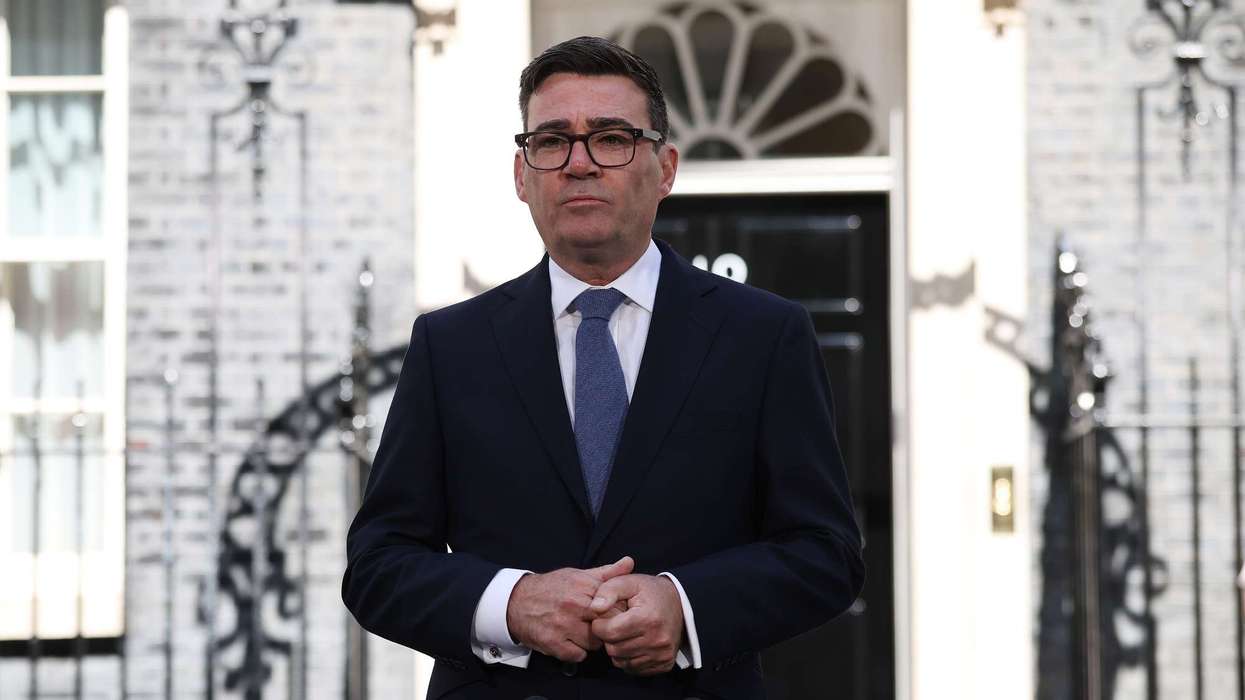

- Andy Burnham will change the pension triple lock from April 2030.
- The current system will remain in place for the rest of this Parliament.
- Savings will help fund a proposed National Care Service.
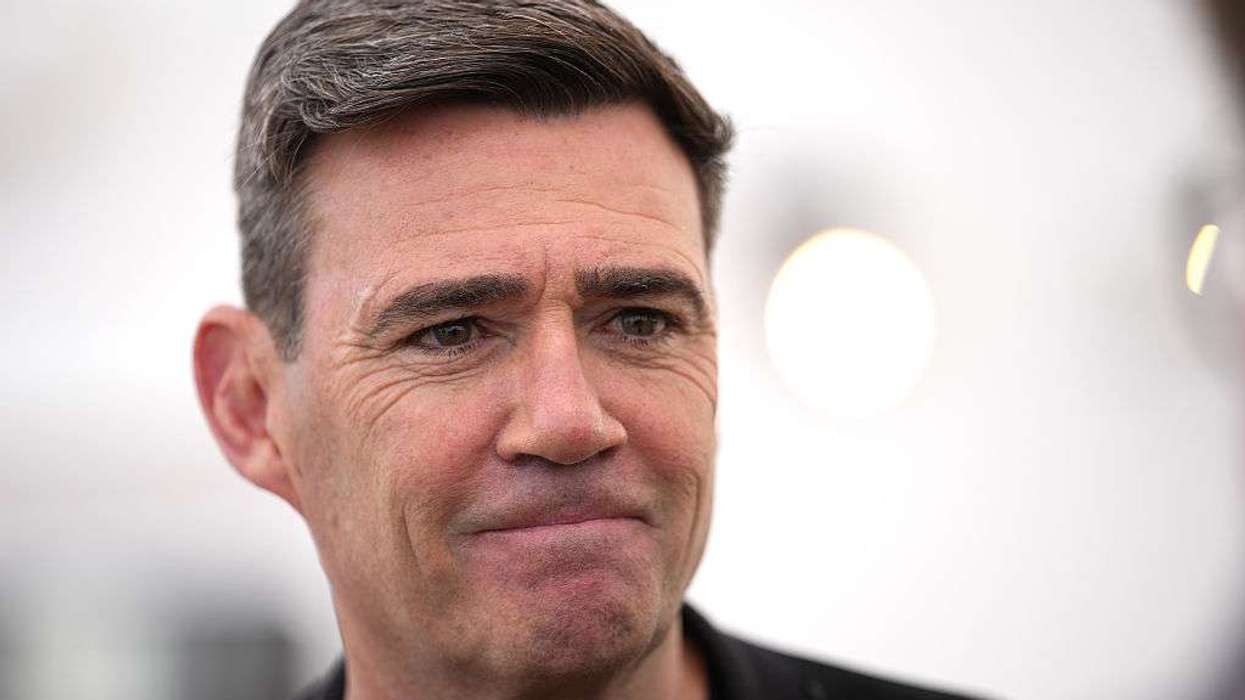
Prime Minister Andy Burnham has confirmed that the UK’s state pension triple lock will be changed from April 2030, with the savings expected to help fund Labour’s plans for a National Care Service.
The current system will remain unchanged for the rest of this Parliament. Under the triple lock, the state pension rises each year by whichever is highest among inflation, average earnings growth or 2.5 per cent.
From 2030, Burnham said the state pension would continue to rise every year by at least inflation or 2.5 per cent. He also said pensioners would retain the value of their pension relative to average earnings over time, meaning the new system would remove the current three-way test while maintaining a link to living standards.
The change is intended to release money for a proposed National Care Service, which Burnham wants to make free at the point of use. He has said the service would bring together care provided in people’s homes and communities, with the aim of reducing the financial burden on people who need long-term care.
What changes for pensioners?
For pensioners, the key difference will be the removal of the earnings element from the annual calculation.
At present, if average earnings rise faster than inflation and the 2.5 per cent minimum, pensions rise in line with earnings. Under Burnham’s proposed system from 2030, increases would instead be based on at least inflation or 2.5 per cent, alongside a longer-term commitment to preserve pensioners’ position relative to average earnings.
Burnham said the current triple lock would remain in place until 2030, meaning the immediate change will not affect pension increases during the remainder of the current parliamentary term.
He also said low-income pensioners would not pay income tax during the current Parliament.
The Government Actuary describes the existing triple lock as a formula based on the highest of average earnings growth, consumer price inflation and 2.5 per cent.
Burnham's bigger social care plan
The pension change is part of a wider proposal to overhaul the UK's social care system.
Burnham has said the National Care Service would be a universal service, free at the point of use and funded collectively. The Government has already been working on plans for a National Care Service, with Baroness Casey’s independent commission examining how adult social care could be reformed.
The decision to alter the triple lock is likely to remain politically sensitive. Earlier in July, Burnham had said Labour would maintain the triple lock until the next general election, while pressure was growing over its long-term cost.
Burnham has now framed the change as part of a wider trade-off between pension increases and the cost of providing social care. He said the country needed to have an "honest conversation" about difficult choices facing public services.
The change would take effect in April 2030, after the next general election. Its implementation would therefore depend on the policy being taken forward by the government of the day.


 Dr Rohit Gutgutia is a fertility and IVF specialist with more than two decades of experience in reproductive medicine. He holds an MBBS and DGO in Gynaecology and Obstetrics and trained in advanced IVF in Israel in 2005.