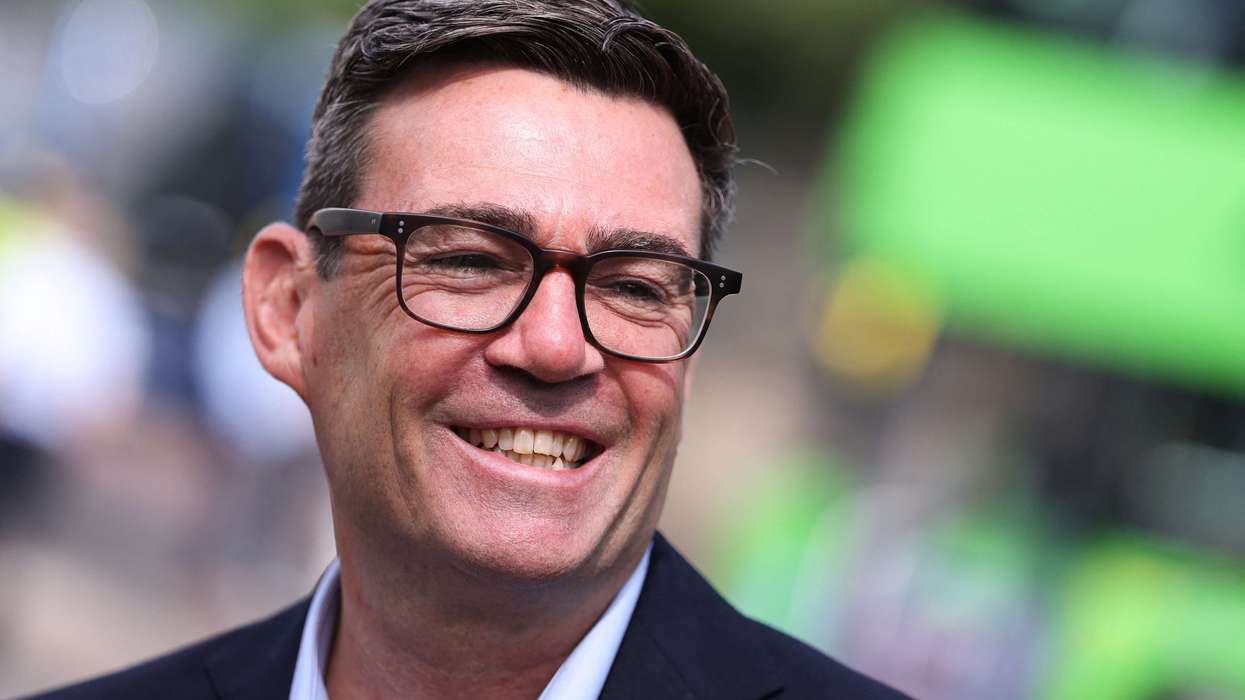

POLICY experts expect the India-UK partnership to continue under new prime minister Andy Burnham, who won the Labour party leadership in the same week that the Comprehensive Economic and Trade Agreement (CETA) between the two countries came into force.
While the new leader has pledged to do things differently, India is expected to remain a key focus of UK foreign policy, with experts pointing to Burnham’s previous engagement with India during his time as mayor of Greater Manchester.
“Over this past year, we have valued close engagement with the Greater Manchester authorities, particularly Mr Andy Burnham, whose energy and warm support has done much to strengthen India-North England ties,” said Vishakha Yaduvanshi, the consul general of India in Manchester.
Yaduvanshi described the opening of India’s Consulate in Manchester in March last year as a “landmark moment” that highlighted the role of northern England’s “industries, academia and sporting ethos” in the India-UK relationship.
“His [Burnham’s] 2019 visit to India, meeting with the former Indian high commissioner (Vikram Doraiswami) in December 2025, and his virtual participation in the India North England Opportunity Summit in March reflect a longstanding commitment to this partnership,” she said.
Burnham has previously spoken about his visit to Mumbai, Bengaluru and Delhi, which was coordinated by the Manchester India Partnership (MIP), an organisation that helps businesses and universities engage with India.
Rahul Roy-Chaudhury, senior fellow for South Asia at the International Institute for Strategic Studies (IISS), expects “continuity” in India-UK relations, which he said “has not been better in over a decade”, citing recent prime ministerial visits and the implementation of CETA.
“New prime minister Andy Burnham has an opportunity to deepen these improved India UK ties, deliver on the prosperity agenda and ensure a landmark dividend on bilateral defence and strategic cooperation with India,” he said.
The 1928 Institute said Burnham would inherit a strong foundation, but would need to maintain the momentum built by the outgoing government.
“From an India policy and diaspora perspective, Andy Burnham would inherit a strong foundation. However, his attention is likely to be pulled in several directions, particularly given the domestic focus of his agenda,” said institute chair Dr Nikita Ved.
“It would therefore be prudent to establish an India Task Force and/or appoint an India Trade Envoy, to maintain the current momentum,” she added.
Lord Karan Bilimoria, Cobra Beer founder and co-chair of the India All Party Parliamentary Group (APPG), said he expected Burnham to continue to “prioritise India” and hoped political changes in Britain would give businesses greater certainty and stability.
“Stability for at least the next three years until the next general election, so that businesses in the UK and in India can invest in each other’s countries... which will create jobs on both sides,” he said.
“We need to double our trade, going from nearly £50 billion today to £100 billion by 2030... I’m very confident of a very bright future for the UK and India from now onwards,” Bilimoria added.
Rajesh Agrawal, chair of the Labour Friends of India (LFIN) diaspora group, said Burnham’s experience in Manchester showed his understanding of the importance of long-term relationships with India.
“Andy understands that growth comes from longerterm relationships. If you look at his own track record in Manchester, he’s worked to strengthen links with India through businesses, universities, innovation and improving connectivity with a direct flight between India and Manchester,” he said.
Agrawal, who worked with Burnham during his time as Labour’s deputy mayor of London, said the prime minister’s focus on devolution could create closer engagement with Indian states.
“He’s a big fan of devolution and empowering different regions, and India is of course a federal structure with many states. So, I also see him engaging more with regional governments,” he said.
Tech entrepreneur Uday Nagaraju, one of the newer British Indian Labour peers in the House of Lords, said Burnham was expected to maintain the “same strategic direction” on India and trade.
“I think the next stage (for India-UK ties) will be about converting the trade agreement into investment, exports, jobs, research partnerships, and opportunities for smaller companies in both countries,” he said.
The priority should be to turn political goodwill into measurable economic outcomes.



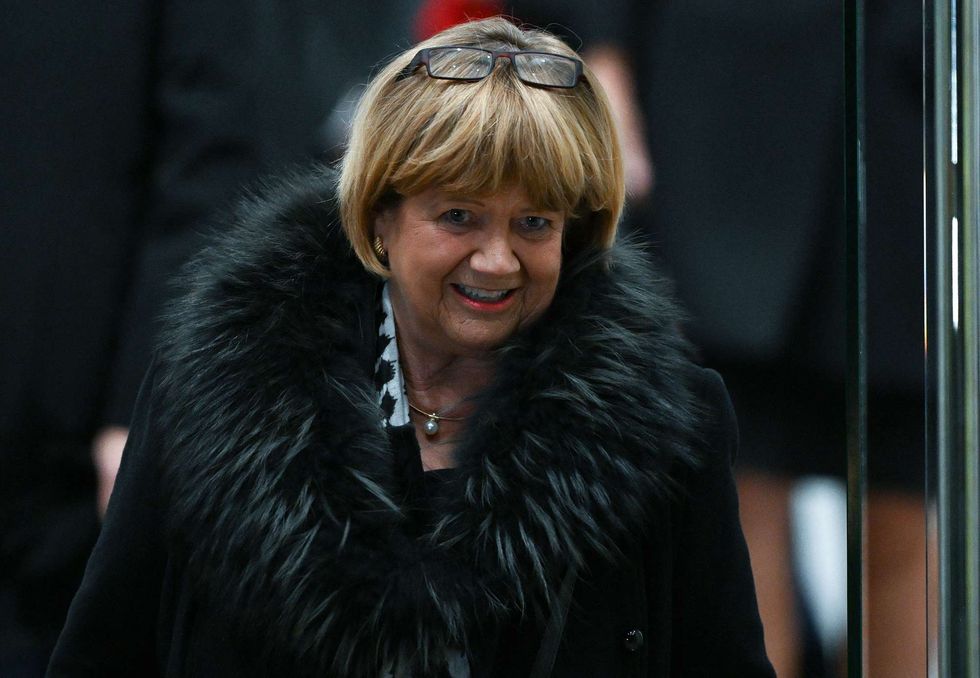 Baroness Heather HallettJustin Tallis/AFP via Getty Images
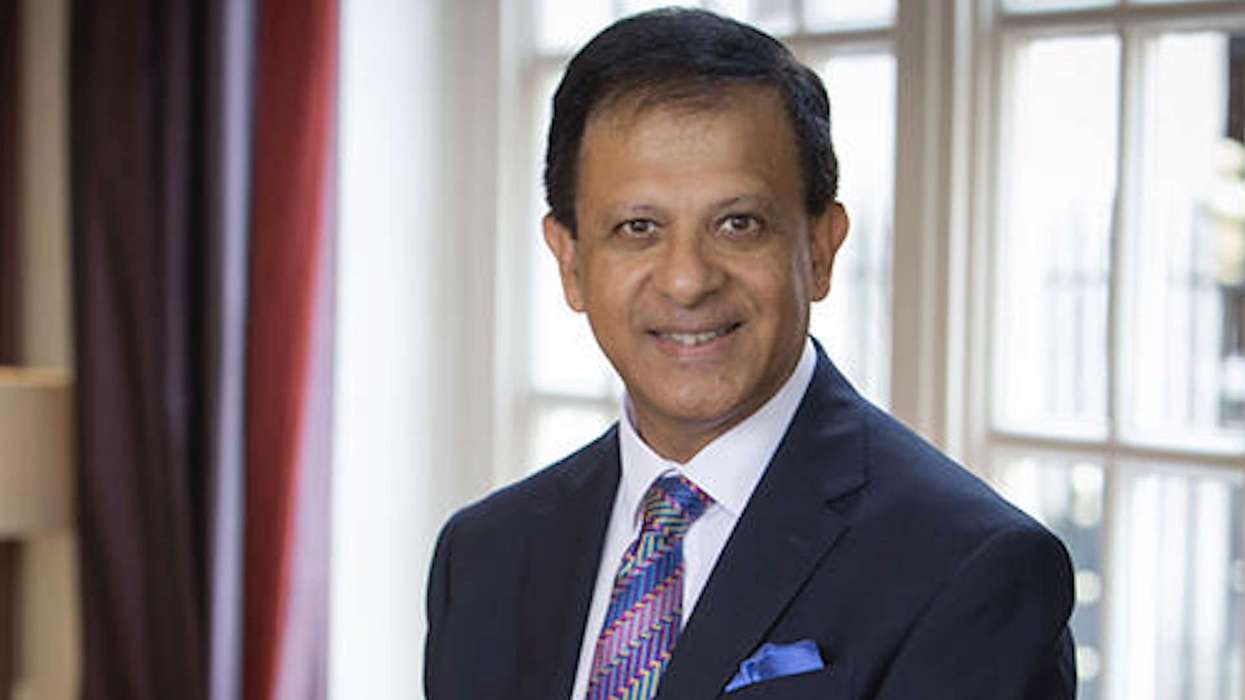 Dr Chaand Nagpaul BMA
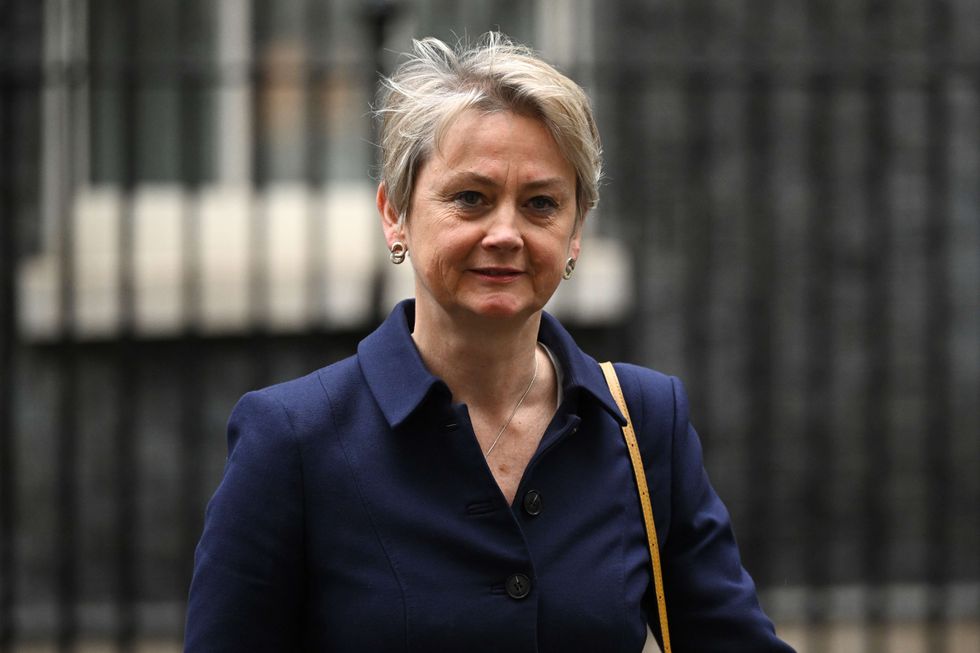 Yvette CooperLeon Neal/Getty Images