Skip to content
Search

Latest Stories

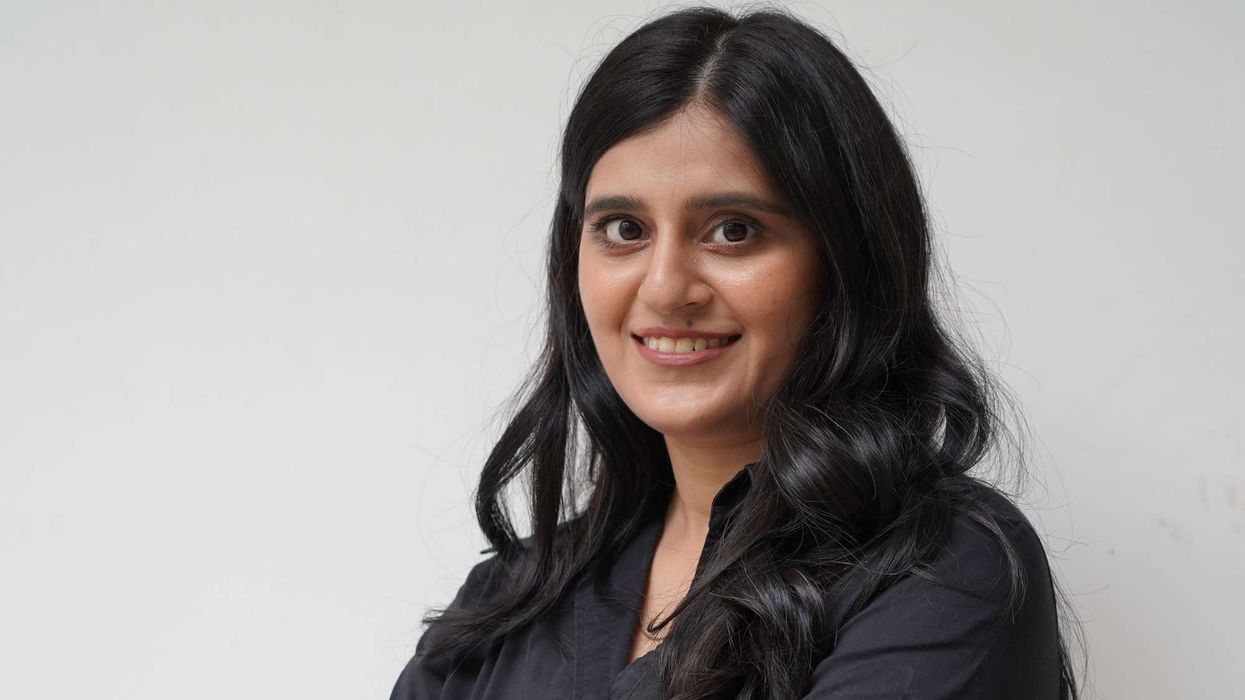
Amisha Adhia to launch campaign after rare childbirth condition went undiagnosed

Mother urges stronger NHS detection of placenta accreta following multiple missed diagnoses

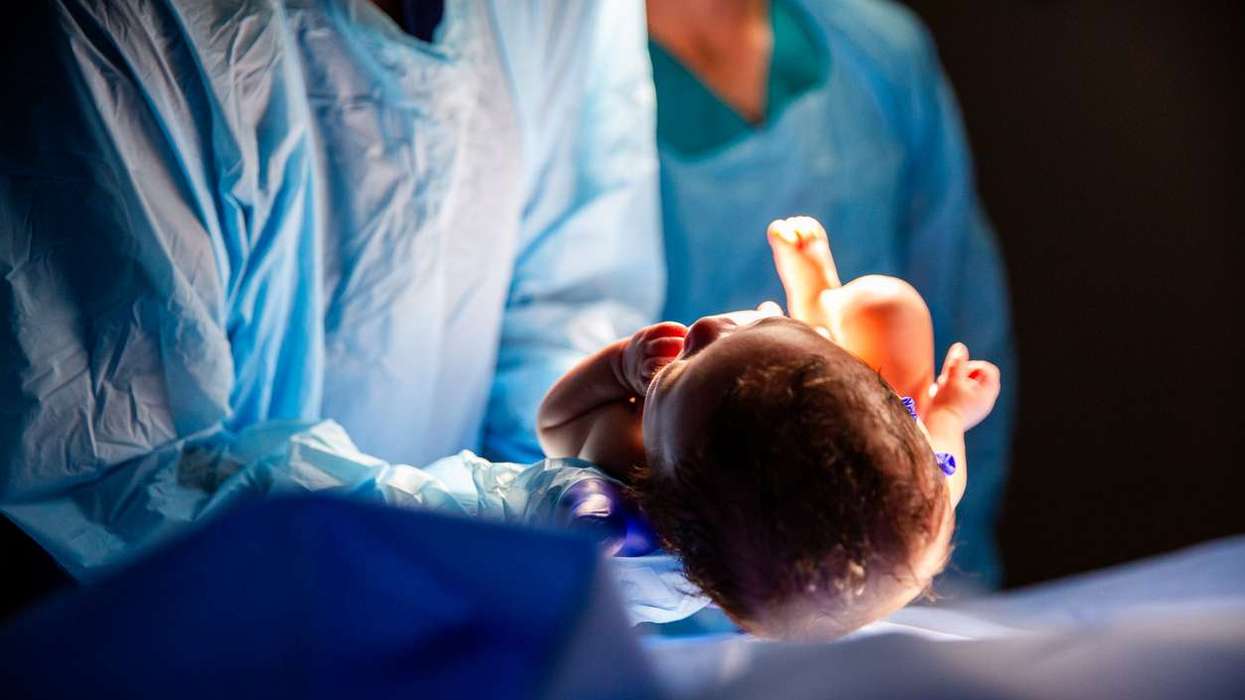
Amisha Adhia childbirth condition

The NHS estimates placenta accreta spectrum affects between one in 300 and one in 2,000 pregnancies

iStock

Highlights

  • Amisha Adhia was misdiagnosed by five London hospitals before a consultant obstetrician confirmed she had placenta accreta spectrum.
  • Between one in 300 and one in 2,000 women develop the condition, with numbers rising as 45 per cent of English births now occur by caesarean section.
  • Eight baby and maternal health groups have backed the Action for Accreta campaign, which has been contacted by 40 women whose condition went undiagnosed.
A London mother is to launch a campaign demanding better NHS diagnosis of a rare childbirth complication after five hospitals incorrectly assessed her condition, according to report by The Guardian.
Amisha Adhia, 36, is calling for improved detection of placenta accreta spectrum, which occurs when the placenta grows too deeply into the uterus wall and can cause fatal bleeding during delivery.
Women who have previously had caesarean sections or IVF treatment face significantly higher risk of developing the condition.
Medical experts warn the problem is worsening as C-section births in England have risen to 45 per cent, now exceeding unassisted natural births at 44 per cent .
Adhia visited five London hospitals during her pregnancy, where specialists repeatedly assured her she had "almost zero risk" of the condition because her placenta was positioned high rather than low in the uterus.
However, Dr Chineze Otigbah, a consultant obstetrician at Queen's Hospital in Romford, correctly identified the deeply invasive condition and provided specialist care when Adhia delivered her daughter Ishaani last September.
"I am alive today because Dr Otigbah recognised the danger and acted," Adhia stated. "I was reassured into danger. I was carrying a condition that could have killed us both."

Health groups rally

The NHS estimates placenta accreta spectrum affects between one in 300 and one in 2,000 pregnancies, though American and Israeli studies suggest rates could be as high as one in 111.

Britain currently keeps no national records of how frequently the condition occurs or causes complications. Adhia and her husband Nik established Action for Accreta after her experience, receiving contact from 40 women whose placenta accreta went undetected during pregnancy.


Eight maternal health organizations, including Birthrights and the Birth Trauma Association, have endorsed the campaign.Dr Otigbah expressed concern that the NHS has not adapted to increased risk factors.

"The main risk factors for PAS are C-sections and IVF, which have risen massively. The NHS has not kept up to date with this reality. Not every hospital has PAS specialists, so subtle warning signs can be overlooked," she explained.

The Royal College of Obstetricians and Gynaecologists confirmed placenta accreta rates are increasing due to higher C-section numbers, older maternal ages and greater use of fertility treatments.

The organisation is updating its clinical guidelines, expected later this year.

More For You

Asian NHS therapist struck off after English claim and inability to understand colleagues

The Trust referred the matter to the Health and Care Professions Council and confirmed she had not worked there since 2024

iStock - Representative image

Asian NHS therapist struck off after English claim and inability to understand colleagues

Highlights

  • Sriperambuduru claimed English was her first language on her NHS application form.
  • Colleagues flagged communication problems within two weeks of her starting the role.
  • The tribunal found she intended to deceive the Trust to gain employment.
A speech and language therapist was struck off the professional register after admitting she could not understand her colleagues, despite claiming English was her first language on her NHS job application.
Sai Keerthana Sriperambuduru joined York and Scarborough Teaching Hospitals NHS Foundation Trust in October 2023, having declared English as her native tongue, which meant she was not required to prove her language proficiency separately.
At a review meeting on 7 November 2023, she acknowledged that Telugu was her native language and that English was in fact her second language.
Colleagues noticed communication problems within two weeks, according to a Daily Mail report.

What the panel found

Her line manager told the Health and Care Professions Tribunal Service hearing that during the interview process, Sriperambuduru had requested to use a chat-box facility so interviewers could type questions to her rather than ask them face to face.

The manager described this as "very unusual" given that Sriperambuduru was living in the UK at the time.

Keep ReadingShow less