
AFGHANISTAN'S junior female football team and their immediate families are set to relocate to Britain from Pakistan after recently escaping their homeland, the UK government said on Monday.
"We are working to finalise visas to the Afghanistan women's football team and look forward to welcoming them to the UK shortly," a government spokesperson said.
The team of around 35 young footballers, mostly teenagers, and their families - totalling around 130 people - just missed the hurried British airlift from Kabul in August, according to a UK-based charity helping them.
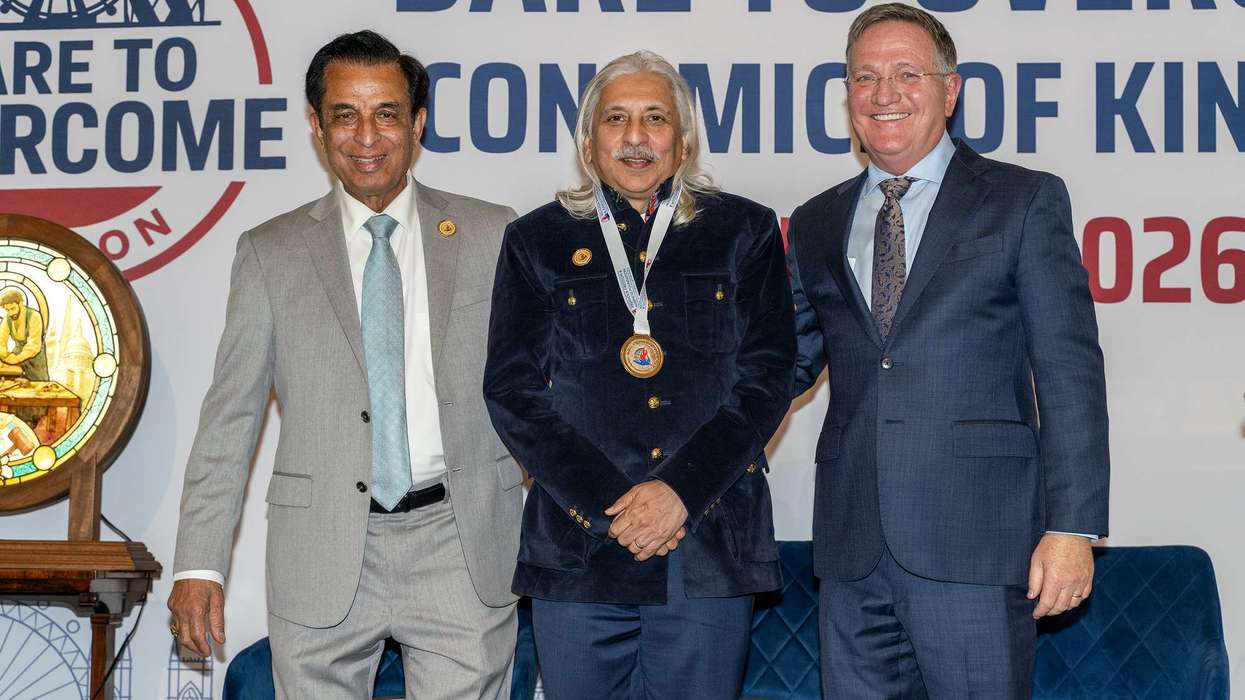
The squad were able to flee in small groups to Pakistan "with the assistance of some very brave people on the ground in Afghanistan", said Jonathan Kendrick, chairman of the ROKiT conglomerate, whose foundation is providing assistance.
"From a humanitarian perspective, there was simply no option," he said in a statement, noting they were "in a hugely dangerous, life-threatening, position should they not find a way to leave Afghanistan".
Pakistan granted the players temporary 30-day visas and they were transported to Lahore, the capital of Punjab province, from where they applied to relocate to Britain.
"These young players, with whom we are in regular contact via video calls, are absolutely thrilled and relieved to have been given the opportunities that will come available to them in their new lives in the UK," said Siu-Anne Marie Gill of the ROKiT Foundation.
She added it will "continue to support them as they settle into their new home in the coming weeks, to include helping to arrange further education, where possible".
Gill said she hoped many of the players would undergo trials with several professional women's football teams in Britain that "have already expressed great interest in meeting them".
Britain has airlifted more than 15,000 people - both UK nationals and Afghan allies - from the war-torn country since the Taliban recaptured it in August.
London has also committed to welcome up to 20,000 people over the coming years, including around 5,000 in the first year, as part of its Afghan citizens' resettlement scheme (ACRS).
"The government is committed to doing all it can to support those most in need, including vulnerable women and girls, and those at risk who have had to flee Afghanistan," the government spokesperson added.
The interior ministry declined to detail the type of visas the female players would be getting and whether it was part of ACRS.
(Reuters)