
Highlights
- Virdee creator joins Write Across Bradford as ambassador
- Up to 12 emerging writers to receive workshops and industry mentoring
- Programme aims to develop original ideas for a new television series
Best-selling crime novelist AA Dhand is supporting a new initiative aimed at discovering and developing aspiring screenwriters in Bradford.
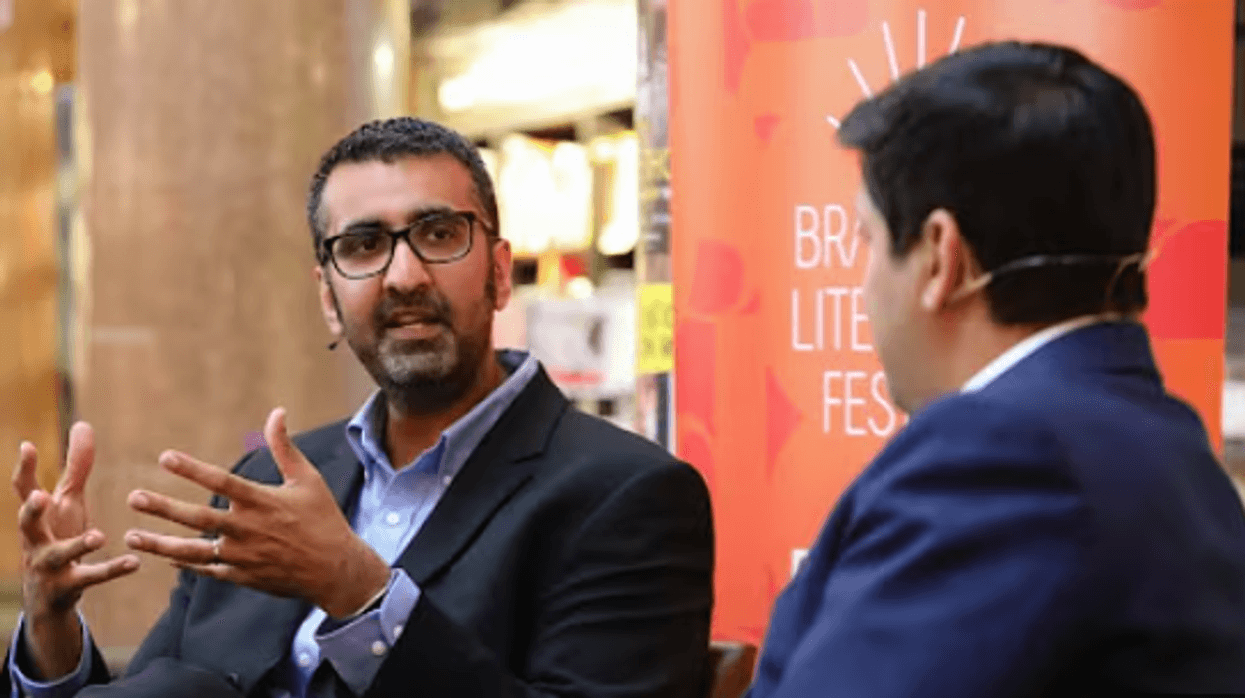
Dhand, whose Harry Virdee detective novels are set in the city, has joined the Write Across Bradford programme, led by BBC Writers. The scheme will select up to 12 emerging writers for a summer of workshops, masterclasses and networking opportunities designed to help them break into television writing.
The eight-week programme will guide participants through the process of developing ideas for a new TV drama, offering practical insight into the industry.
From page to screen
Dhand recently brought Bradford to a national audience with Virdee, a six-part BBC One crime drama adapted from his novels. He served as creator, writer and executive producer on the series, which premiered in the city before its broadcast in February 2025. The drama is available on BBC iPlayer.
His involvement in the new scheme builds on that connection between local storytelling and national television.
Jessica Loveland, Head of New Writing at BBC Writers & Drama Commissioning, said Dhand’s work reflects the core principles behind the project.
“We’re thrilled to be working with AA Dhand as ambassador for the programme,” she said. “Not only is he an acclaimed writer, but he has consistently championed Bradford’s creative community.
“His work is deeply rooted in place, voice and identity, exactly the values at the heart of Write Across Bradford. He brings a generosity and enthusiasm that make him an inspiring figure for emerging writers.”
Creating space for new voices
BBC Writers is delivering the scheme in partnership with Word Up North, Bradford Producing Hub, New Writing North, Bradford Arts Centre and Screen Yorkshire.
Loveland said the initiative is intended to open doors for writers whose stories are shaped by their surroundings.
“At BBC Writers, we’re committed to supporting emerging talent across the UK,” she said. “This programme is a brilliant opportunity for us to connect with the new writing community in the Bradford District and help writers gain meaningful industry insight and hands-on development.”
The scheme is open to people aged over 18 who live full-time in the Bradford District and are at an early stage in their writing careers. Applications are particularly encouraged from those who have been historically under-represented in the screen industries.
How the programme will run
Write Across Bradford is free to join and will run from July to September. Most sessions will take place online via video calls, with selected in-person workshops held in Bradford.
Full details are available on the BBC website. The deadline for applications is 10 March at 12:00 GMT.