
- The number of UK businesses in critical financial distress rose 9 per cent to 53,756.
- Leisure, hotels, sports clubs and food retailers are among the sectors under the most pressure.
- Another 674,030 businesses are classed as being in significant financial distress.
More than 53,000 UK businesses are now in critical financial distress, with the latest figures pointing to growing pressure across sectors that depend heavily on consumer spending.
The number of companies in this category rose 9 per cent year-on-year to 53,756 in the three months to June, according to the latest Red Flag report from management consultancy BTG.
These are not simply businesses having a difficult quarter. Companies classed as being in critical distress are facing serious liquidity problems, active action from creditors or formal legal proceedings such as winding-up petitions.
The increase was particularly noticeable among businesses that rely directly on consumers.
The businesses feeling the squeeze
Leisure and culture companies saw the biggest increase, with the number in critical distress rising 27.1 per cent to 1,478.
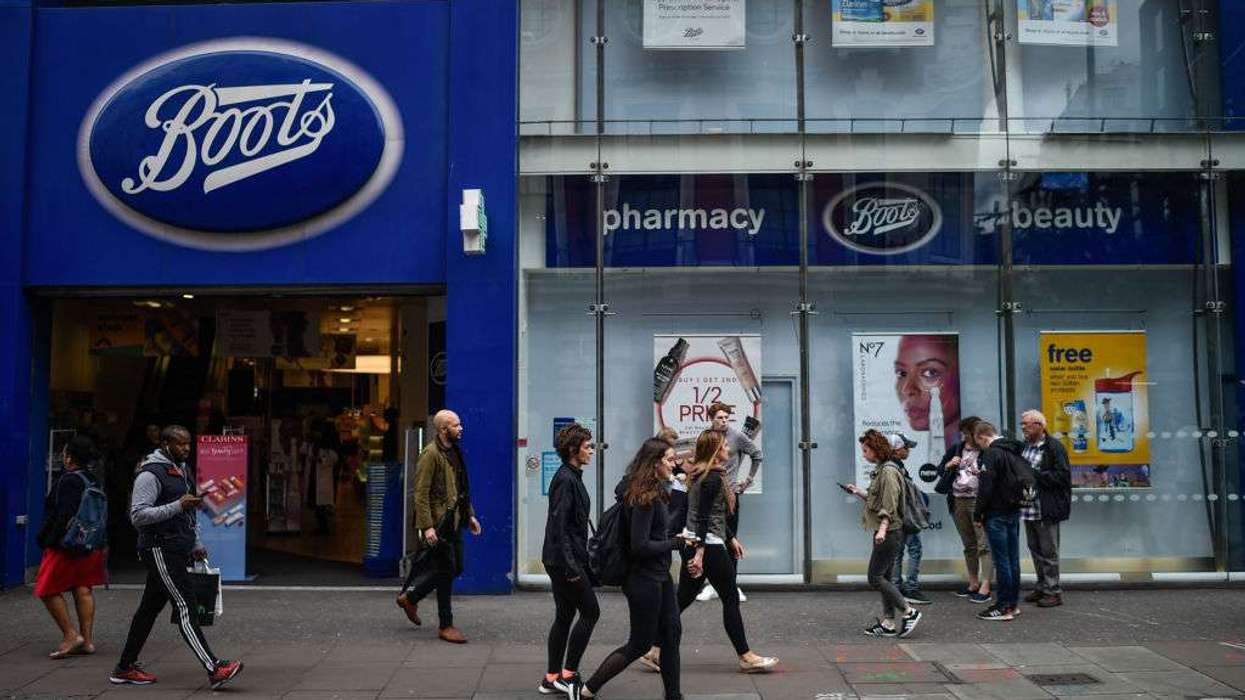
Hotels and accommodation businesses followed closely, with critical distress increasing 26.6 per cent to 510. Sports and health clubs were up 21 per cent to 980, while food and drug retailers rose 18.4 per cent to 2,350.
That matters because these are businesses that are particularly exposed when households become cautious about spending.
If consumers cut back on meals out, hotel stays, gym memberships or non-essential purchases, businesses already dealing with high operating costs can quickly find themselves under pressure.
Julie Palmer, managing partner at BTG, reportedly said the continuing level of financial distress showed that businesses were “walking a tightrope” as the second half of 2026 gets under way.
The problem is also much broader than the 53,756 companies in critical distress.
A further 674,030 businesses were classed as being in significant financial distress, up 1.1 per cent from a year earlier. This category covers companies showing clear financial pressure but which still have time to restructure, refinance or cut costs.
Support services, construction and real estate and property services were among the sectors with the largest numbers of businesses in significant distress.
How much worse could it get?
The concern for businesses is that another increase in costs could push more companies from significant distress into a more serious position.
BTG said businesses were already considering restructuring and refinancing as they try to strengthen their finances.
There are signs of pressure elsewhere, too.
HMRC was owed around £27 billion in corporation tax, VAT and PAYE by the end of 2025, while the number of winding-up petitions rose 15.7 per cent to 6,411 last year, according to Ministry of Justice data.
London had the highest number of businesses in both categories, with 204,851 in significant financial distress and 17,718 in critical distress. The Southeast, Midlands and Northwest also recorded high numbers outside the capital.
The figures do not mean tens of thousands of companies are certain to collapse. But they show how little breathing space some businesses have if trading conditions deteriorate further.
Ric Traynor, executive chairman at BTG, reportedly said there appeared to be little relief in sight for distressed UK businesses, warning that subdued confidence and spending could create wider problems later in 2026 and into 2027.
For businesses already struggling with costs, debt and weak demand, the biggest risk may not be the pressure they are facing now, but what happens if the economy gives them another shock before they have time to recover.