
Highlights
- Fitbit and Google Fit users will be automatically moved to the new Google Health app.
- Google Health Coach powered by Gemini AI goes live publicly from 19 May.
- Users will soon be able to share health data directly with doctors from the app.
1. Automatic app migration for existing users
 Fitbit users begin automatic transition into Google Health app experienceGoogle Health
Fitbit users do not need to download anything new or create a fresh account. The app will update itself to Google Health on its own.
The name and look of the app will change but everything you have stored, your workout history, health data and personal settings, will all still be there. There will be no break in your routine.
Google has made sure the switch happens smoothly because many Fitbit users have years of health data in the app that they would not want to lose or start over with somewhere else.
2. All health data will sit in one place
 Personal health data from multiple sources appears in one dashboardGoogle Health
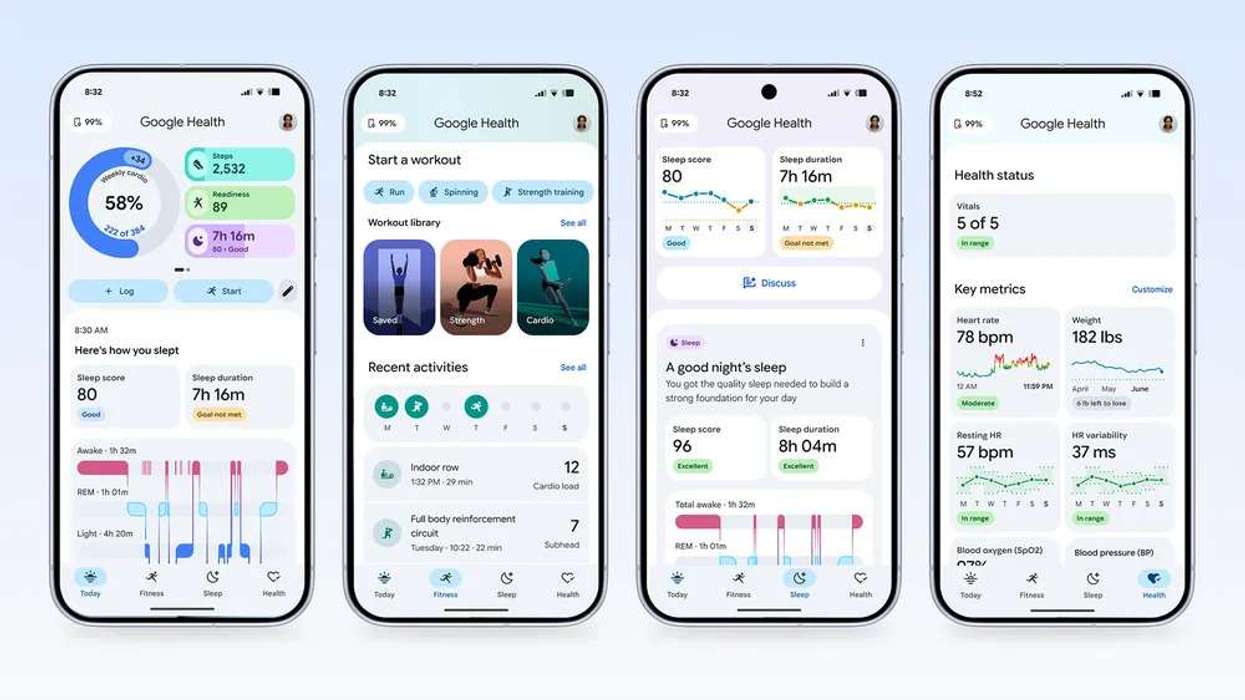
One of the biggest changes in the new Google Health app is that your medical records will now live alongside your fitness and wellness data.
The app pulls in information from wearable devices, Health Connect, Apple Health and your personal medical records, all in one place.
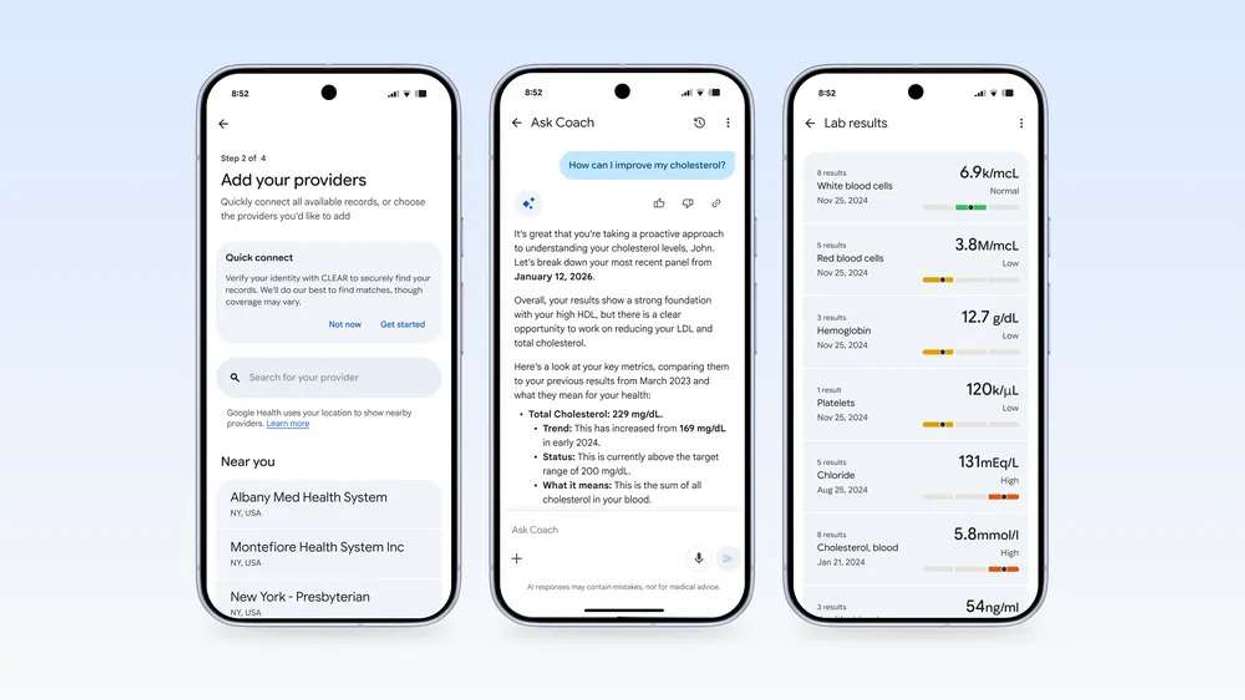
If you are in the US, you can connect your medical records directly to the app. Once that is done, you can ask the AI coach to break down or explain your medical information in plain language.
This turns what can often be confusing health documents into something you can actually understand and use, which is a big step forward for anyone trying to get a clearer picture of their health.
3. Shift to AI-driven health guidance
 AI Health Coach offering personalised guidance for daily wellness routinesGoogle Health
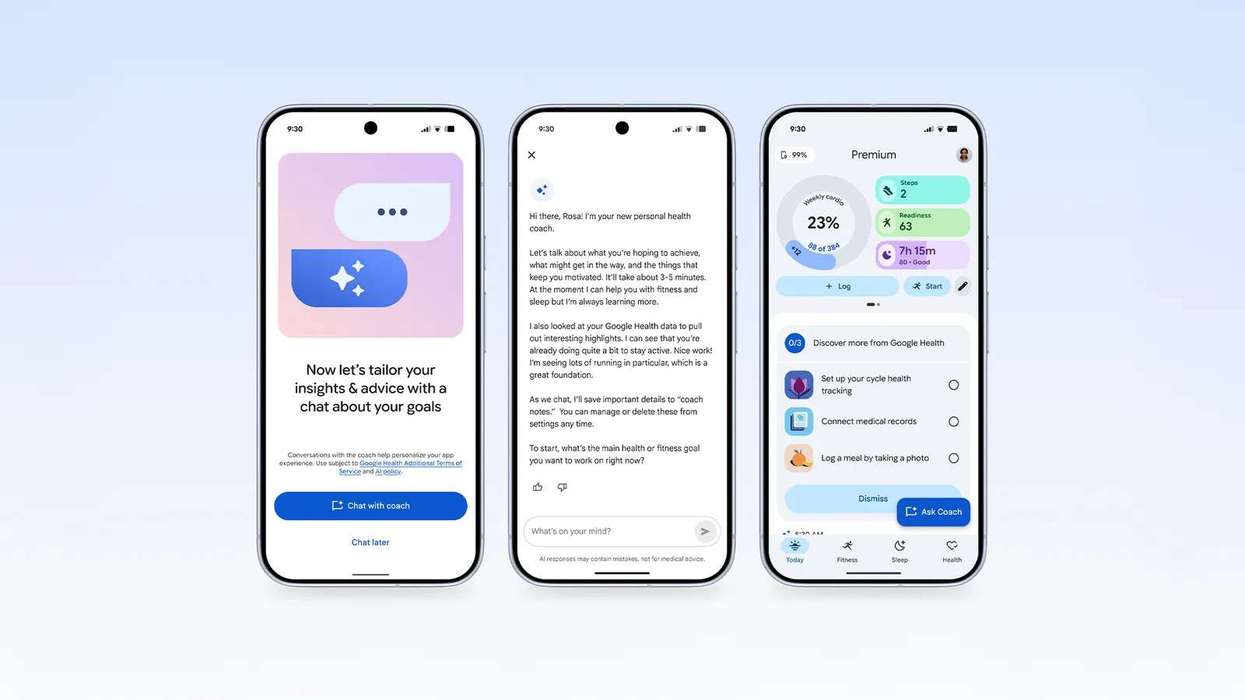
Google Health Coach goes live for everyone on 19 May and is the biggest change that comes with the move from Fitbit to Google Health.
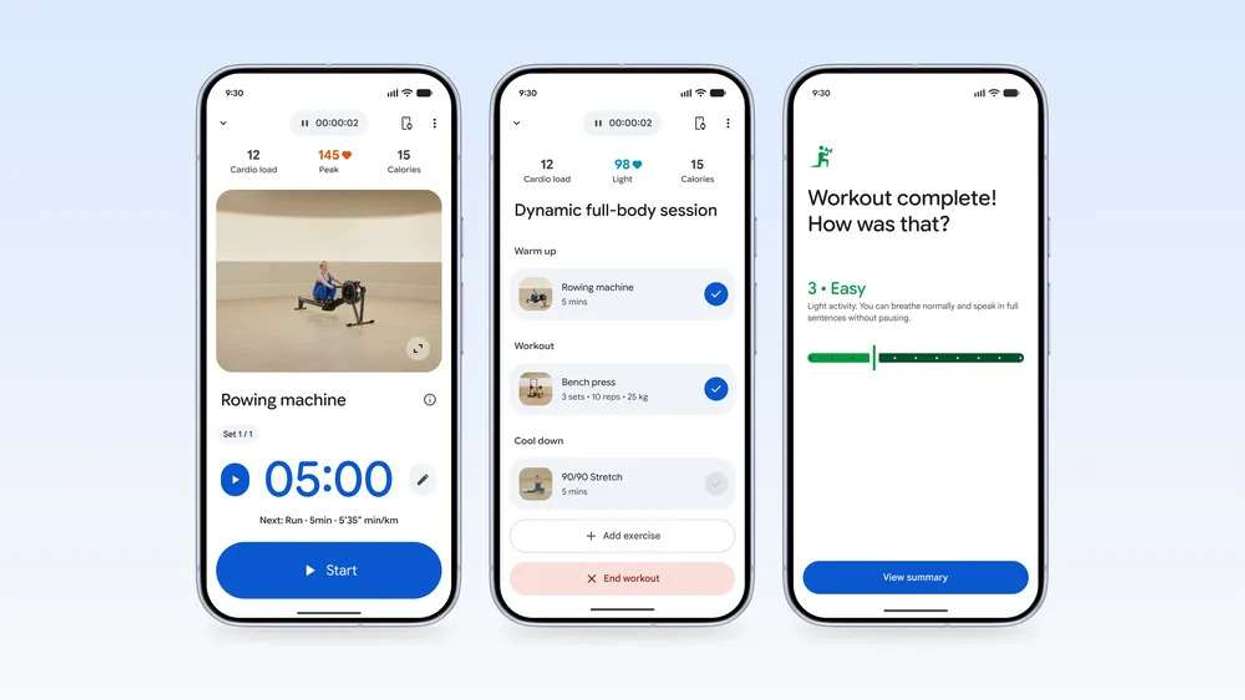
It is built on Google's Gemini AI and works as a fitness trainer, sleep coach and wellness guide all in one app. When you start using it, you have a short conversation where you tell the coach about your goals, daily routine, any injuries and how you live your life.
The coach uses all of that to give you advice that fits you personally and changes as your life does.
You can update your goals whenever you want and the coach will adjust straight away. You can also tap Ask Coach at any time if you want guidance without waiting.
4. New sharing capabilities with doctors and family
 Health data can be securely shared with doctors and family membersGoogle Health
The new Google Health app will let users share their health data safely with friends, family and doctors straight from the app.
This is something the old Fitbit app never really offered. Fitbit was mainly built for personal tracking and there was no easy way to bring your doctor into the picture.
Being able to show a doctor your sleep patterns, fitness levels, heart data and medical records before an appointment could make those visits much more useful.
5. Move to paid health features
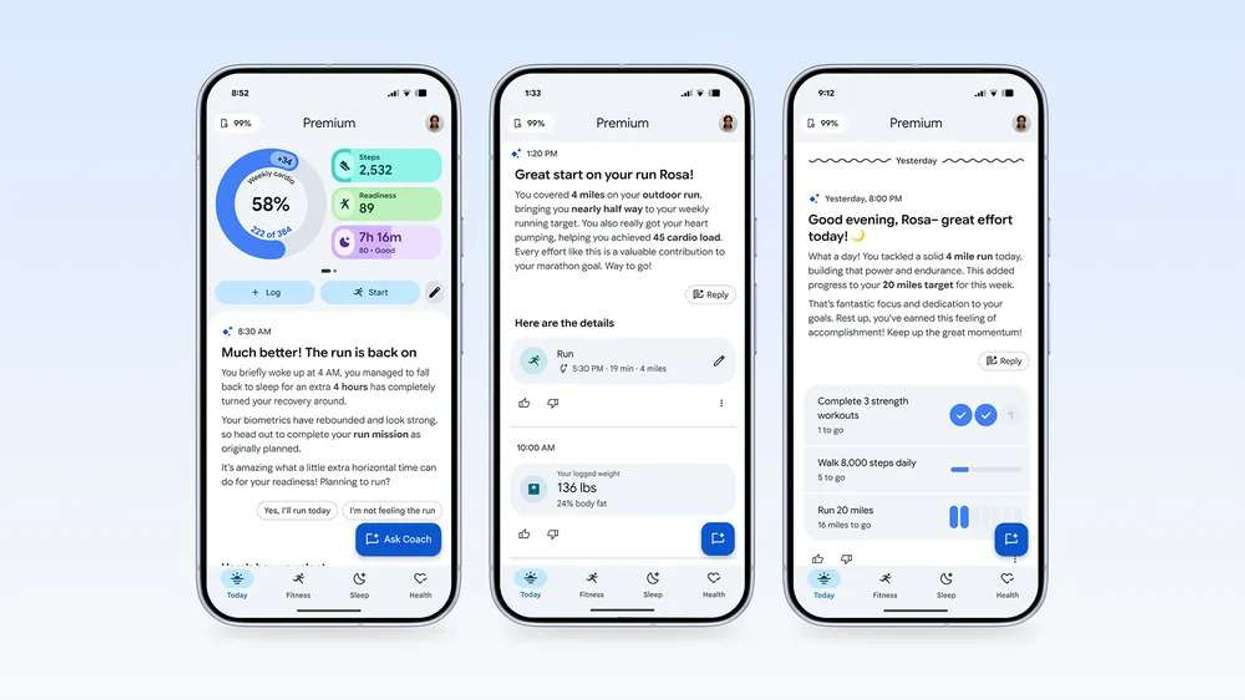 Advanced AI features unlocked through optional Google Health Premium subscriptionGoogle Health
The new Google Health app will offer some advanced features through a paid plan called Google Health Premium.
Things like AI coaching and more detailed health advice will be part of a subscription starting at $9.99 per month. This shows a shift from free fitness tracking to paid, advanced health services.