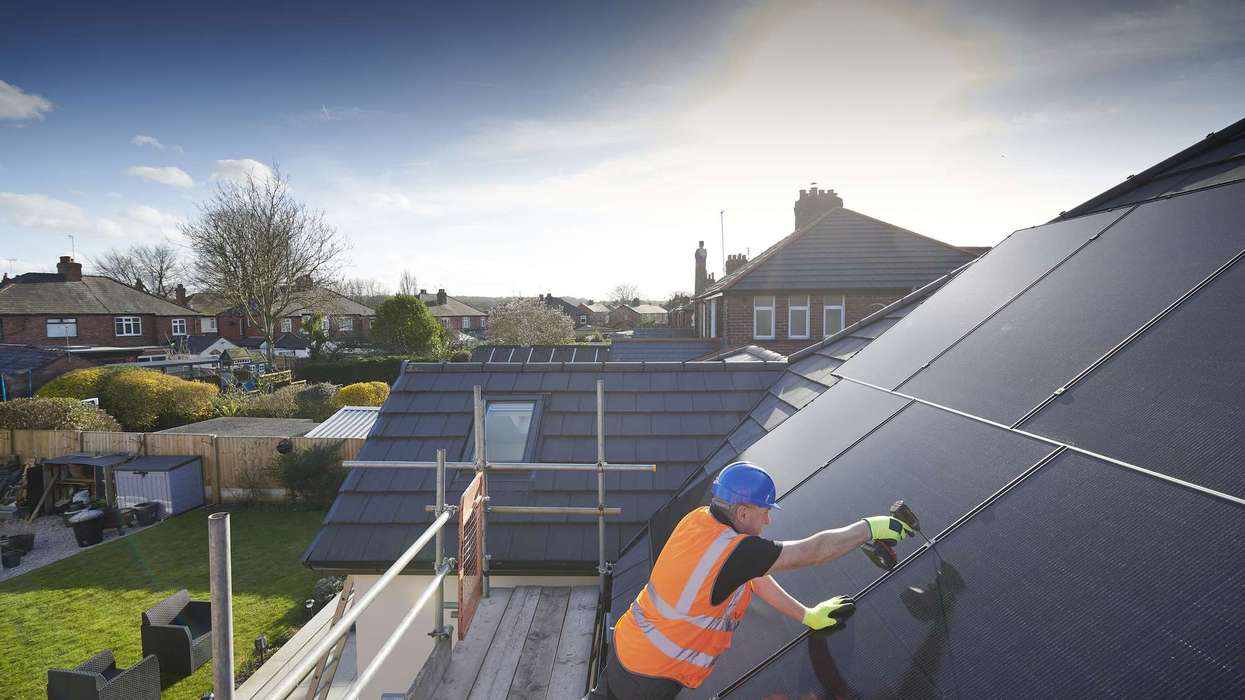

- Plug-in solar panels will go on sale in the UK from August 27 following a legal change.
- The DIY systems are expected to cost from around £400 and could save households up to £110 a year.
- Retailers including Currys, B&Q and Asda are expected to stock the products.
A £400 plug-in solar panel could soon offer some UK households a simpler way to cut their energy bills, after the government cleared the way for DIY solar systems to go on sale later this summer.
From August 27, households will be able to buy plug-in solar panels that connect directly to a standard three-pin socket, removing the need for professional installation. The change is expected to make home solar power available to many renters, flat owners and people without suitable rooftops, who have largely been excluded from traditional rooftop solar.
The government approved the legal change last week, allowing major retailers such as Currys, B&Q, Asda, Screwfix, Wickes and Amazon to sell the systems after working with officials to develop safety guidance.
The compact solar units are expected to retail from around £400. Depending on electricity use and sunlight, they could reduce annual energy bills by between £70 and £110, meaning households may recover the upfront cost in around four to seven years.
Small panels, bigger opportunities
Known across parts of Europe as balcony solar panels or "balcony power plants", the systems have become increasingly common in countries including Germany and Spain.
Unlike conventional rooftop solar installations, which require specialist fitting, plug-in panels generate electricity that flows straight into a home's electrical circuit through a standard wall socket. The electricity can then be used immediately to power appliances, reducing the amount drawn from the National Grid during daylight hours.
Most systems have a capacity of around 800 watts, roughly one-fifth the size of a typical residential rooftop installation. While they are not designed to meet all of a household's electricity needs, they can help lower everyday energy costs.
The legislation arrives as demand for home renewable energy continues to grow. The UK recorded a record 269,000 solar installations last year, more than one-third higher than the previous year and the equivalent of installing a new rooftop solar system every two minutes.
Chris Hewett, chief executive of Solar Energy UK, reportedly said the legal change would bring "cheap, clean power" to households that had previously been unable to benefit from solar energy, as quoted in a news report. He added that the industry was working with the government to ensure the products are safe and reliable.
More than just solar panels
The new rules could also pave the way for plug-in home batteries, allowing households to store electricity for use when demand is higher or after sunset.
According to reports, the government is considering proposals to bulk-buy plug-in battery systems and distribute them to lower-income households. When paired with plug-in solar panels, the batteries could store electricity generated during the day for use in the evening, helping households rely less on grid electricity.
Rob Hallifax, co-founder of Windfall Energy, reportedly said the legislation marked an important step towards making renewable energy more accessible for renters, flat owners and households that have previously had limited options, as quoted in a news report.
He also cautioned that buyers should keep their expectations realistic. Solar generation naturally falls during autumn and winter, and households will still need access to a sunny balcony, terrace or another suitable outdoor space. In some cases, permission from a landlord or freeholder may also be needed before installing the panels.