
SOUTH ASIAN families have been urged to cut back on sugar to help tackle growing rates of childhood obesity.
Indian, Pakistani and Bangladeshi children aged 10 and 11 years old were most likely to be overweight or obese, latest data shows. According to Public Health England (PHE), children have already exceeded the maximum recommended sugar intake for an 18 -year old by the time they reach their 10th birthday.
To help parents manage this, national social marketing campaign Change4Life is encouraging them to “make a swap when you next shop”.
Making simple swaps from products such as yoghurt, drinks and breakfast cereals could remove around 2,500 sugar cubes per year from a child’s diet.
Swapping chocolate, puddings, sweets, cakes and pastries for healthier options such as malt loaf, sugar-free jellies, lower-sugar custards and rice puddings would reduce their intake even more.
Orla Hugueniot, campaigns nutritionist at PHE, said severe obesity in ten-to-eleven year olds has now reached an all-time high.
“Overweight or obese children are more likely to be overweight or obese as adults, increasing their risk of heart disease and some cancers, while more people than ever are developing Type 2 diabetes. Overweight or obese children are more likely to be bullied and have low self- esteem. Excess sugar can also lead to painful tooth decay,” said Hugueniot.
Nutritionist Azmina Govindji said grandparents can play a significant role in their grandchildren’s diet. “We recognise that change has to come from the whole family and not just parents. That’s why the Change4Life campaign will be taking this message to the heart of the community, including places of worship, to encourage everyone to support healthier choices.”
Supporting the campaign, chef and author Anjula Devi said: “Most South Asian households will have a blend of western and cultural foods in their homes which can lead to a high consumption of sugary products. When I cook, I try to reduce the amount of sugar and salt content in my cooking and make swaps using low fat/sugar products where I can so we can enjoy the best of both worlds.”





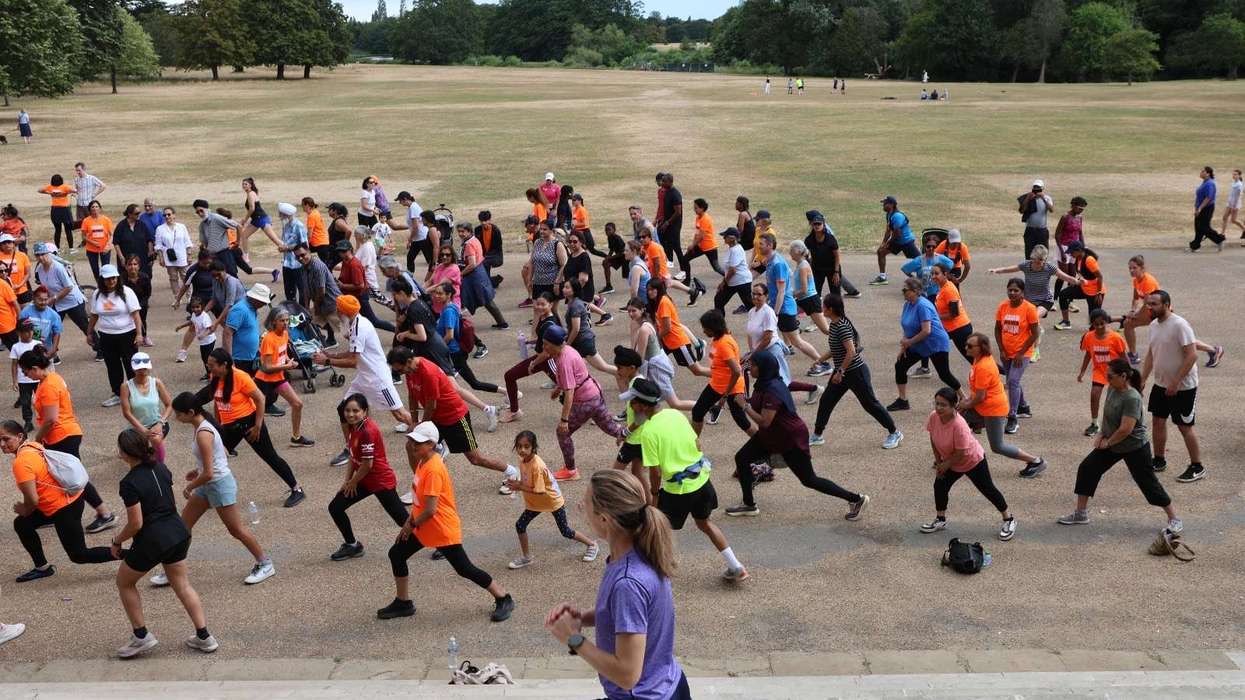
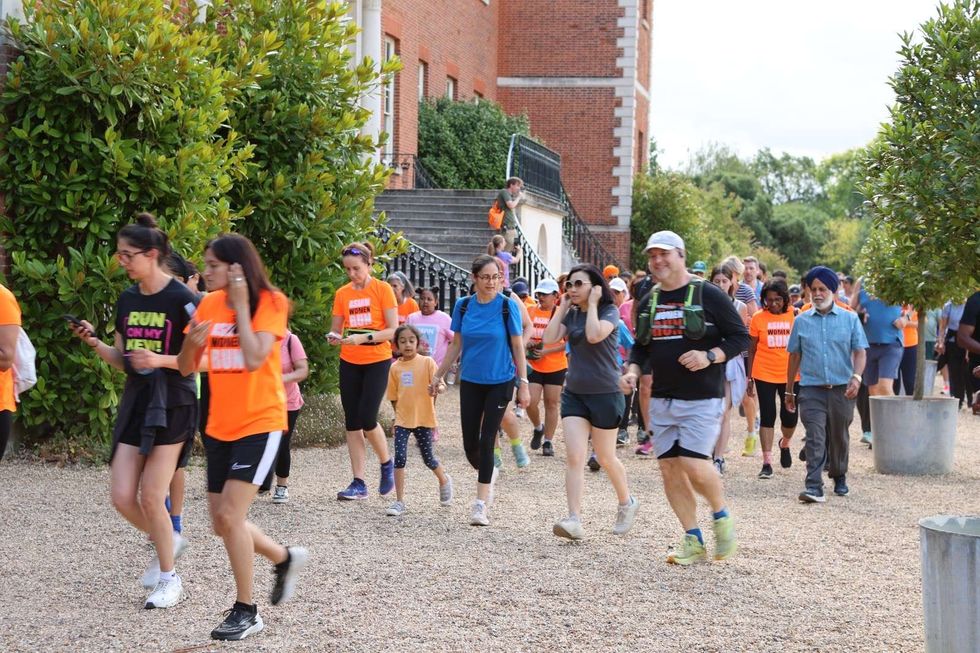 Participants set off on the 5K and 10K routesMinreet Kaur
