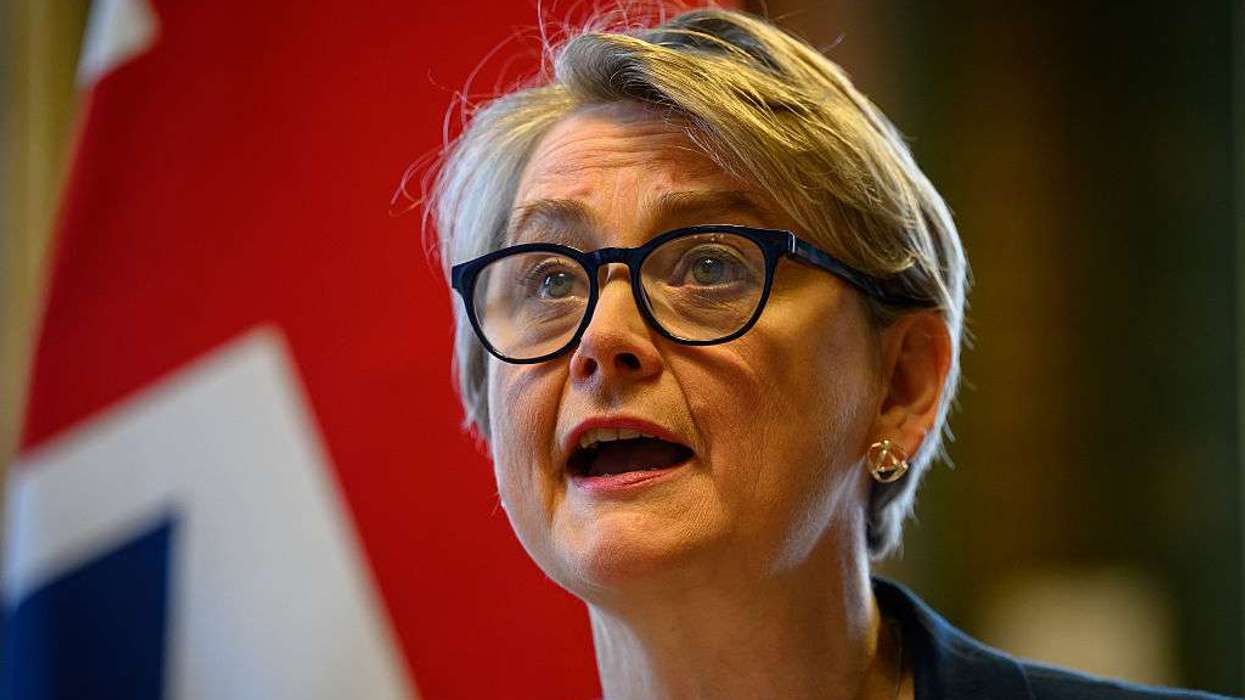

FOREIGN SECRETARY Yvette Cooper said on Thursday (9) that Israel's attacks on Lebanon were "deeply damaging" and risked undermining the ceasefire between the US and Iran.
"We want to see Lebanon included in the ceasefire," Cooper told Times Radio. "We want it extended to cover Lebanon, because otherwise that will destabilise the whole region. That escalation that we saw from Israel yesterday was deeply damaging, and we want to see an end to hostilities."
Cooper also criticised the tone of American rhetoric during the conflict. Asked about strains with Washington, she said Britain could maintain close ties with the US while taking a different approach in the region. However, she said president Donald Trump's threat to destroy Iran's civilisation had been dangerous.
"I think that the rhetoric that we've seen used has been completely wrong," she told Sky News. "That sort of escalatory rhetoric can have escalatory consequences."
Britain has faced criticism from Trump for not providing more support for Washington's war on Iran, which began on February 28. London has since worked with other countries on efforts to reopen the Strait of Hormuz, which has remained largely closed since the conflict began, disrupting global supplies of oil, liquefied natural gas and fertiliser.
Cooper was expected later on Thursday to call on international partners to restore freedom of navigation through the strait without delay.
"We should start immediately to get international shipping moving again by supporting the International Maritime Organisation's proposals to move the ships trapped in the Strait, and the 20,000 stranded seafarers," she was due to tell business leaders, according to the Foreign Office.
"The fundamental freedoms of the seas must not be unilaterally withdrawn or sold off to individual bidders. Nor can there be any place for tolls on an international waterway," she was set to add.
Traffic through the strait remained limited on Wednesday (8) despite the ceasefire announcement. Iran on Thursday said it had proposed alternative routes for ships, citing the risk of sea mines.
Prime minister Keir Starmer, who met Saudi Arabia's Crown Prince Mohammed bin Salman in Jeddah on Wednesday, set out how efforts "must now be focused on upholding the ceasefire and turning it into a lasting peace," according to a Downing Street spokesperson. He also discussed Britain's efforts to plan the steps needed to restore confidence for shipping through the strait.
The Gulf visit follows a virtual meeting on Tuesday (7) of military planners from over 30 countries, hosted by Britain.
(Agencies)