
COULD what has happened in the Indian general election be repeated in Britain?
It was predicted that prime minister Narendra Modi’s Bharatiya Janata Party (BJP) would easily cross 350 in a 543-seat Lok Sabha (lower house of parliament) and might even get to 400.
Clearly, this hasn’t happened, and the exit polls have proved wildly inaccurate. One should never underestimate the ability of the Indian electorate to spring surprises. In all, 642 million people voted out of an eligible electorate of 969 million. Given the extreme heat during the seven phases of the polls, a turnout of 66 per cent suggests people did understand their vote was important.
There are a lot of questions to which the answers are unclear. Modi, who will be 74 in September, will be touching 80 by the time of the next general election. Will he want to step down or carry on? What sort of India will emerge in the next five to 10 years? What will the 2024 result mean for the diaspora, especially the 2.5 million people of Indian origin in this country?
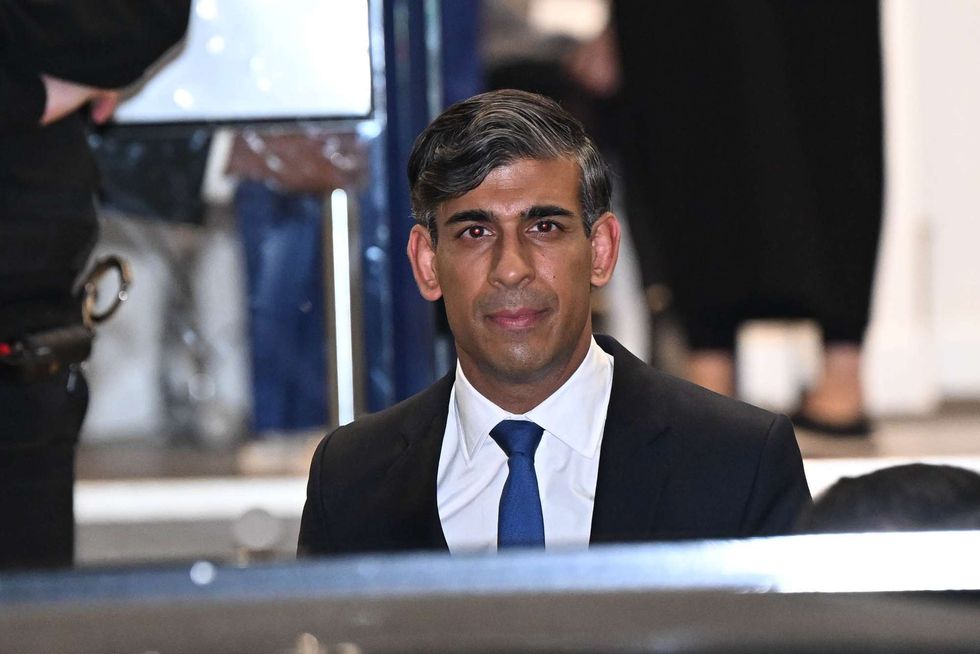
Can there be surprises in the UK as well? Conservative prime minister Rishi Sunak is still only 44. Polls and various commentators predict the Tories may be reduced to 60 seats. Labour’s Sir Keir Starmer is expecting a majority of anything up to 200.
In the past, Pakistani-origin voters have generally gone for Labour. But will that happen this time? Starmer has shown utter disdain for Muslims who agonised over the Israeli government’s indiscriminate slaughter of Palestinian women and children as revenge for Hamas’s brutal attack on October 7. It’s 40,000 and counting versus 1,200. Starmer has failed to see that a ceasefire would be good for Britain, where a small Jewish population of about 170,000 has been pitched against some five million Muslims, with others taking sides.
Indians in the UK should be prepared for a significant drop in living standards under Labour. The party has never been supportive of aspirational Indians, which is why the Tories appeared to be a more attractive alternative. Indians should also abandon dreams of sending their children to private schools. With VAT imposed on those institutions, there won’t be room in state schools for displaced children. Instead of seeking to destroy private schools – this is simply the old politics of envy – it would be much better for Labour to say: “Our ambition is to make state schools as good as the best of the public schools.”
Starmer has not picked very many Indian candidates in winnable seats. Nor does he bother to have them in his top team There is absolutely no chance of a Rishi Sunak emerging from Labour ranks.

 Rishi SunakLeon Neal/Getty Images