
Highlights:
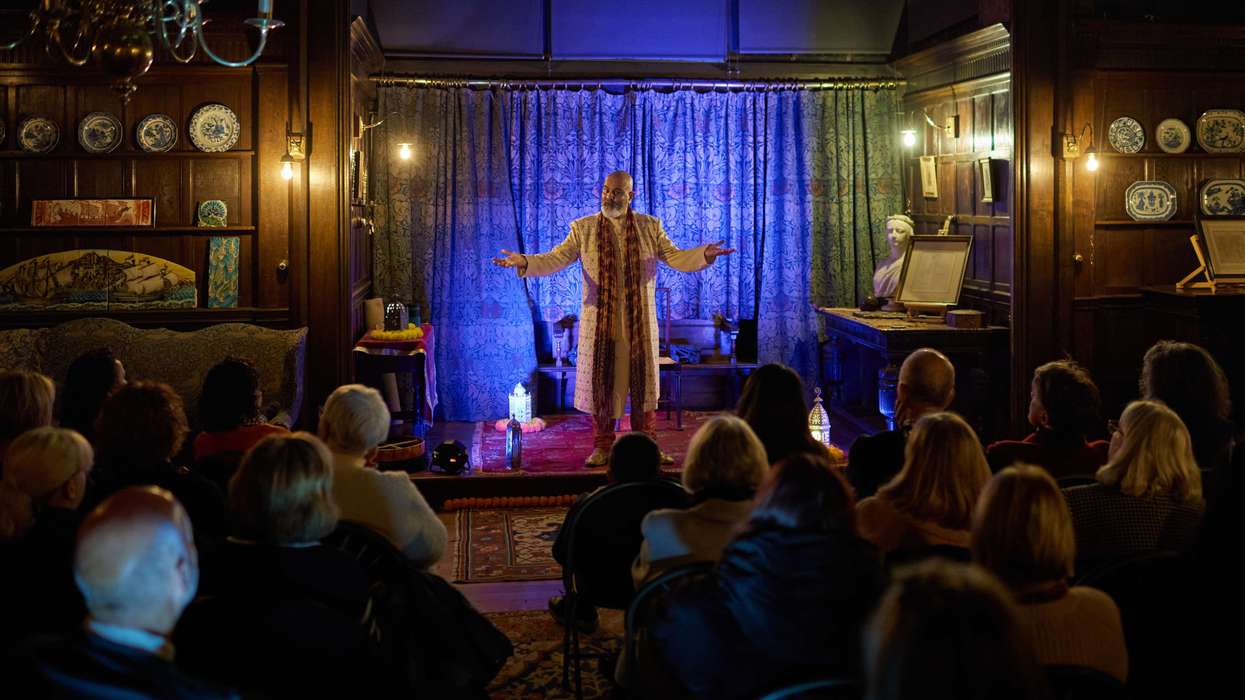
Wightwick Manor and Gardens in Wolverhampton will celebrate Diwali with two weeks of Indian-inspired installations, live music and storytelling, including a special event bringing together Halloween and the festival of lights.
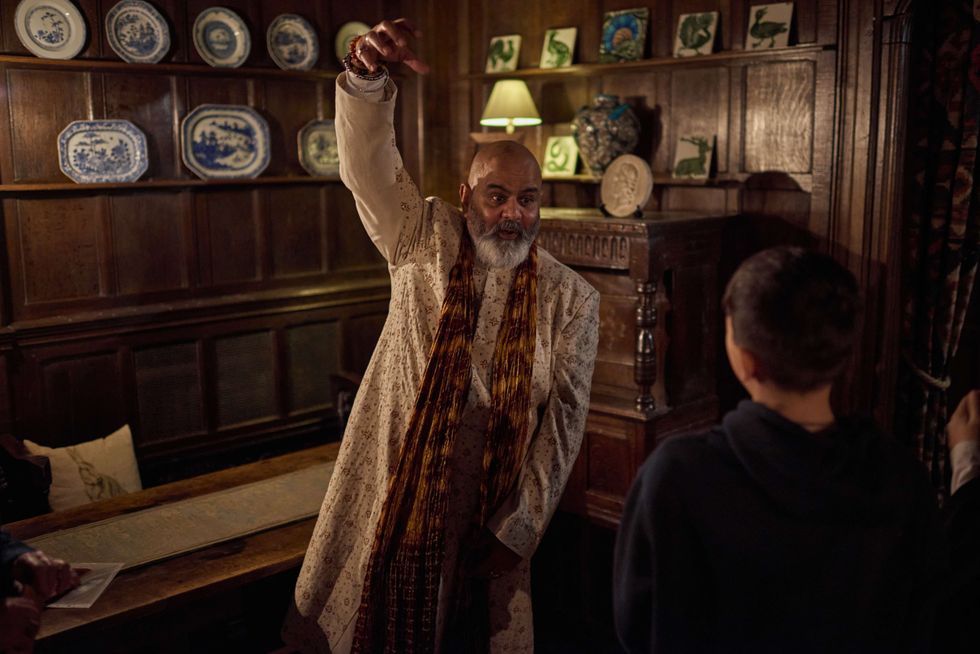
The National Trust property will host its second Diwali celebration from October 24 to November 8, with activities included in general admission. This year's programme features a new installation by local artist Kanj Nicholas, performances by Indian classical musicians and an evening of South Asian ghost stories led by British Punjabi storyteller Peter Chand.
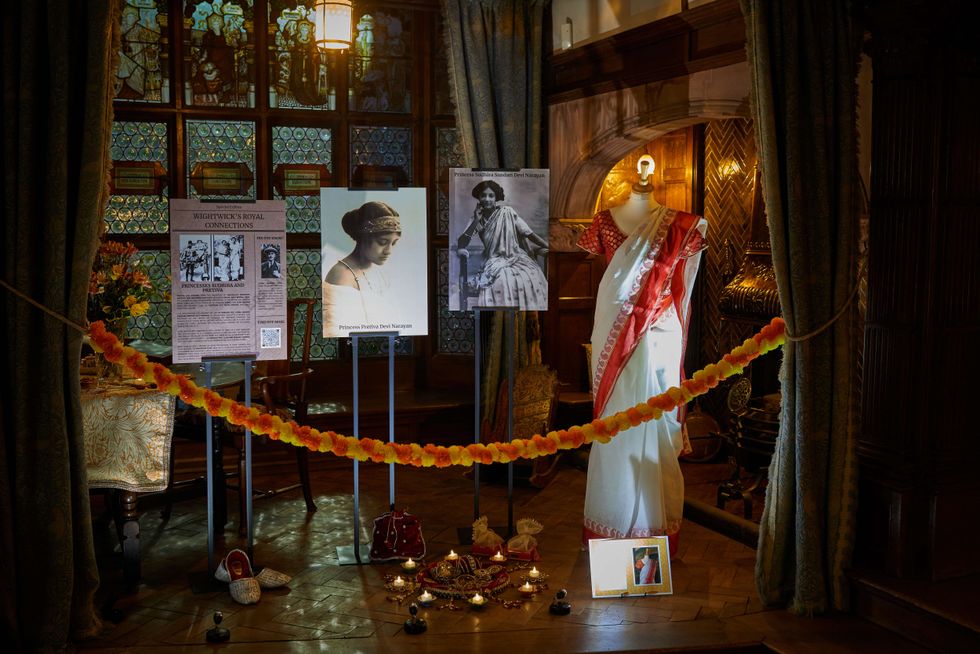
The celebrations will also explore the historic connections between Wightwick Manor and India, including links between the Mander family and the royal family of Cooch Behar in West Bengal.
 nationaltrustonline
Indian textiles and community art take centre stage
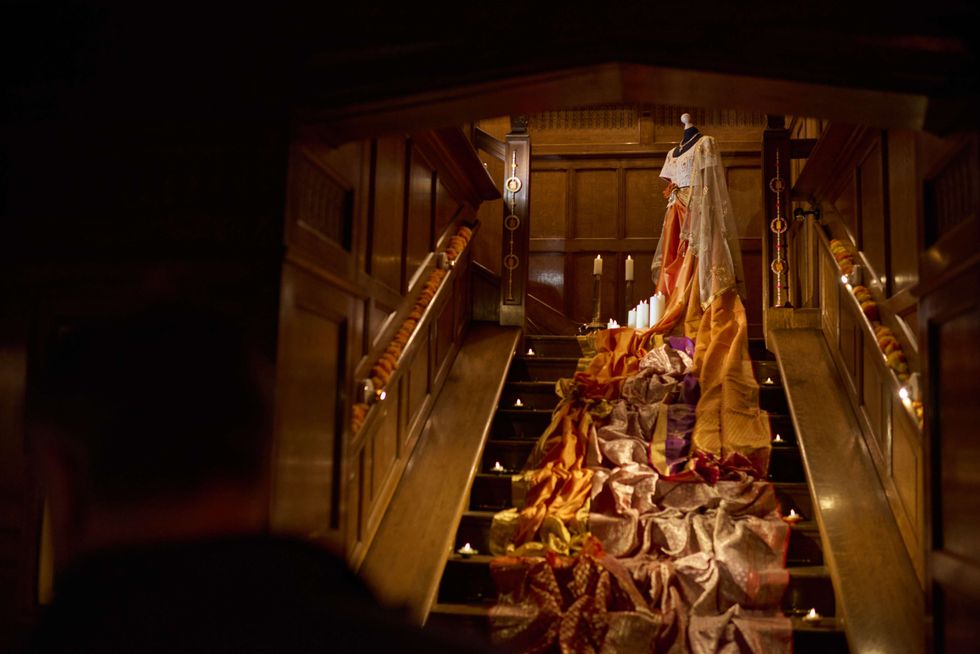
The new installation, Fusion Part 2: A Diwali Installation, will run throughout the celebrations. Nicholas has developed the work through community printing workshops, combining Wightwick's distinctive aesthetic with Indian textiles, bold colours and traditional motifs.
The installation aims to reinterpret Diwali through design, bringing Indian artistic influences into the historic manor. It will be free with general admission, with no separate booking required.
Live music will take place in the manor's Great Parlour on October 26-29 and November 6-7. Sitarist Chithrinie Nirupama will perform from October 26-28, followed by tabla and flute duo Soulful Sangeet, comprising Mendi Singh and Shubham Tageja, on October 29 and November 6-7.
Performances will run from noon to 3pm on each scheduled date and are included in general admission.
 nationaltrustonline
Diwali meets Halloween in ghost-story event
A special evening event, The Dark Forest – Ghost Stories at Diwali, will take place on October 30 and 31. Chand will share atmospheric stories from South Asia and beyond, exploring themes of light and darkness in the Great Parlour.
The event is designed for visitors aged 16 and over and includes dramatic lighting effects and jump scares. Chai and vegetarian samosas will be served during the interval.
Tickets cost £16.50, and advance booking is essential. The event brings together the seasonal atmosphere of Halloween with Diwali's themes of light overcoming darkness.
Wightwick's royal connections to India
The programme will also highlight the manor's connections with Cooch Behar. Two of Sir Geoffrey Mander's brothers, Lionel and Alan Mander, married Princess Prativa and Princess Sudhira, daughters of Maharajah Nripendra Narayan and Maharani Suniti Devi.
The connections provide a historical link between the West Midlands property and the former royal family of Cooch Behar, in present-day West Bengal.
Wightwick Manor was built between 1887 and 1893 for Theodore and Flora Mander. Their son Geoffrey inherited the property in 1900 and persuaded the National Trust to accept it in 1937, when the house was only around 50 years old.
 nationaltrustonline
Visitor information
Wightwick Manor and Gardens is open daily from 11am to 5pm during the celebration period. The last entry to the house is one hour before closing.
Admission starts at £18 for adults and £9 for children and includes access to the house, gardens, tea room, shop and De Morgan Gallery. The National Trust advises visitors to check its website for event details and booking information.
Further information is available at the National Trust's Wightwick Manor Diwali page.




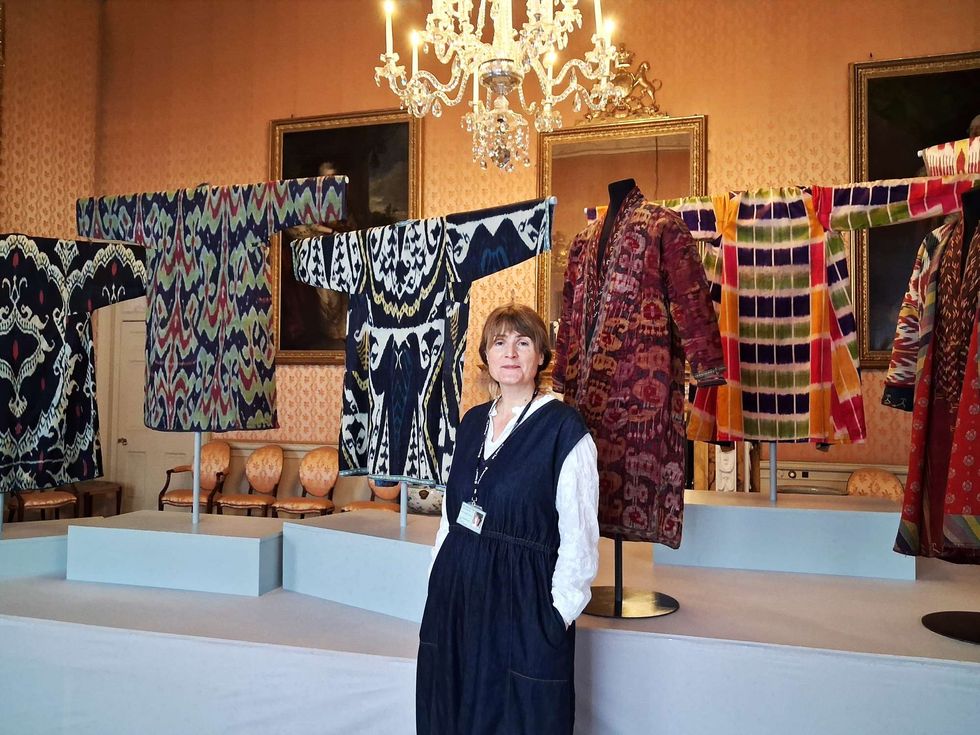 Curator Emma Slocombe with ikat robes and arabachi coats in the Peter the Great Room in Blickling Hall Amit Roy
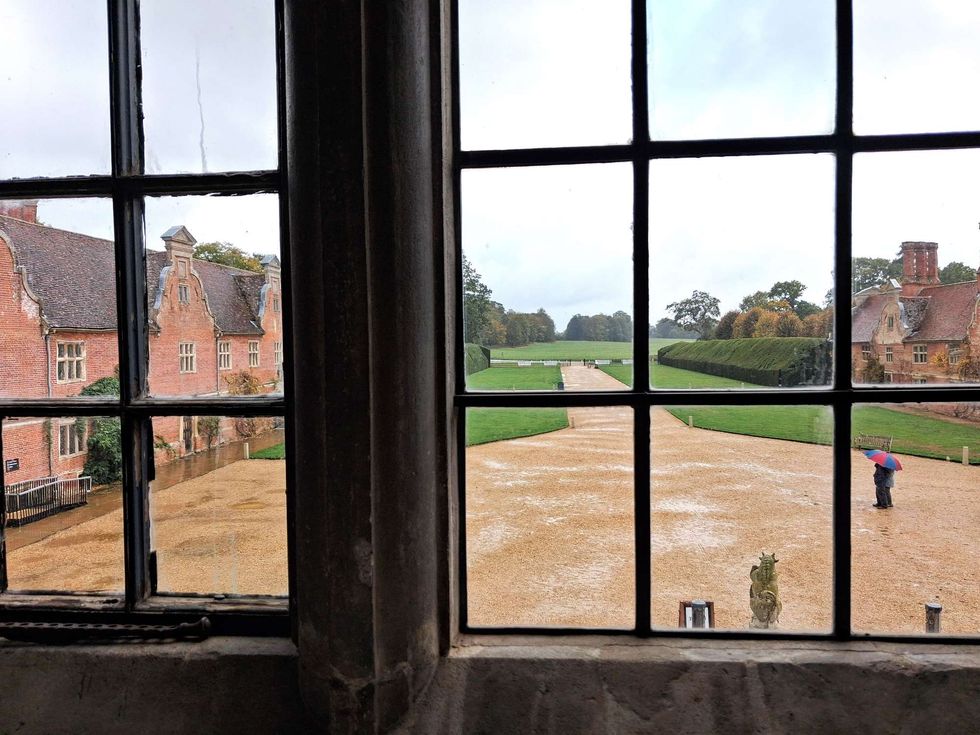 View of the entrance to Blickling Hall on a rainy autumn dayAmit Roy
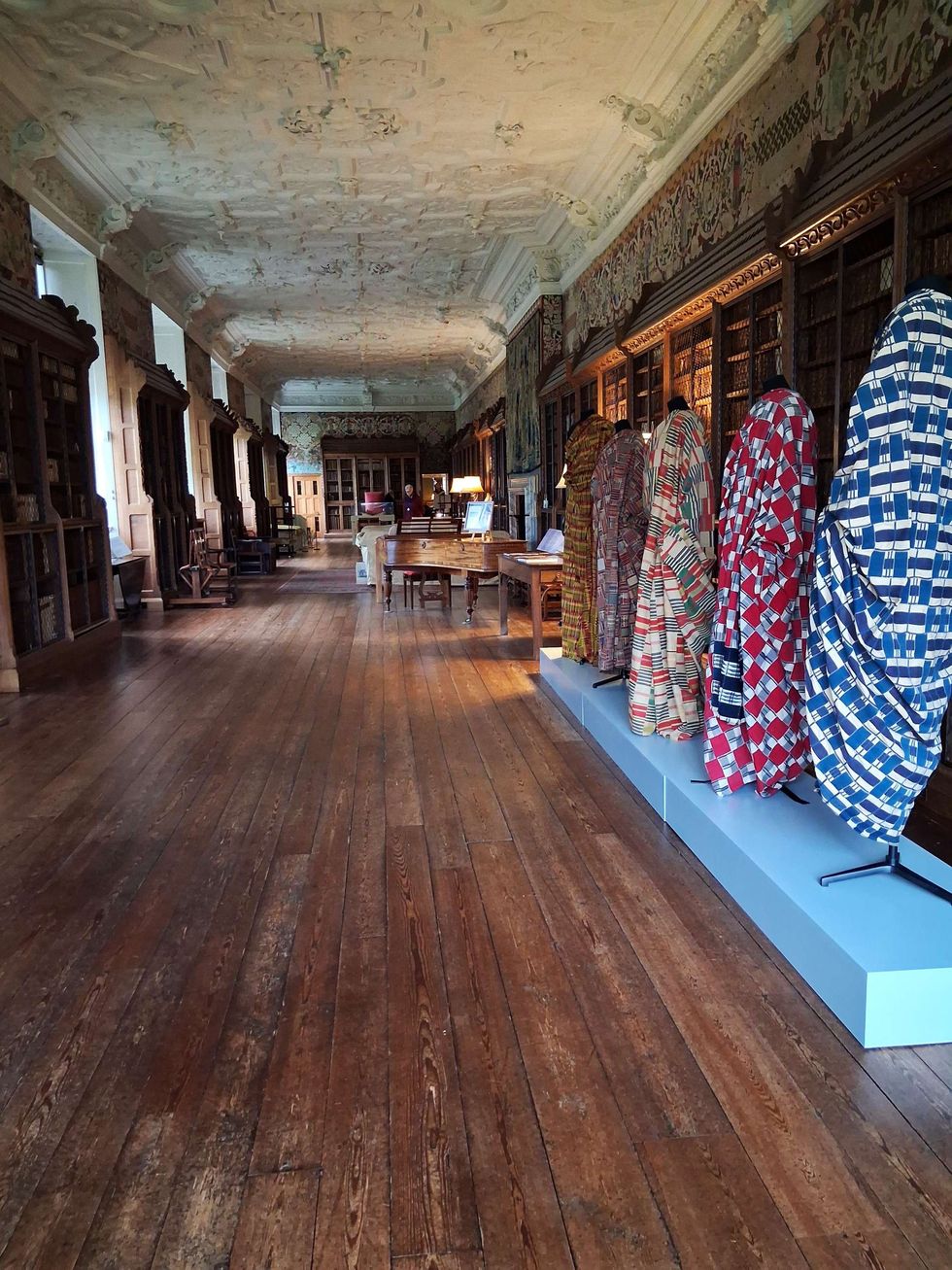 Kente cloth from Ghana in the Long Gallery in Blickling Hall
 Decoration in the Great Hall at Blickling Hall Amit Roy
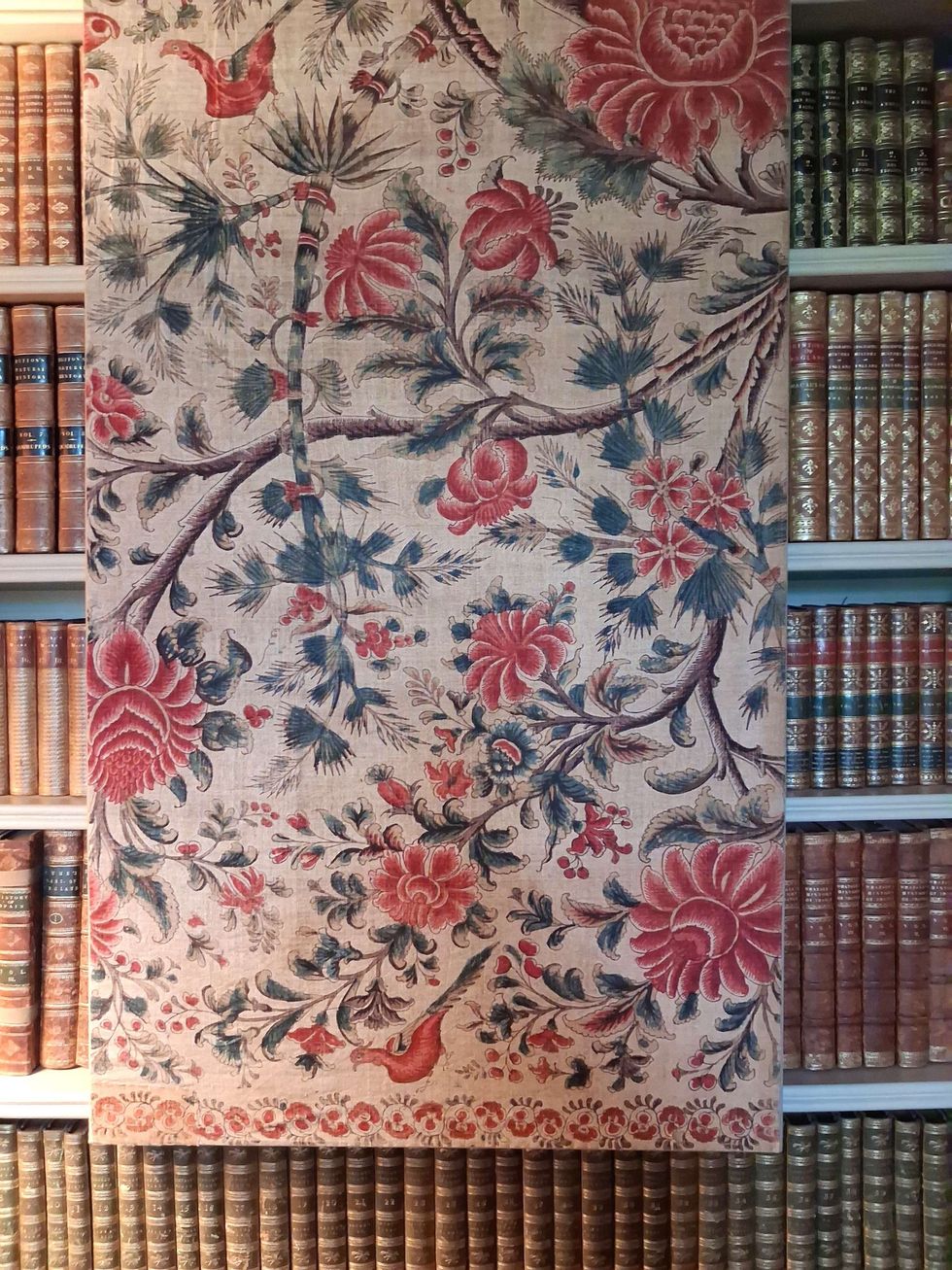 Palampore fragment made in coastal south-east India in the Brown Room in Blickling Hall Amit Roy
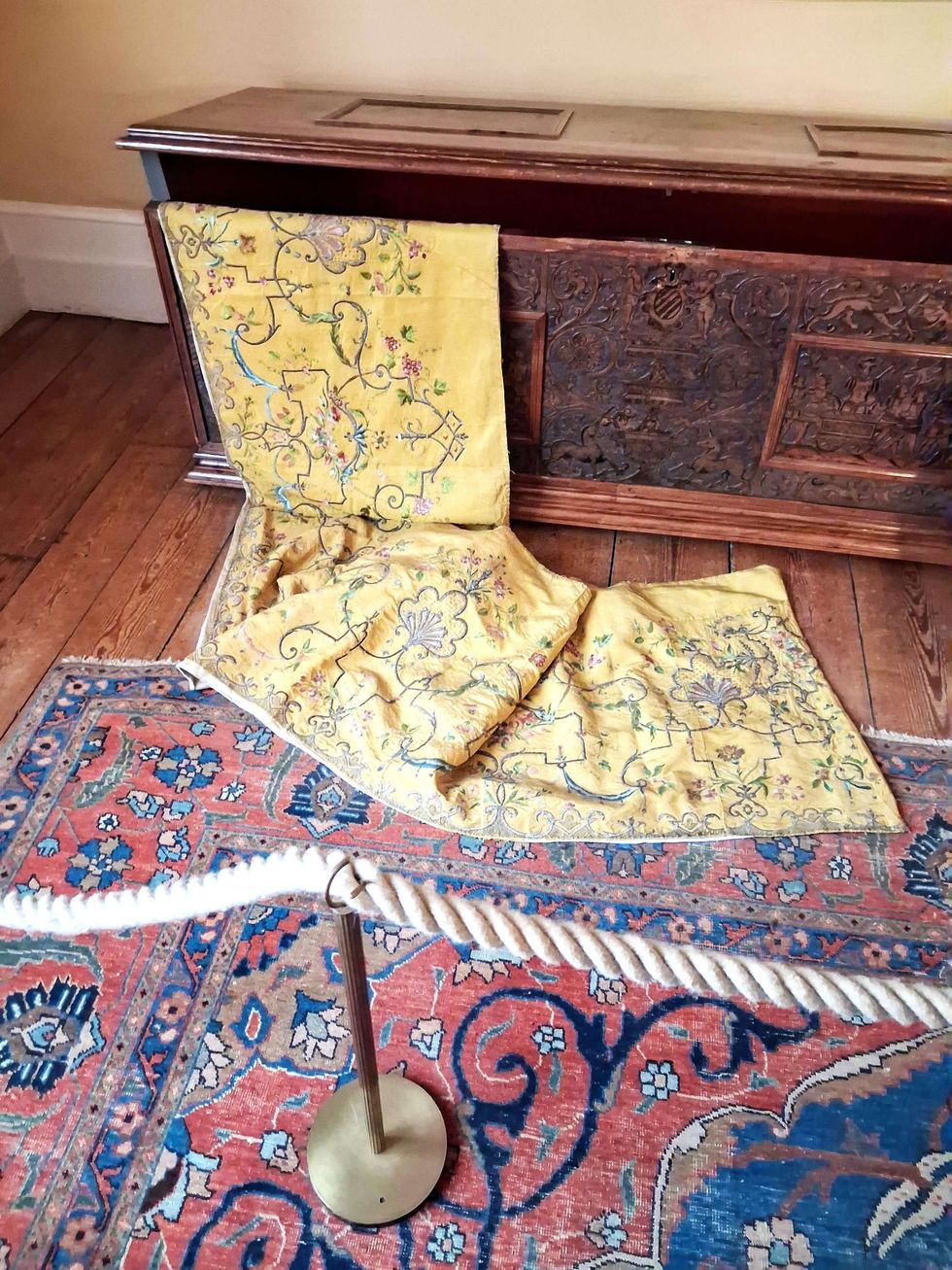 Bed valance dating from early 1700s in the Italian Print Room at Blickling Hall Amit Roy
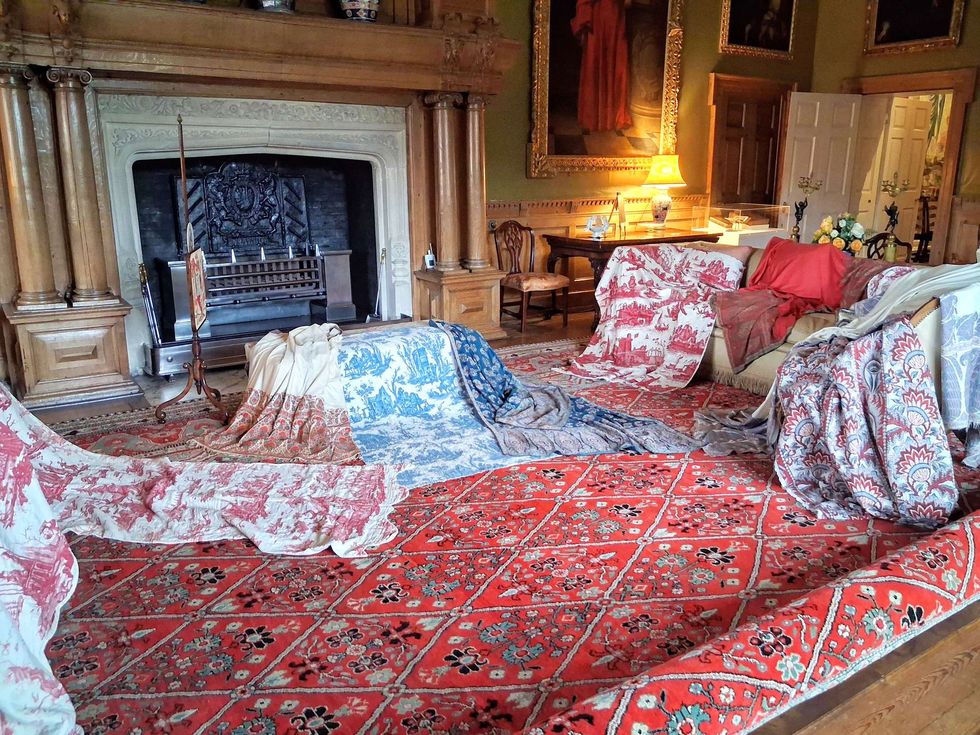 Indian inspired fabric draped on sofas in the South Drawing Room in Blickling Hall Amit Roy
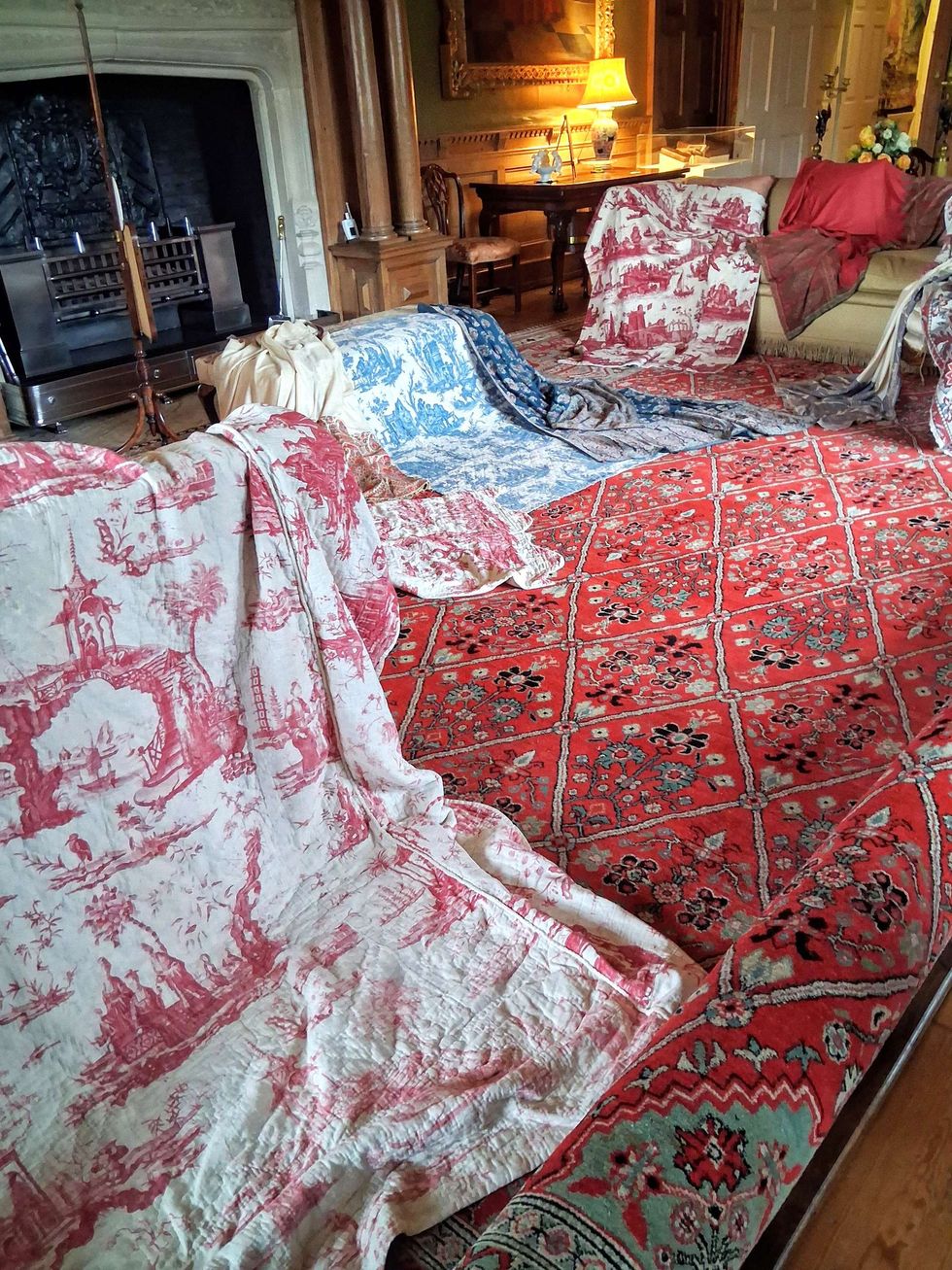 Indian inspired fabric draped on sofas in the South Drawing Room with Indian carpet in Blickling Hall Amit Roy
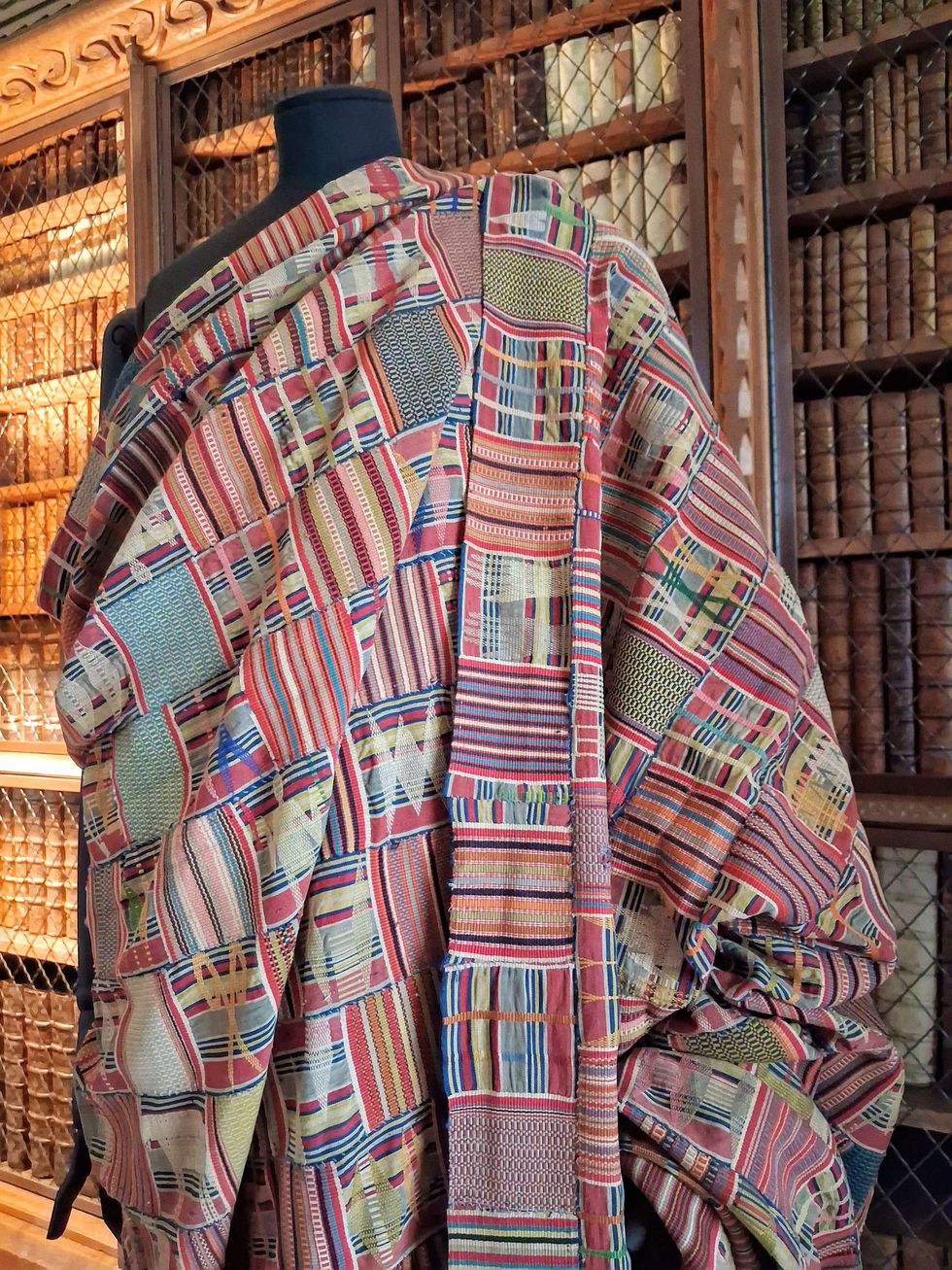 Karun Thakar has picked out the geometric patterns in the bookcase and the Kente cloth in the Long Gallery in Blickling Hall Amit Roy
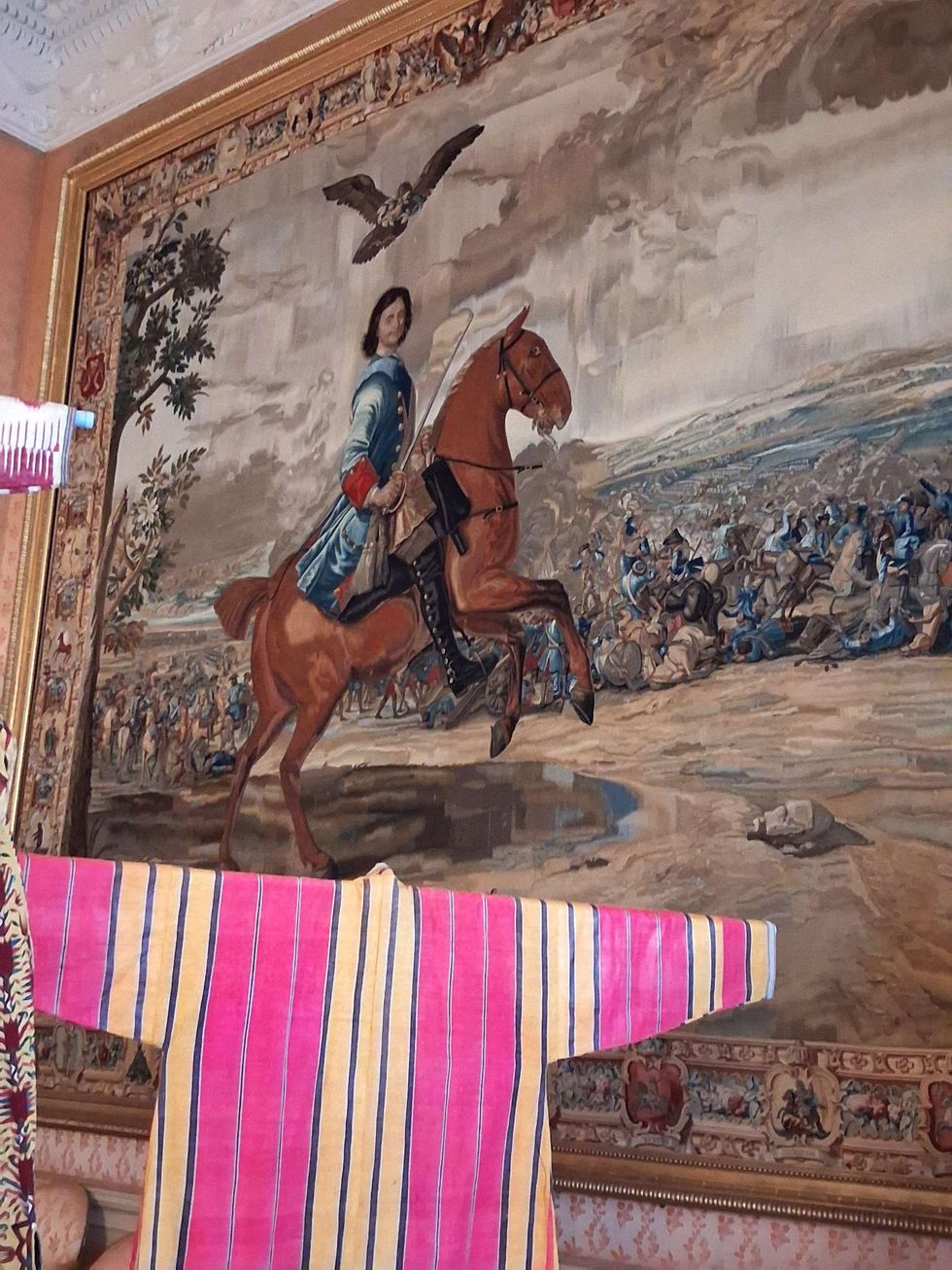 Large tapestry depicting Peter the Great defeating the Swedish army at the Battle of Poltava in 1709 Amit Roy
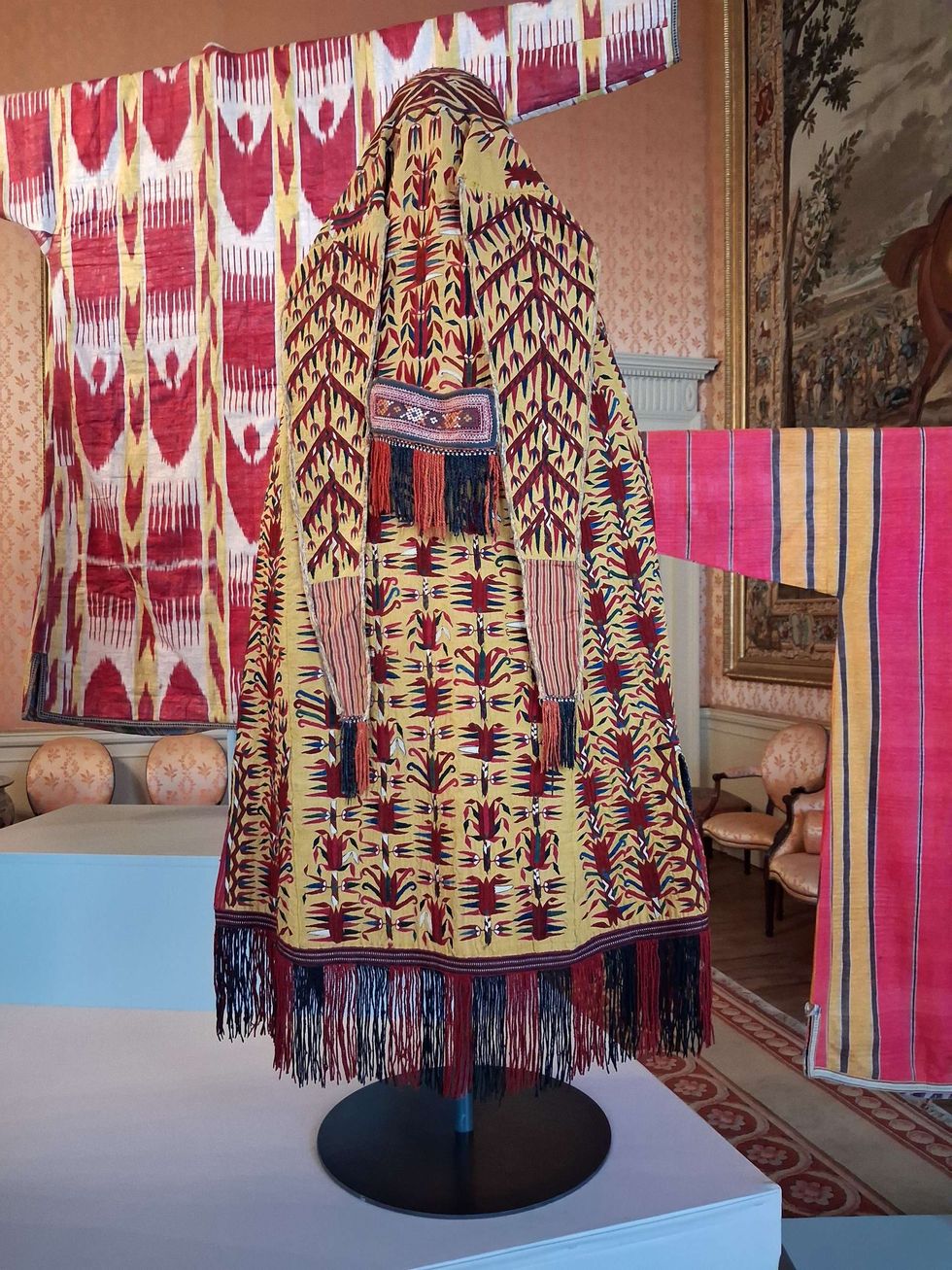 ikat robes and arabachi coats in the Peter the Great Room in Blickling Hall Amit Roy
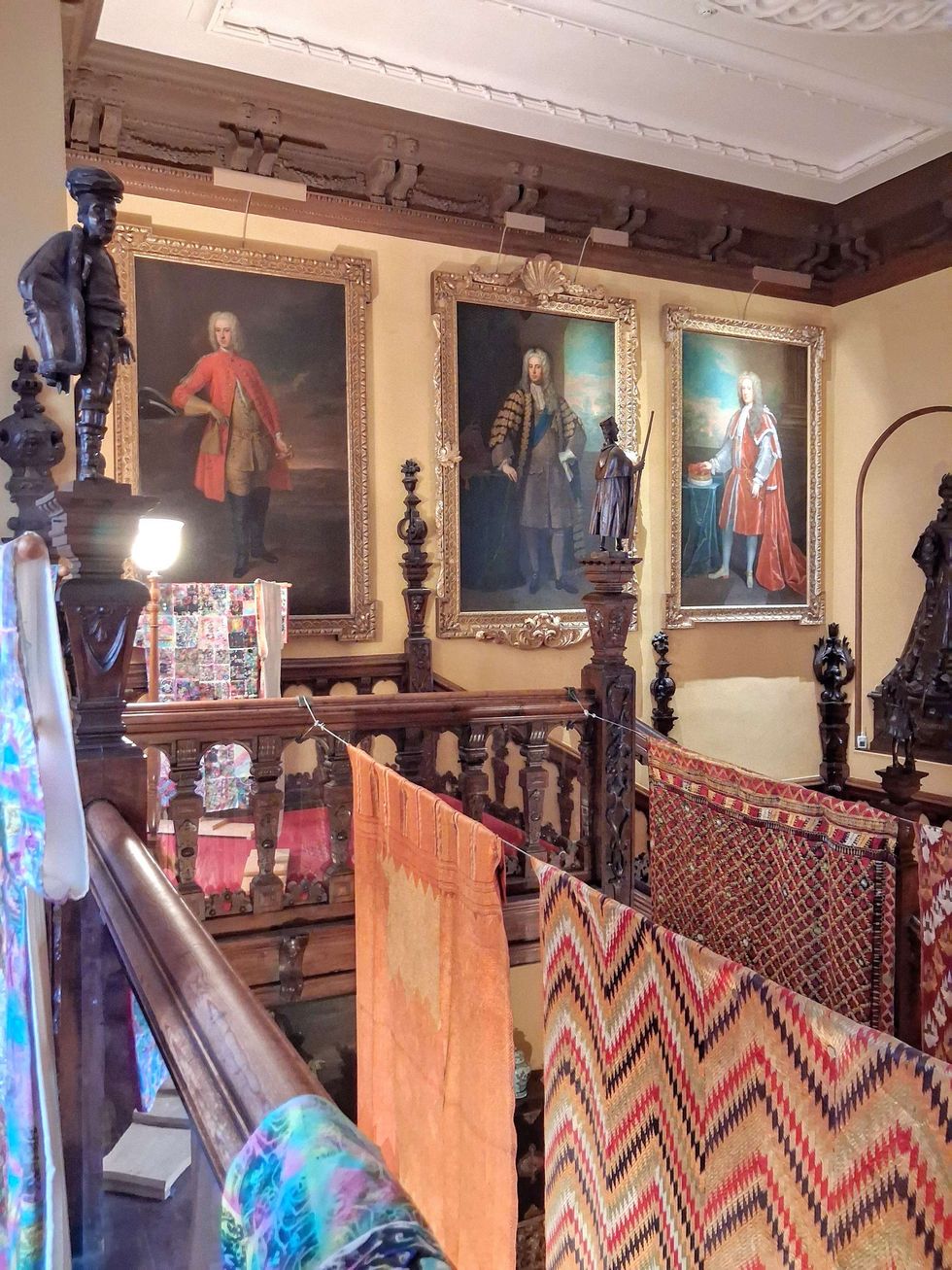 Baghs and kanthas made by women provide contrast to the men only portraits in the Great Hall at Blickling Hall Amit Roy
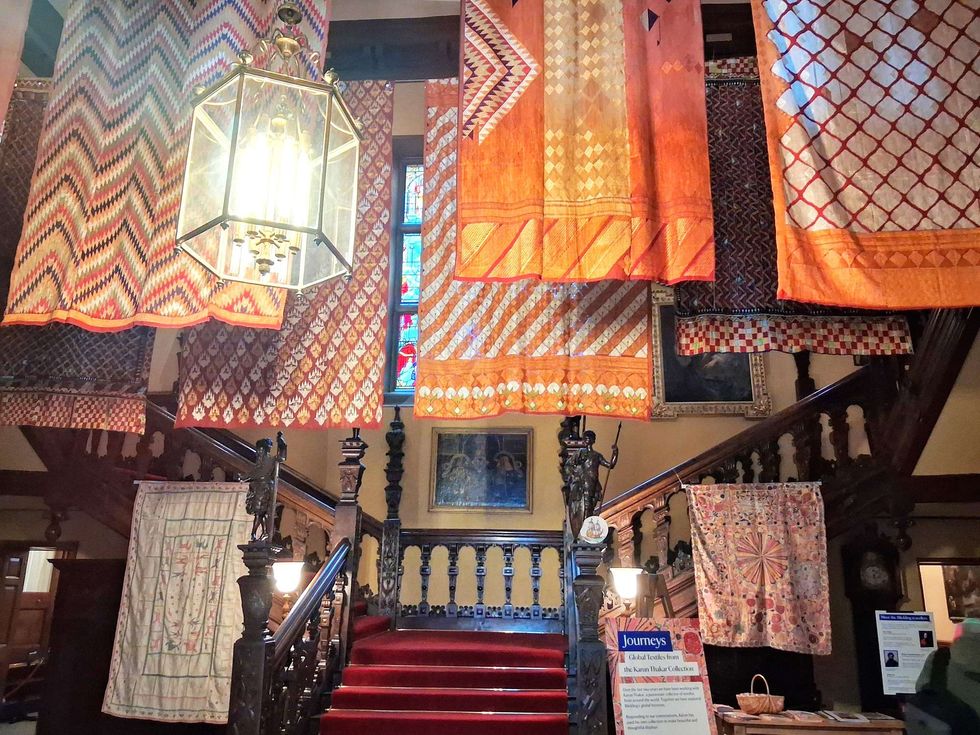 Baghs and kanthas in the entrance Great Hall at Blickling Hall Amit Roy
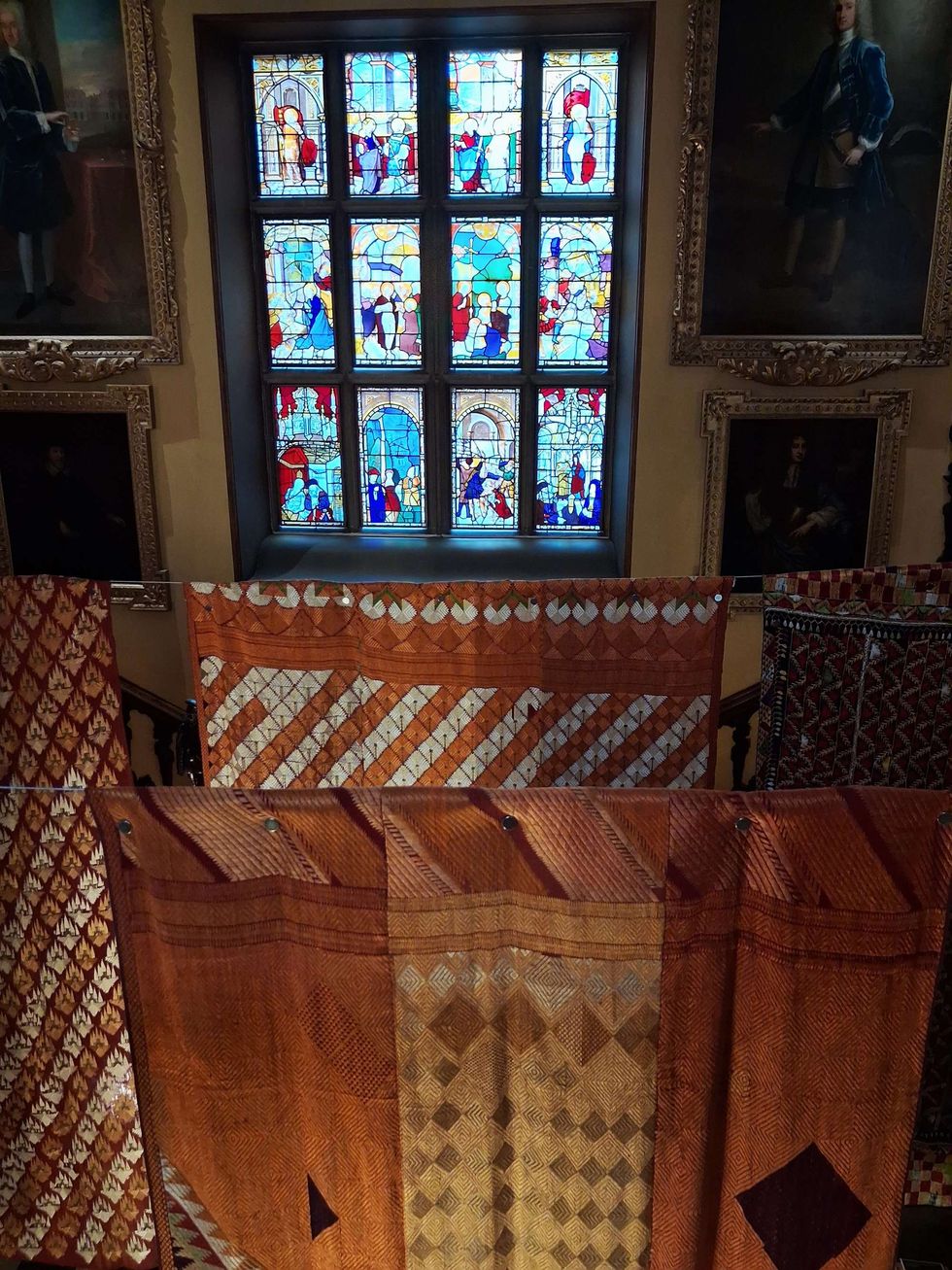 Baghs and Kanthas in the Great Hall in harmony with stained glass window at Blickling Hall Amit Roy
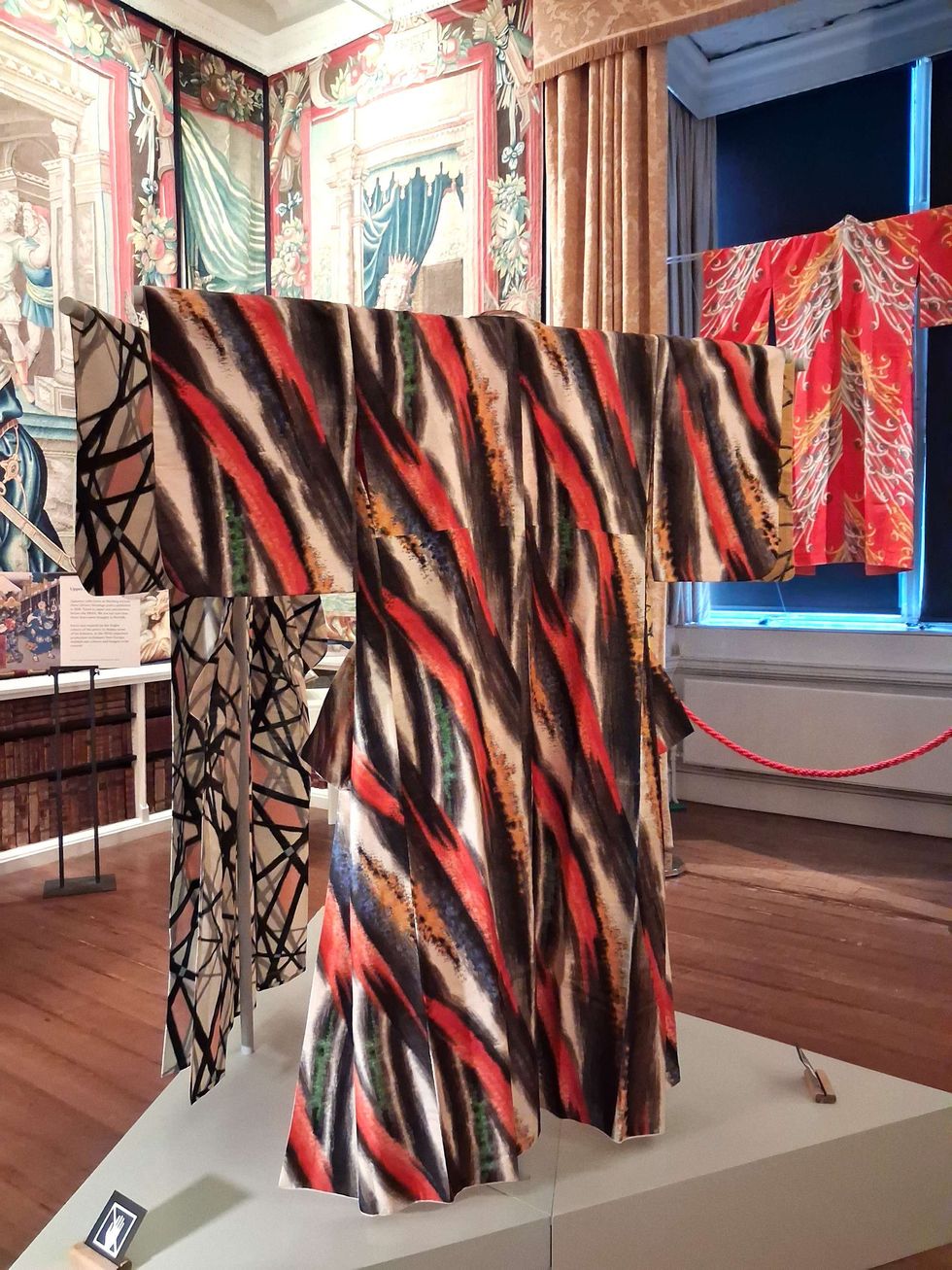 Kimonos reflect Japanese influence in Upper Ante Room in Blickling Hall Amit Roy
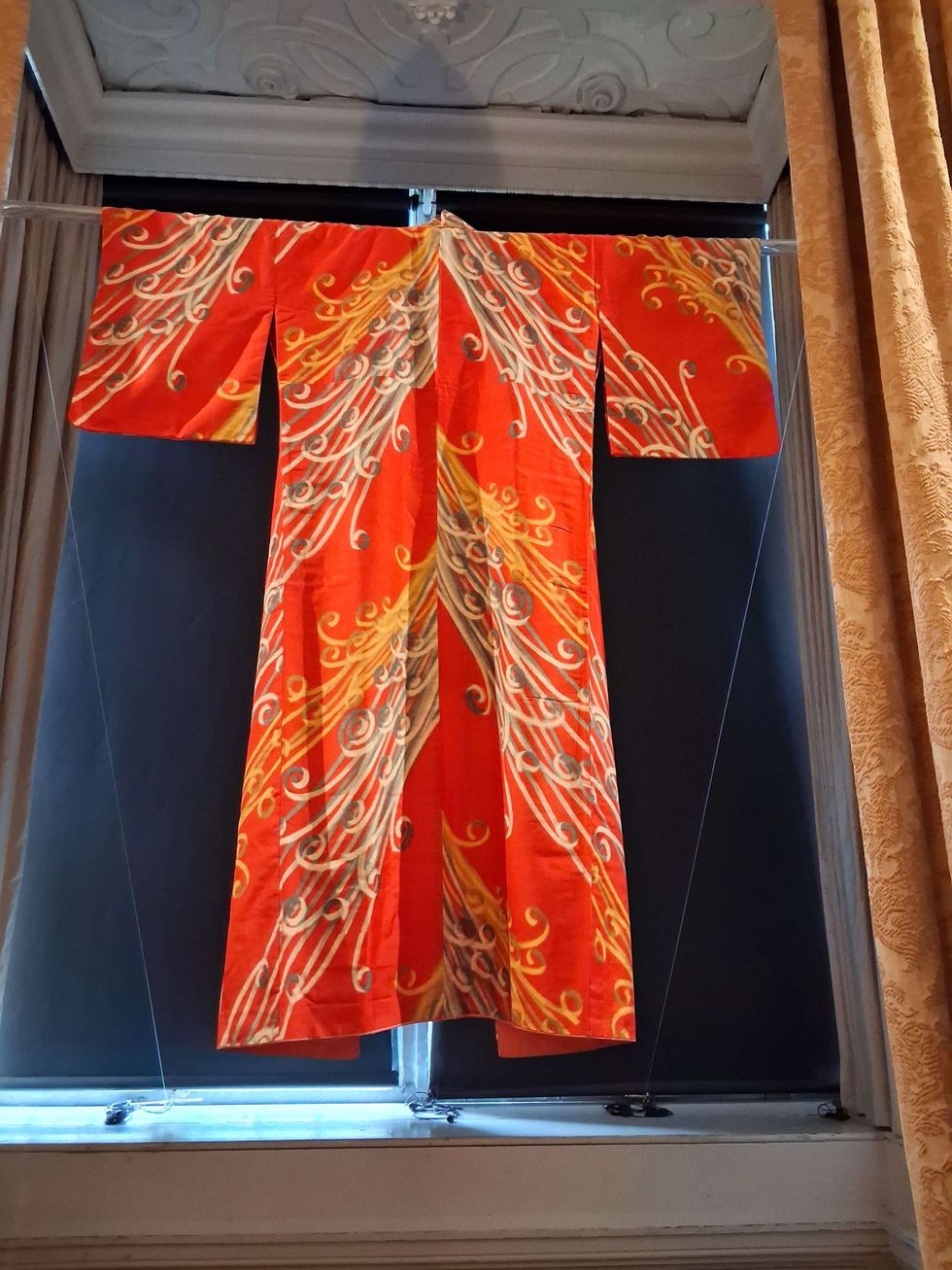 Kimono in Upper Ante Room in Blickling Hall
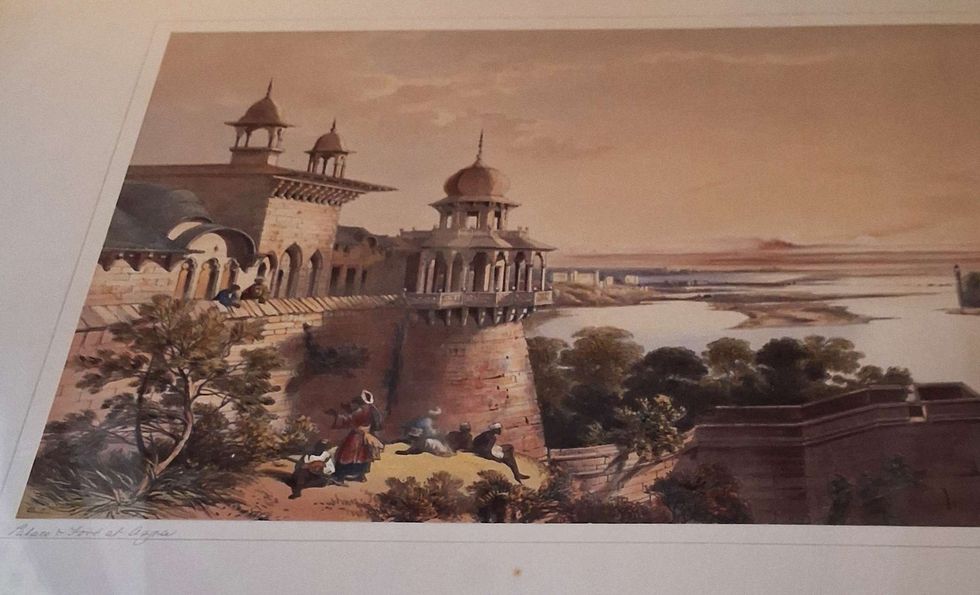 A view of the Palace and fort at Agra shows romantic side of India Amit Roy
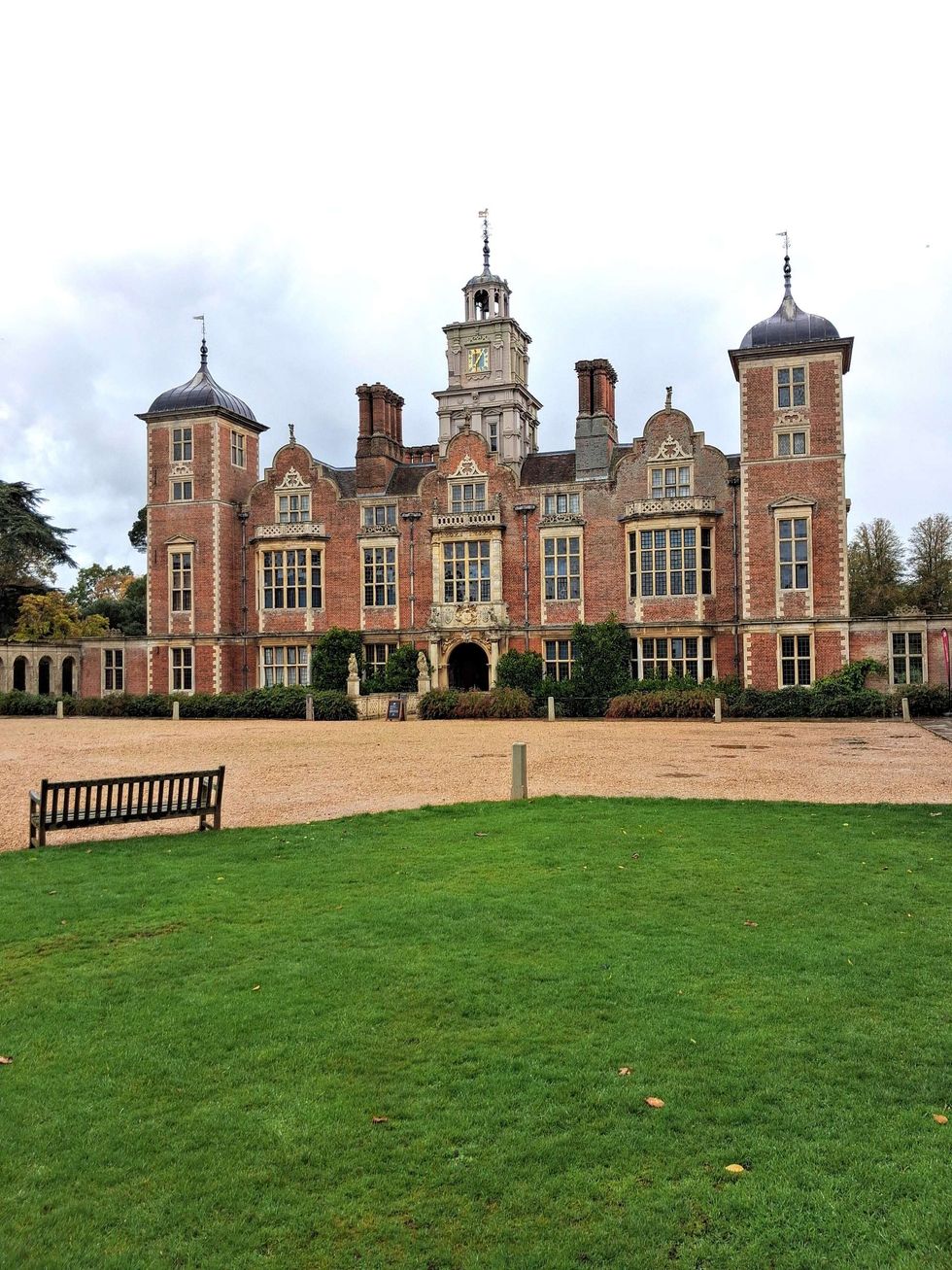 Blickling Hall Amit Roy
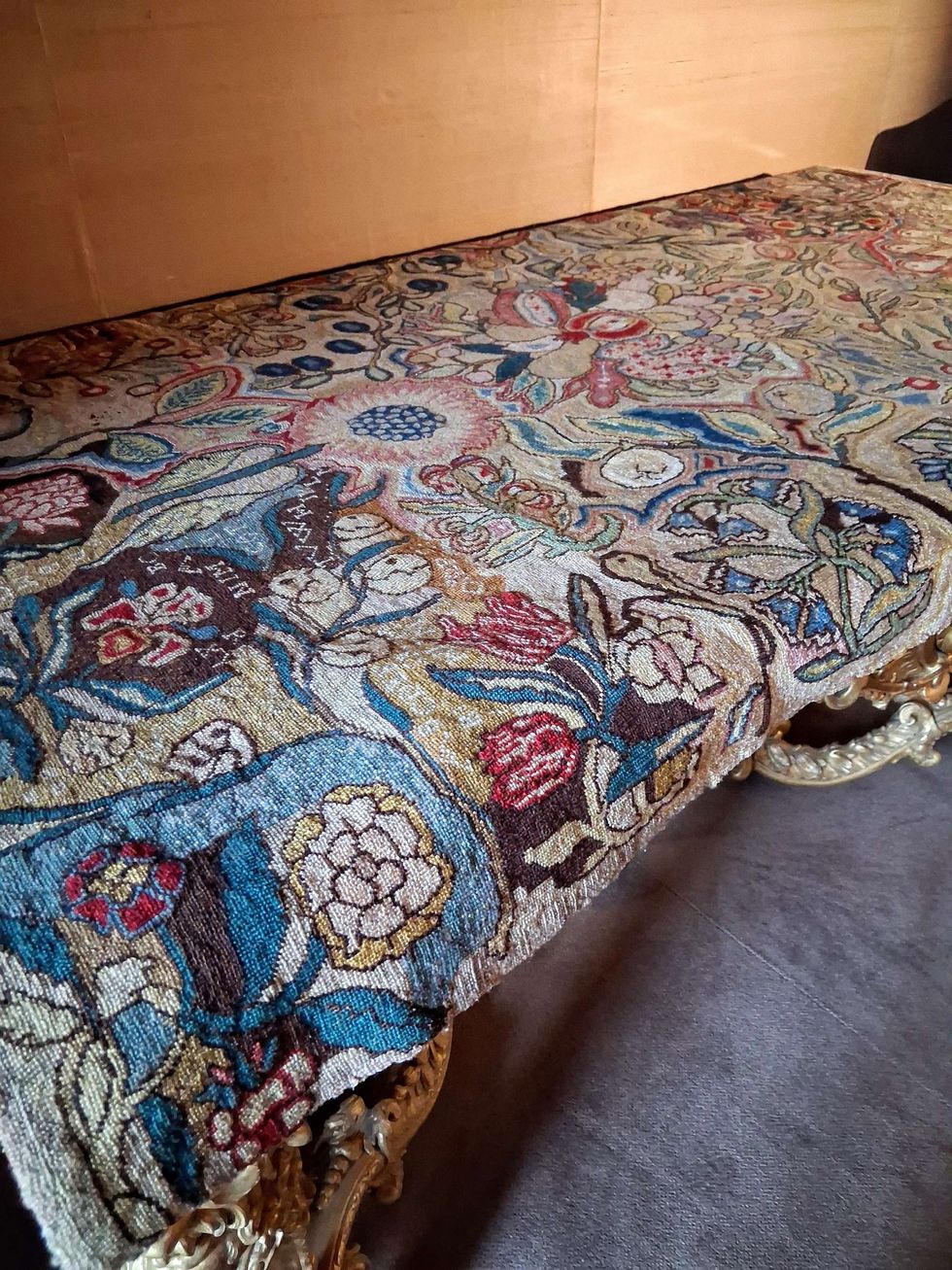 Table carpet, European 1670-1680 Amit Roy
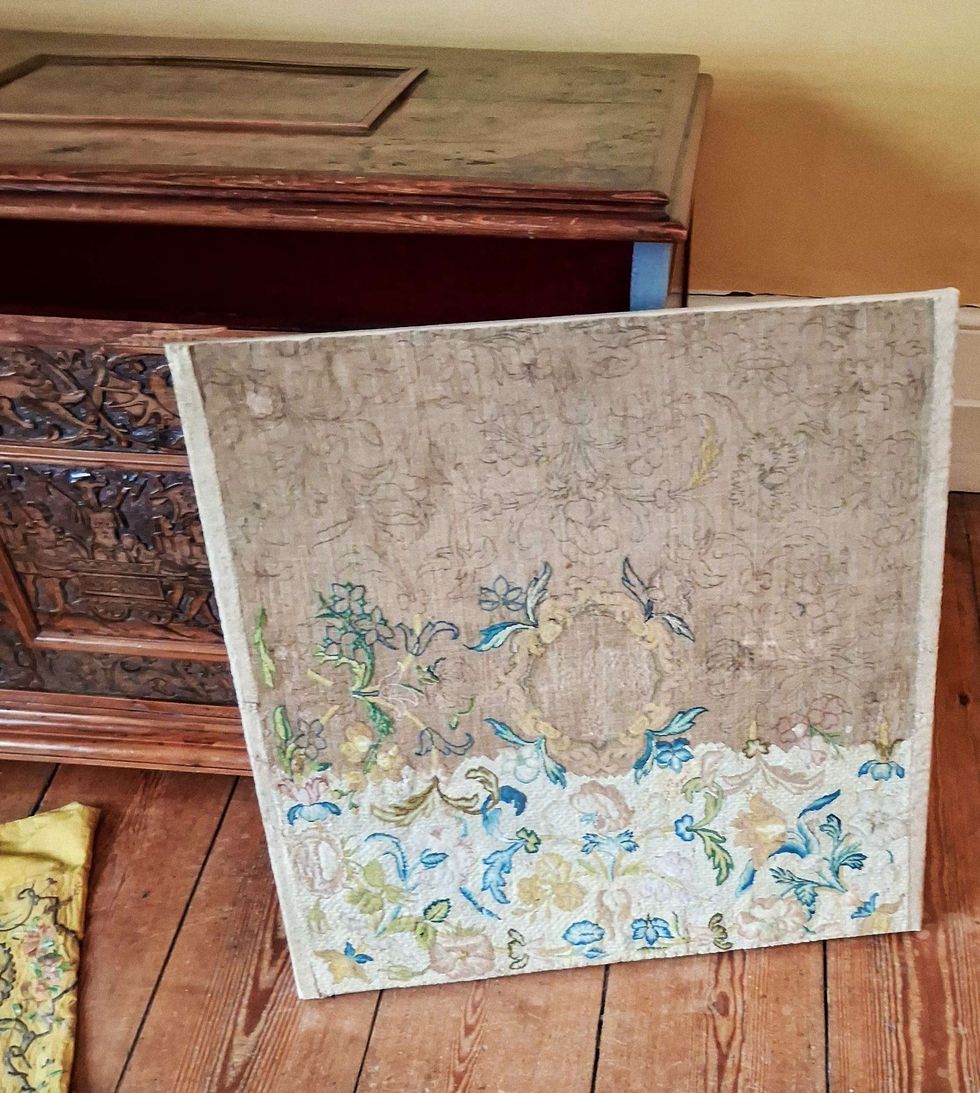 Unfinished 17th century Italian embroidery in the Print Room at Blickling Hall Amit Roy
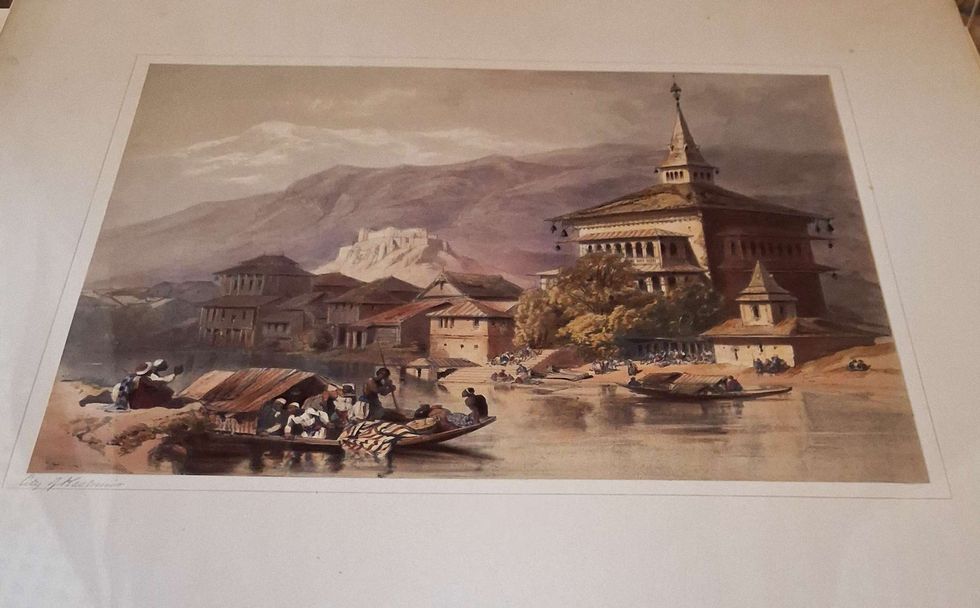 Picture of Kashmir shows a romantic view of India Amit Roy
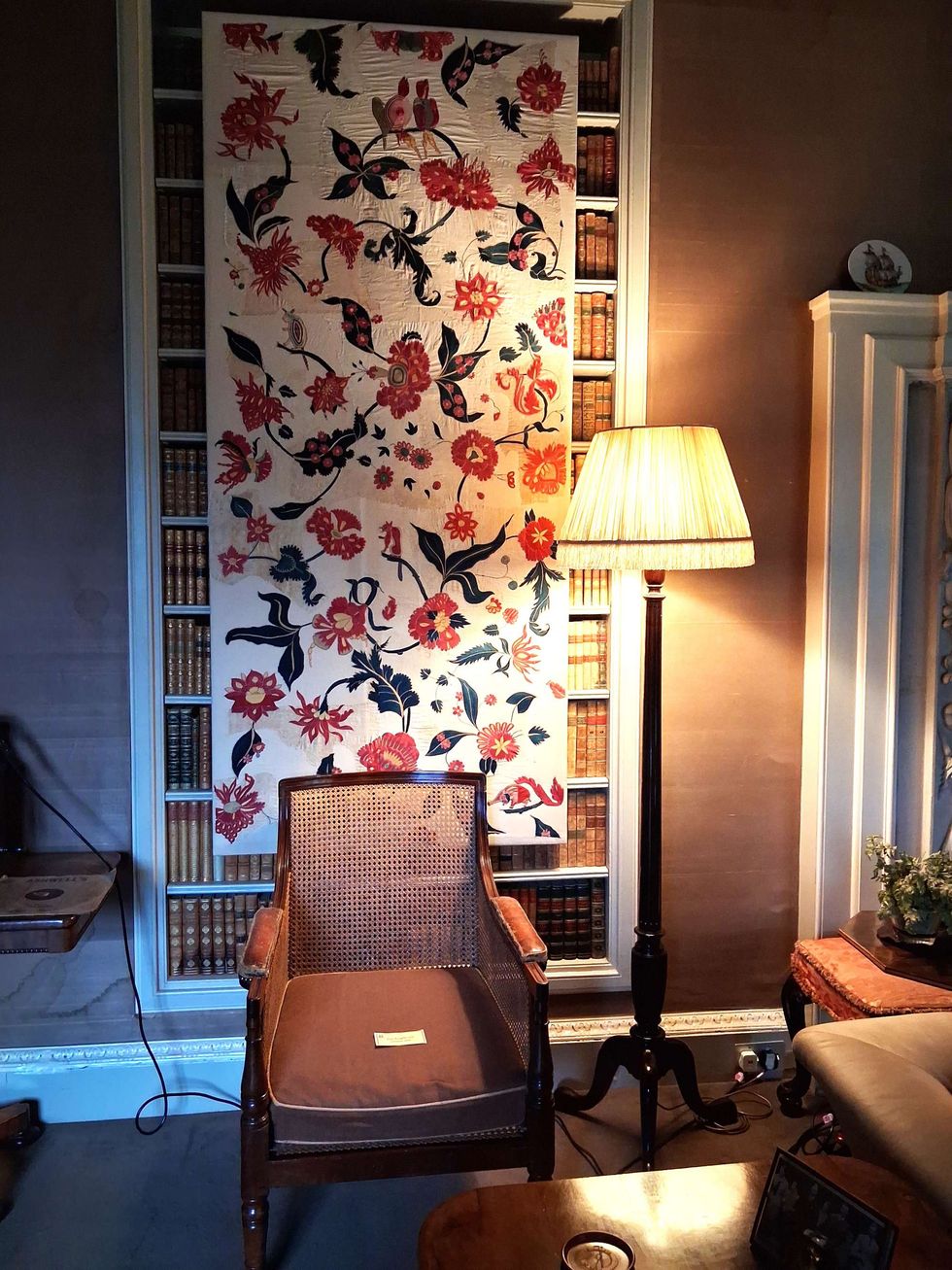 A panel of Ashburnham bed hangings made in Gujarat for sale in Europe in the Brown Room in Blickling Hall Amit Roy
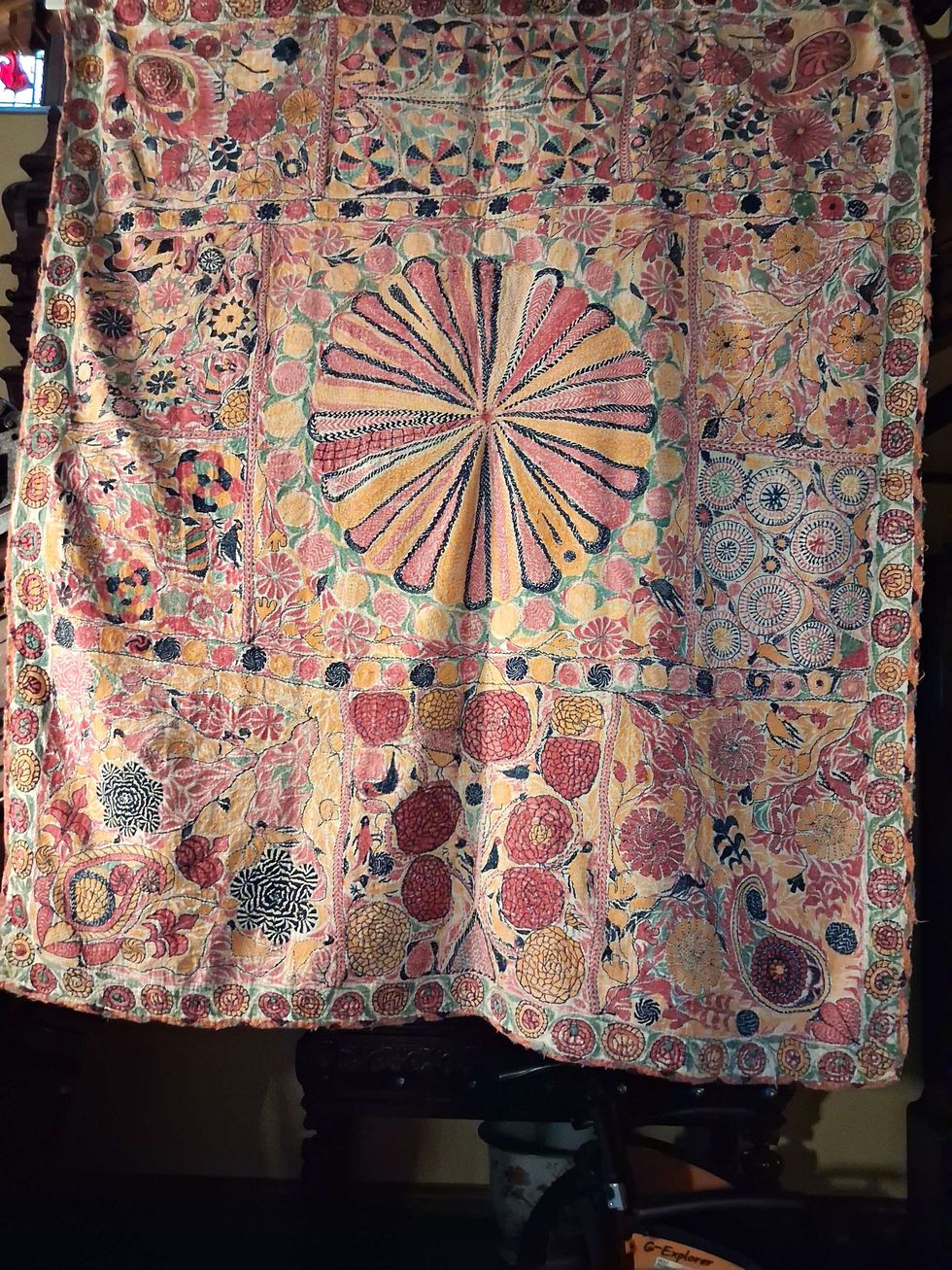
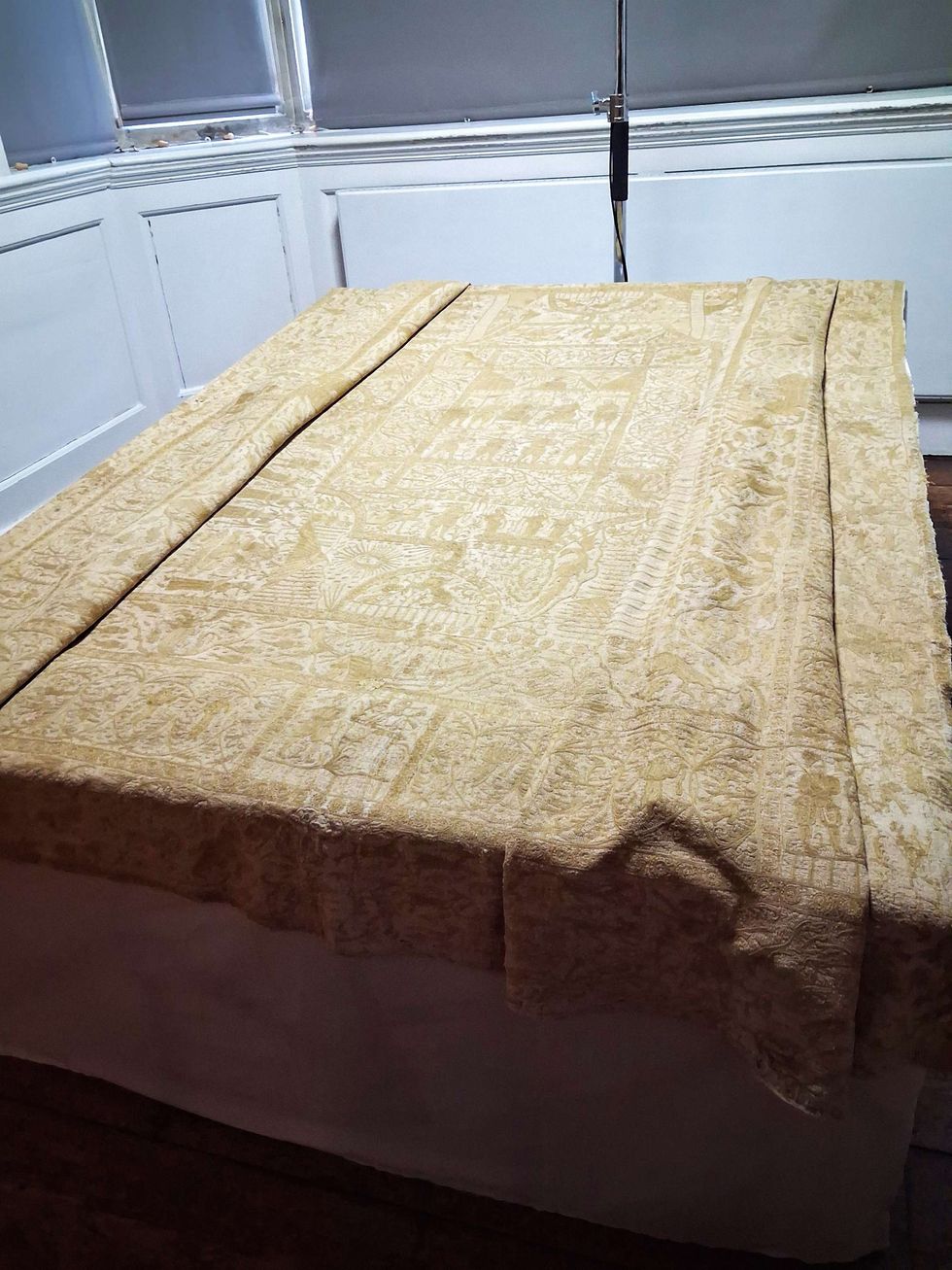 Colcha made in the 1600s by women in Bengal for the Portuguese market in the Long Gallery at Blickling Hall Amit Roy