
Highlights
- Insiders claim Warner Bros could be broken up if the Paramount merger is blocked
- The studio's future is said to depend on the outcome of the legal battle
- California's lawsuit continues as Paramount argues the deal is vital for both companies
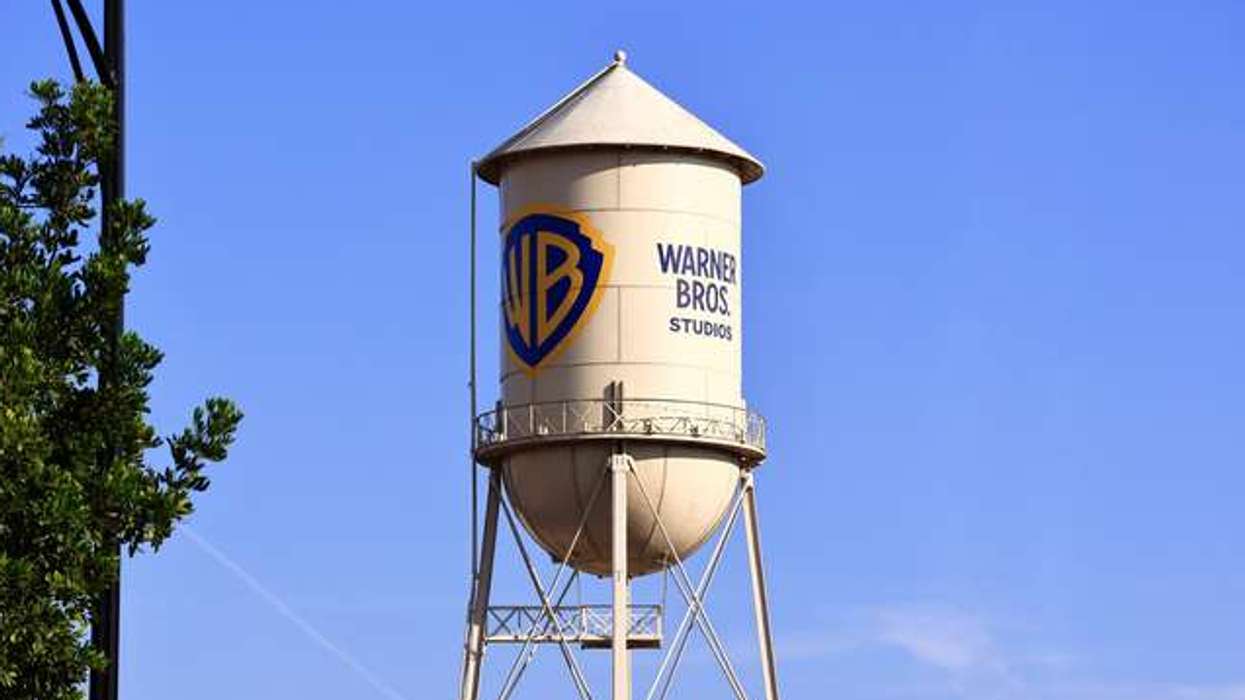
Warner Bros has been one of Hollywood's most influential studios for more than a century, but insiders now claim its future could be in doubt if Paramount's proposed merger fails.
As legal challenges continue to delay the deal, sources cited in the report say the biggest question is no longer who will own Warner Bros, but whether the studio can survive as a standalone company.
Insiders warn Warner Bros could be broken up
According to insiders quoted in the report, the Paramount merger is essential to keeping Warner Bros intact. They claim that if the acquisition does not go ahead, the company could be "sold off in pieces" or reduced to a brand similar to MGM, which now operates under Amazon.
The report also says projects have been placed on hold amid uncertainty surrounding the merger. It further claims there has been speculation over changes at DC Studios, with producers Mike De Luca and Pam Abdy expected to oversee the division if the merger is completed. Meanwhile, The Batman Part II has been pushed back to February 2028.
Merger seen as the only route to stability
The report states that Paramount chairman David Ellison has been meeting lawmakers in Washington to discuss a proposed federal film tax credit, which insiders believe could help address concerns raised by states challenging the merger.
According to the report, Paramount has also committed to releasing around 30 theatrical films a year, maintaining a 45-day theatrical window and keeping both California studio lots open. Insiders claim these measures could help resolve the legal dispute and allow the merger to proceed.
Legal battle continues over the deal
California Attorney General Rob Bonta has questioned whether such commitments are enough, arguing that executive promises cannot guarantee future action. The report says Bonta believes only "structural remedies", including the sale of company assets, would adequately address competition concerns.
The article also notes that Warner Bros. Discovery had previously explored splitting the company into separate businesses before Paramount made its offer, raising the prospect that parts of the studio could be sold individually if the merger falls through.
Judge Araceli Martínez-Olguín is expected to decide whether legal proceedings surrounding the merger should be paused as the case continues. According to the report, Paramount maintains that neither company believes it can compete effectively on its own, while insiders argue that failure of the merger could leave Warner Bros facing a breakup rather than an independent future.