
- The UK government has formally nationalised British Steel after Parliament passed new legislation.
- The move is aimed at protecting the Scunthorpe steelworks, the country's last producer of virgin steel.
- Former owner Jingye is reportedly seeking compensation, while ministers prepare for the cost of running the business.
The UK government has formally taken British Steel into public ownership, ending Chinese-owned Jingye Group's control of the company in a move it says is necessary to protect the country's steelmaking capability and secure critical supply chains.
The decision follows the Steel Industry (Nationalisation) Act 2026, which received royal assent after Parliament approved legislation allowing ministers to nationalise steel companies when it is considered to be in the public interest. The move centres on British Steel's Scunthorpe works in Lincolnshire, home to the UK's last remaining blast furnaces capable of producing virgin steel.
The government had been looking for private investors before deciding to take full ownership. It had already stepped in during April 2025 after Jingye warned it could shut down Scunthorpe's two blast furnaces, raising fears that Britain would permanently lose its ability to produce virgin steel.
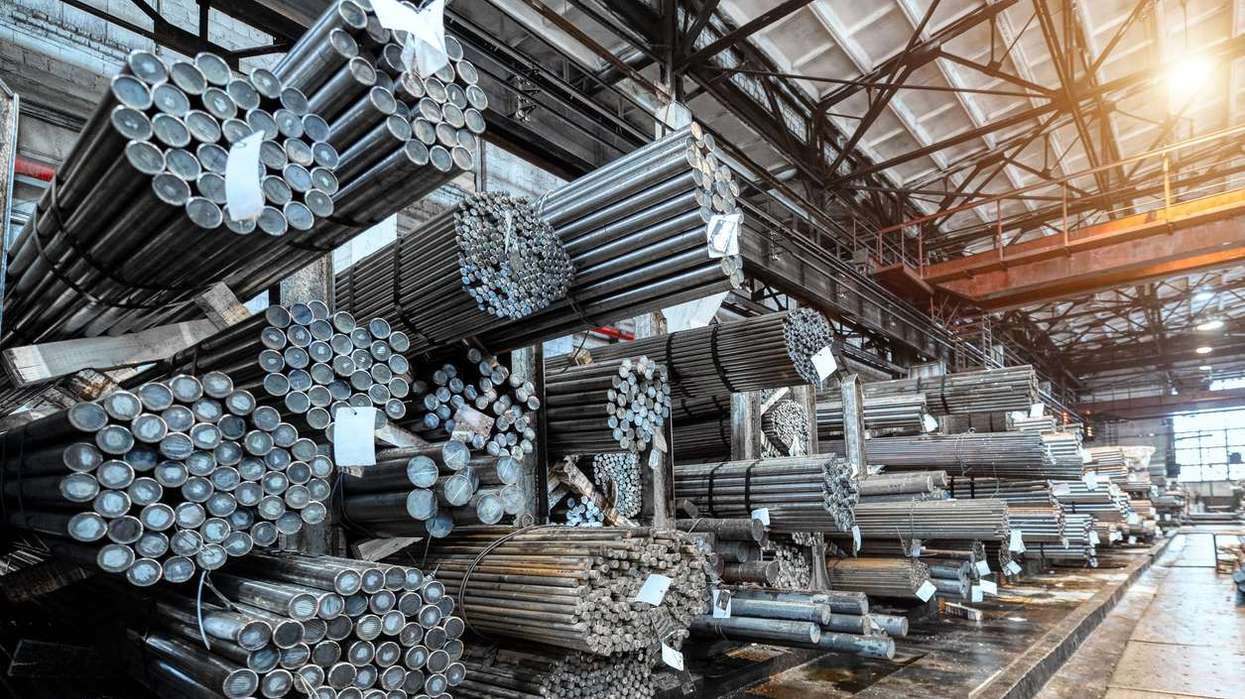
Unlike recycled steel, virgin steel is made by extracting iron from its natural source before refining it into steel. It is widely used in large infrastructure projects, railways, defence equipment and major construction. If the Scunthorpe furnaces had been allowed to close, the UK would have become the only G7 country without the capacity to produce virgin steel, something ministers have repeatedly described as a national security and economic risk.
Prime Minister Sir Keir Starmer said the decision would secure the future of steelmaking, protect skilled jobs and preserve a strategically important industry. He also described British Steel as "part of the fabric of our nation" and a cornerstone of Britain's industrial strength, as quoted in a news report.
Business Secretary Peter Kyle reportedly said British Steel now belongs to the British people and that the government's priority is to stabilise the business, support communities linked to the company and develop a commercially sustainable, low-carbon steel industry.
The government has also appointed a new leadership team to oversee the company's turnaround.
The challenge now shifts to rebuilding the business
While ownership has changed, the financial challenge remains significant.
According to the National Audit Office, operating the Scunthorpe steelworks has been costing the government around £1.3 million a day since it assumed operational control. Jingye had previously claimed the business was losing around £700,000 a day before nationalisation.
Peter Kyle reportedly told the BBC that the government would cover the company's operating costs for the immediate future. He also said an independent assessor would determine whether Jingye should receive compensation based on the company's value. However, the government has indicated it could reduce or refuse compensation depending on the assessment.
Jingye has already begun the process of seeking compensation following the nationalisation, although the company had not publicly responded to the government's announcement at the time of reporting.
Industry figures broadly welcomed the intervention. Simon Boyd, managing director of structural steel manufacturer Reid Steel, reportedly said government action had become unavoidable and argued that significant long-term investment would now be needed to rebuild the business. He suggested any financial return could take between 10 and 20 years.
British Steel's interim chief executive Allan Bell, as per reports, described the nationalisation as a historic moment for the company, its employees, customers and suppliers, adding that it would help safeguard Britain's manufacturing capability and strengthen national infrastructure.
British Steel entered Jingye's ownership in 2020 after the Chinese group rescued the company from insolvency a year earlier. Despite that intervention, mounting financial losses and uncertainty over the future of the Scunthorpe plant eventually pushed the government towards full public ownership.
For ministers, the move is about more than keeping one company alive. It reflects a wider effort to rebuild domestic manufacturing capacity and reduce dependence on overseas suppliers for materials regarded as strategically important to the UK economy.