
- The eclipse could cut UK solar generation by up to 1.3GW.
- Octopus is asking customers to avoid appliances such as washing machines between 6pm and 8pm on August 12.
- Eligible customers can receive a free hour of electricity in return for shifting their usage.
Britain's biggest household energy supplier is asking customers to put their washing machines and dishwashers on hold for two hours as the UK prepares for its deepest solar eclipse in almost 30 years.
The unusual request from Octopus Energy is linked to a problem that has little to do with watching the sky. The eclipse on August 12 is expected to block up to 95 per cent of the Sun in parts of Britain, potentially cutting UK solar generation by between 700MW and 1.3GW just as electricity demand starts to rise in the early evening.
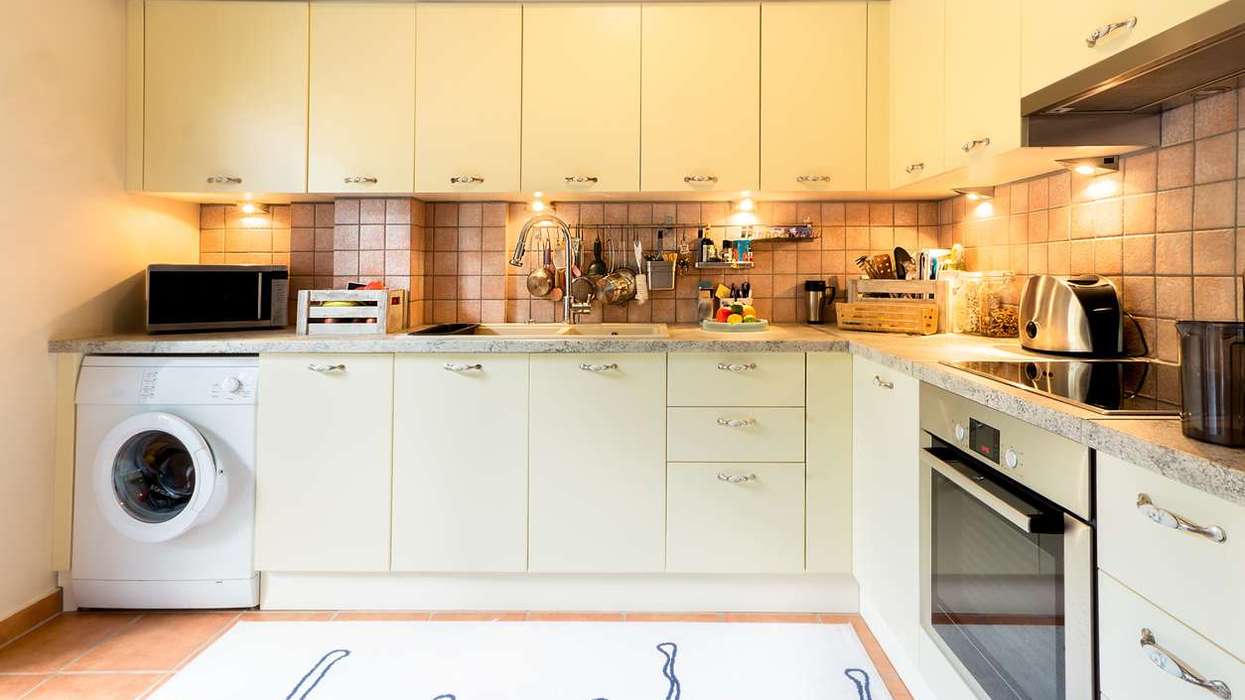
Octopus is asking customers taking part in its flexibility programme to avoid using appliances such as washing machines and dishwashers between 6pm and 8pm. The idea is simple: if enough households delay non-essential electricity use, the pressure on the grid could be eased while solar generation falls.
For eligible customers, there is an incentive. Octopus is offering a free hour of electricity during a later session for customers who take part in the demand-shifting exercise. The company's Saving Sessions programme uses smart-meter data to reward households for changing when they consume electricity.
The eclipse is creating a particularly awkward combination for the electricity system.
When the Sun disappears, the grid has to react
The National Energy System Operator (Neso), which manages Great Britain's electricity system, has been preparing for the eclipse for more than a year. It expects the event to remove up to 1.3GW of solar generation from the UK system, roughly equivalent to the electricity demand of around one million homes. Across Europe, the eclipse could temporarily reduce power production by about 9.7GW.
The eclipse arrives during the early evening, when households would normally start returning home, cooking, washing clothes, running dishwashers and switching on televisions and other appliances. Neso expects the usual evening demand peak to shift later as people head outside to watch the eclipse before returning home.
At the same time, Britain is experiencing another spell of very hot weather. Higher temperatures can increase electricity demand through fans, air conditioning and refrigeration.
That leaves the grid dealing with two opposing movements at once: less solar power coming in and potentially more electricity being used.
The wider European electricity system is also facing pressure. High temperatures and drought have affected some power stations, while low water levels have reduced hydropower availability in parts of Europe. Norway's hydropower reservoirs, for example, have fallen to their lowest levels in about three decades, according to the analysis cited in reports.
The eclipse itself is temporary, but it highlights a bigger issue facing electricity systems as renewable generation becomes a larger part of the energy mix.
Solar power has become an increasingly important source of British electricity. Solar Energy UK said 14.4 per cent of all power generated in July came from solar, a national record. On July 12, solar accounted for 18.8 per cent of electricity supplied to the grid.
That means a sudden drop in sunlight can now have a much more noticeable effect on the electricity system than it would have done when Britain relied more heavily on conventional generation.
Octopus believes households could become part of the solution.
The company estimates that homes could provide up to 13GW of flexible electricity capacity through smart appliances, electric vehicles and home batteries. That does not mean households are generating 13GW of electricity, but that their consumption could potentially be shifted by that amount when the grid needs it.
Around 500,000 Octopus customers already take part in demand-shifting programmes, according to the company.
Rebecca Dibb-Simkin, Octopus's chief customer officer, reportedly said that moving everyday tasks such as washing and dishwashing until later could reduce the need for gas-fired power stations during the eclipse.
The company has stressed that participation is voluntary. Kieron Stopforth, Octopus's head of flexibility, reportedly said the aim was to create incentives for customers to change when they use electricity rather than forcing them to reduce consumption.
That distinction is important. The message is not necessarily to use less electricity overall, but to use it at a different time.
The eclipse therefore offers a very visible demonstration of a problem that is becoming increasingly important for Britain's power system: renewable electricity can be abundant at one moment and suddenly unavailable at another, while household demand does not always move in the same direction.
For the grid operator, the August 12 eclipse is a carefully planned event.
For households, it could mean something much simpler: leave the dishwasher for later.