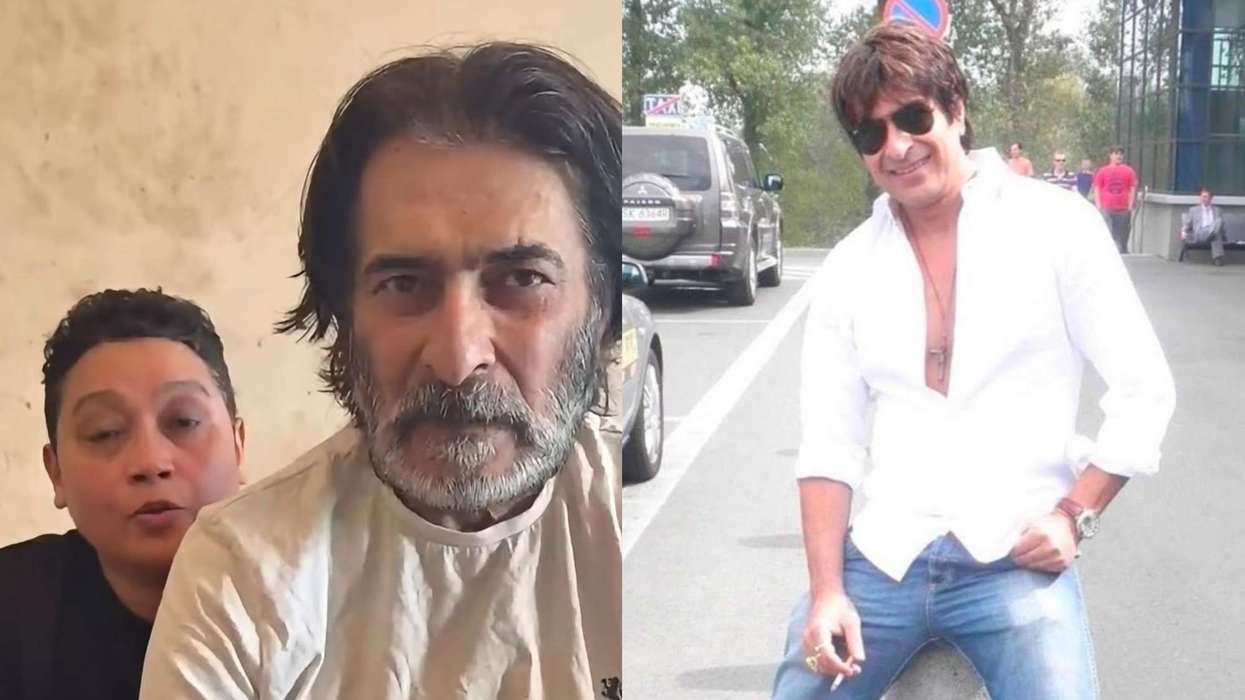
WARIS HUSSEIN has invited his friends to a cocktail party on November 19 to mark the 60th anniversary of the inaugural transmission of Dr Who.
The story goes that back in 1963 – when the BBC devised Dr Who as a new science fiction series – no established director would touch it because everyone assumed it was doomed.
Waris, who was asked as a 24-year-old BBC recruit to take on Dr Who, directed the first seven episodes and “basically rescued Dr Who”.
“It’s now the corporation’s most profitable franchise,” laughs Waris.
The early days of Dr Who were portrayed in a 2013 BBC 50th anniversary television film, An Adventure in Space and Time, in which the young Waris was played by the actor, Sacha Dhawan.
Waris was born in Lucknow on December 9, 1938, came to Britain with his family in 1946, attended Clifton College, a public school in Bristol, and read English at Queens’ College, Cambridge, where he developed a passion for drama.
He got there long before the words “multicultural”, “diversity” and “equality” were invented.
The British Film Institute devoted all of February 2018 to showcasing the range of his work.
Waris directed Shirley MacLaine in The Possession of Joel Delaney in 1972; Richard Burton (Waris straightened his tie for one shot) and Elizabeth Taylor in Divorce his, Divorce Hers in 1973; Laurence Olivier and his wife Joan Plowright in Daphne Laureola in 1978; and Barry Manilow in Copacabana in 1985.
The BFI season began with A Passage to India, which he made for the BBC in 1965 – in black and white, of course. Before making his big screen version, David Lean “borrowed” Waris’s film for six months and copied a couple of scenes.
Waris’s late mother, Attia Hosain, is remembered for her novel, Sunlight on a Broken Column, and a collection of short stories named Phoenix Fled. His sister, Shama Habibullah, worked with Richard Attenborough on Gandhi as production manager.

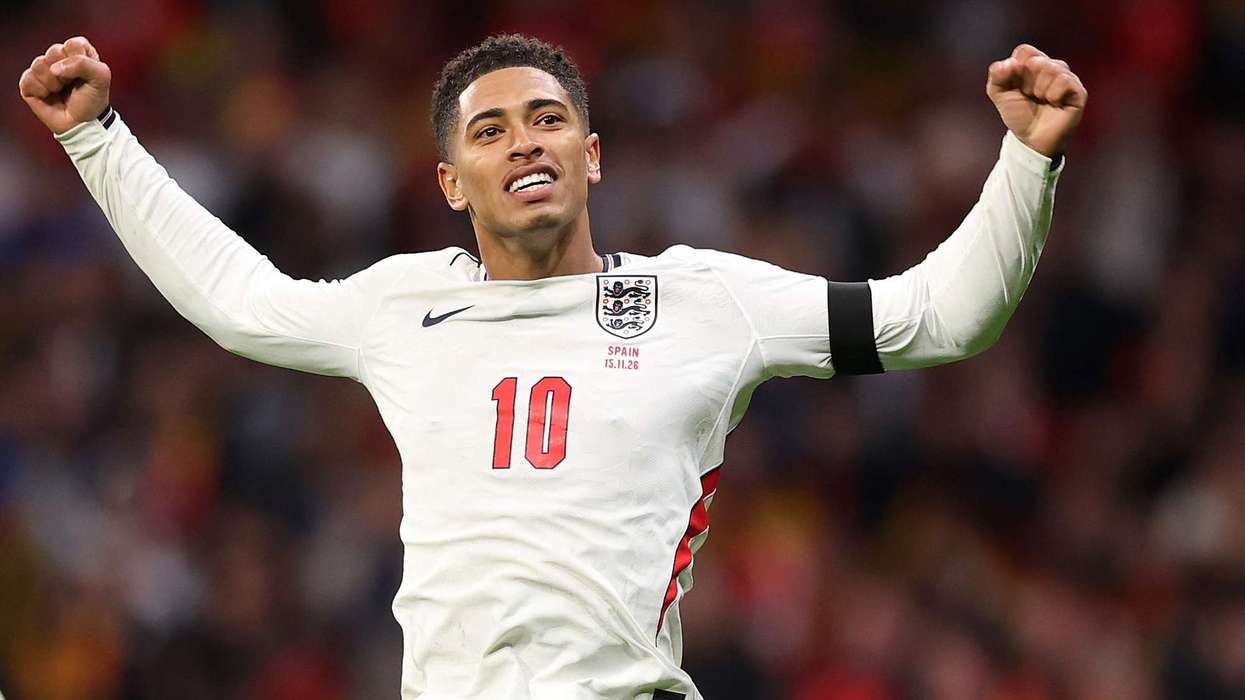
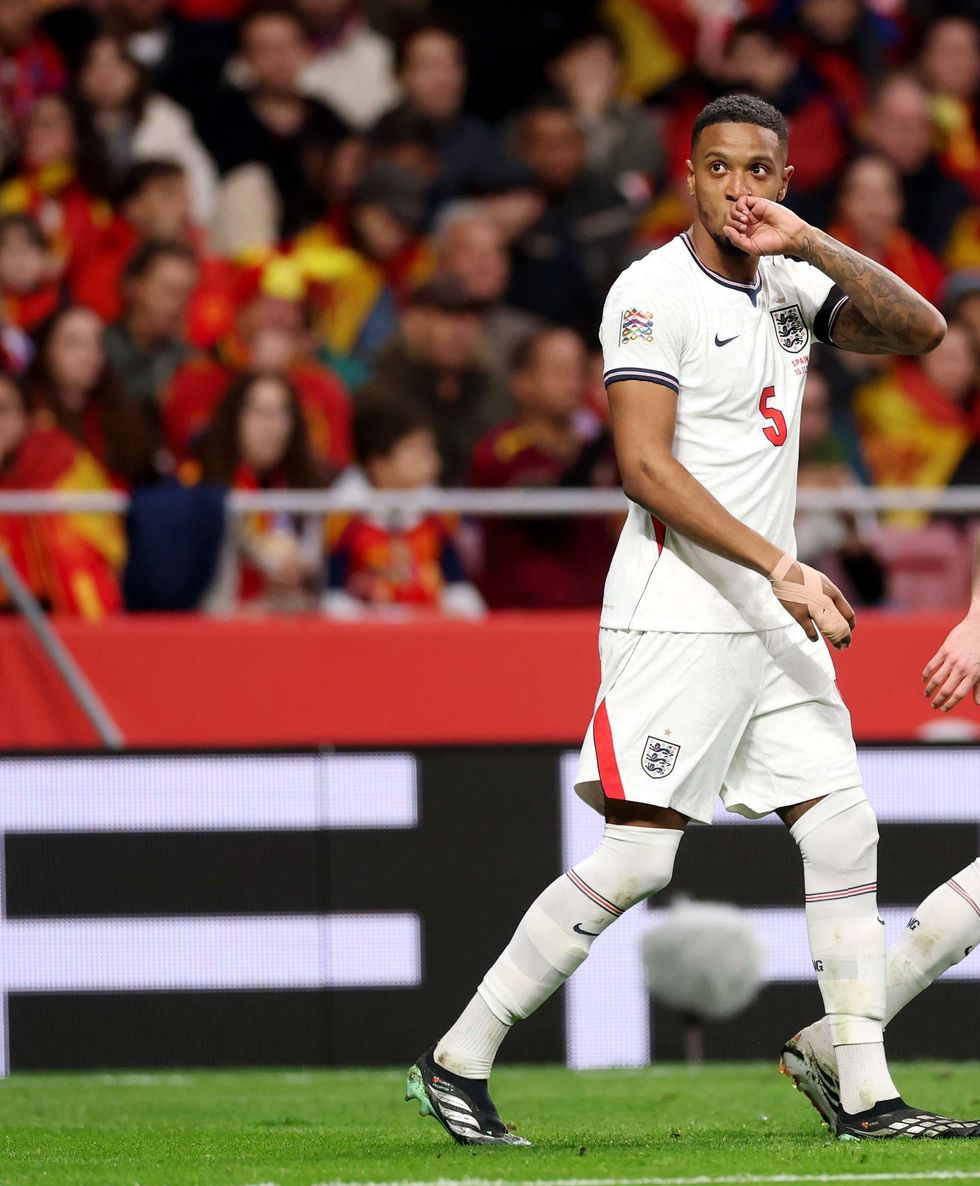 MADRID, SPAIN - NOVEMBER 15: Ezri Konsa of England celebrates scoring his team’s second goal during the UEFA Nations League 2026/27 group phase match between Spain and England at Riyadh Air Metropolitano on November 15, 2026 in Madrid, Spain. (Photo by Carl Recine/Getty Images)