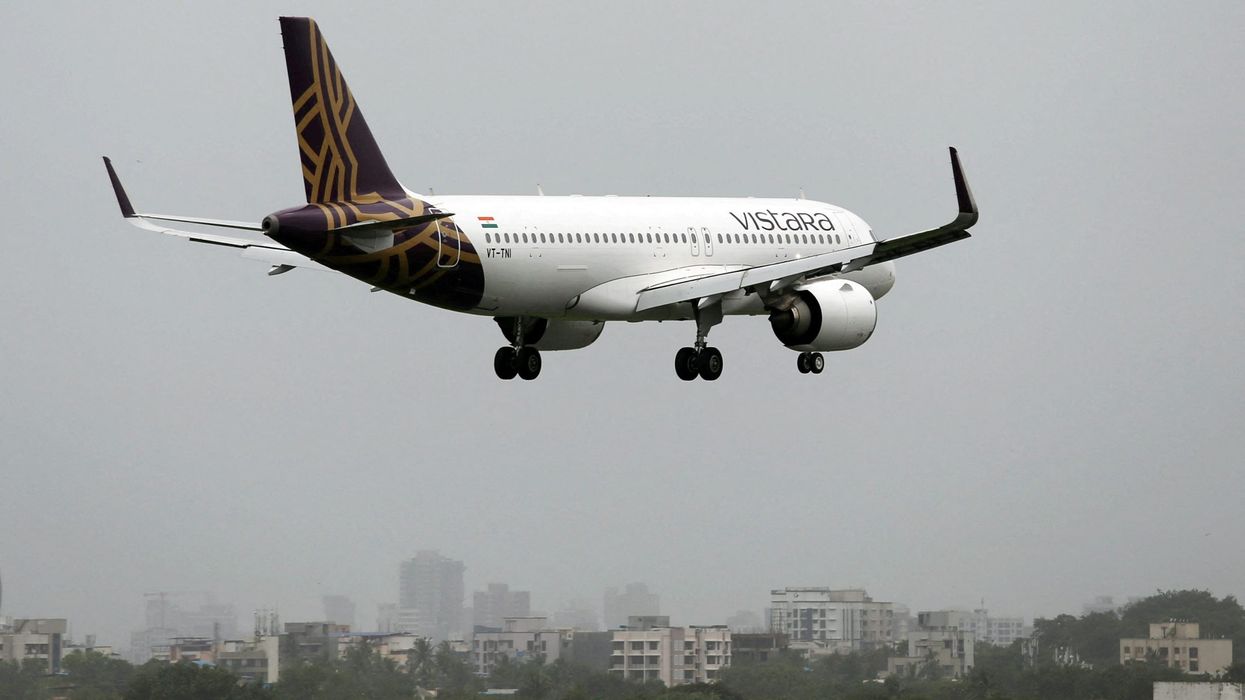
INDIA’S full-service carrier Vistara is considering renting long-haul aircraft to make up for delays in the delivery of Boeing planes, according to a media report.
It has placed orders for four Boeing 787s to expand its international operations, but the deliveries are delayed due to quality control concerns.
The airline, which began its operations in 2015, is reportedly holding negotiations with lessors as the travel industry is recovering from the prolonged pandemic shock.
Aircraft are available for lease, but Vistara is yet to make up its mind, the company’s chief executive Vinod Kannan told Reuters.
The company, co-owned by India’s Tata Group and Singapore Airlines, has a fleet of 50 aircraft and plans to have 20 more by the end of next year, but the soaring fuel prices have cast uncertainties on the aviation sector.
International flights account for 25 per cent of Vistara’s operations, connecting India with major European destinations like London and Paris.
Kannan said the airline intends to operate flights to the US, South Korea and Japan.
"A lot of the long haul depends on aircraft availability. This is the time to capitalise, especially with India opening up international travel," he said.
As fuel prices surged, he previously said financial viability was an important factor in deciding on international operations.
"Fuel burn in longer flights when the fuel price is high is something that we have to account for, which may not have been as high before”, he had said last month.
Search
Latest Stories
Start your day right!
Get latest updates and insights delivered to your inbox.
Related News
More For You

McLaren’s McL 6GT revives a 1960s road-car idea with a modern carbon-fibre body and manual gearbox
X handle/ carwow
McLaren’s new supercar brings back the manual gearbox in a throwback to its earliest road-car dream
Aug 14, 2026
- The McL 6GT will be McLaren’s first manual car since the F1.
- The concept uses a V8 engine, rear-wheel drive and hydraulic steering.
- A production version is planned for 2028.
McLaren is bringing back something that has almost disappeared from the modern supercar world: a proper manual gearbox.
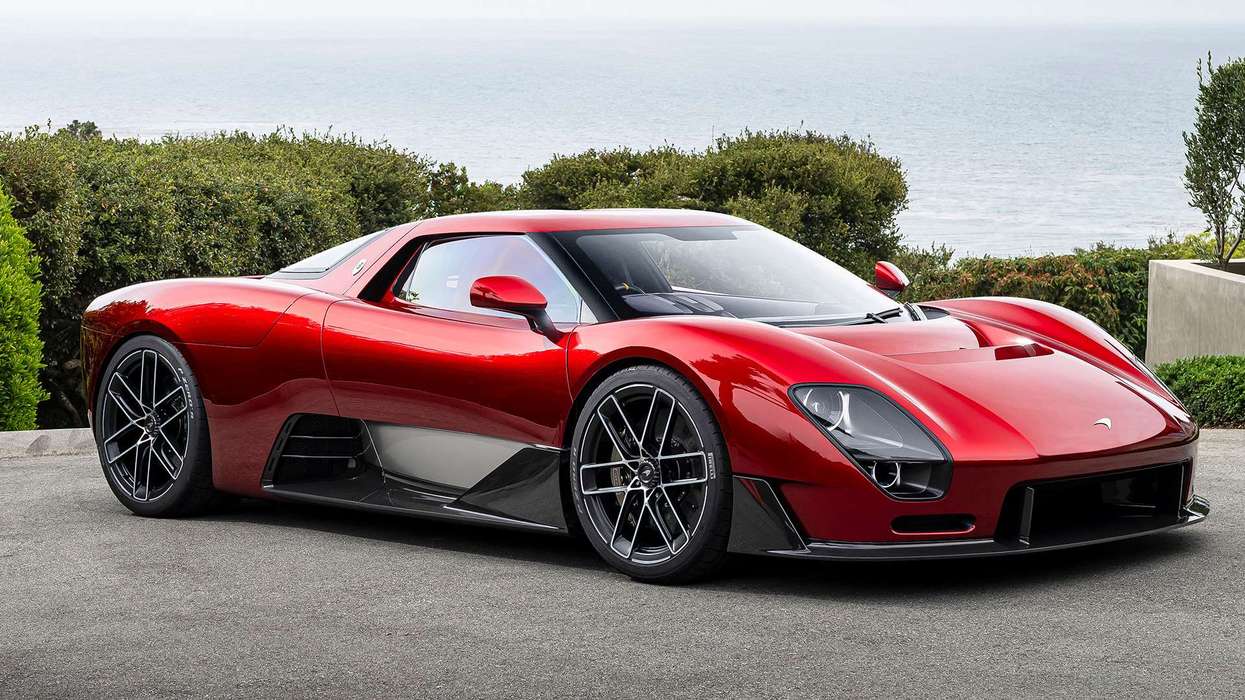
The British carmaker has unveiled the McL 6GT at Monterey Car Week, a concept inspired by the unfinished M6GT road-car project conceived by company founder Bruce McLaren. If it reaches production as planned in 2028, it will become the first McLaren road car with a manual transmission since the legendary F1, which debuted in 1992.
The company has not yet released full engine specifications, but the concept is powered by a V8 internal-combustion engine sending power to the rear wheels through a manual transmission.
That puts the focus somewhere slightly different from the usual supercar arms race. There is no published power figure yet, and McLaren has not revealed the car's weight or price. Instead, the 6GT is being presented around the experience of actually driving the car.
For an industry that has increasingly moved towards automated gearboxes, electric assistance and computers making split-second decisions for drivers, three pedals and a physical gear lever are becoming an unusual proposition.
McLaren is looking backwards to move forwards
The name and design of the 6GT deliberately reach back to Bruce McLaren's M6GT, an attempt to turn the company's successful racing technology into a road-going car.
That project never reached full production. The new car takes several of its visual cues from that original idea, including its low and wide stance, long roof and Kammback-style rear.
McLaren has given those elements a contemporary treatment, with a carbon-fibre monocoque and carbon-fibre bodywork helping keep the structure light.
There are also several references to the company's early history tucked into the design. The original M6GT's number plate has been recreated as a graphic, Bruce McLaren's signature appears in the engine bay and the Speedy Kiwi, one of McLaren's early logos, appears on the fuel filler cap and gear lever.
The cabin follows the same philosophy.
Rather than filling the interior with screens, McLaren has used physical controls, knurled aluminium switchgear and a manually operated gear lever. The car also uses hydraulic steering, adding another mechanical element to a machine that could otherwise have been dominated by electronic systems.
The approach is unusual partly because the performance-car industry has spent years moving in the opposite direction.
Automated dual-clutch gearboxes can change gears faster and more consistently than most drivers, while modern electronic systems can manage everything from traction to steering. A manual gearbox deliberately hands some of that control back to the person behind the wheel.
McLaren has not said how much the production car will cost or how many will be built.
What it has confirmed is that the McL 6GT will sit outside its core sports car and supercar range when production begins in 2028.
That leaves plenty still to be revealed, including the final powertrain specifications and how closely the production model will follow the concept.
But the central idea is already clear: after more than three decades of letting computers handle the gear changes, McLaren is betting that some buyers still want to do it themselves.
Keep ReadingShow less
Most Popular
News
Study attributes decline in academic freedom to restriction of free speech
Vibhuti Pathak
05 April 2024