A GROUP of protesters chanting "Black Lives Matter" gathered on Thursday (4) outside the London home of Prime Minister Boris Johnson's closest aide, Dominic Cummings.
Anti-racism protests have taken place in Britain in recent days, in solidarity with US demonstrations sparked by the death in Minneapolis of George Floyd, an unarmed black man who died after a white police officer knelt on his neck.
The brief protest outside Cummings's home involved about two dozen protesters who lay on the road and chanted slogans. One of them used a megaphone to denounce the government's handling of the coronavirus outbreak.
Britain has the worst death toll from the virus in Europe, and people from ethnic minorities have been disproportionately affected. Black and Asian people in England are up to 50 per cent more likely to die after becoming infected with Covid-19.
Cummings resisted intense pressure to resign, including from within the ruling Conservative Party, after revelations in late May that he had travelled 250 miles from London with his wife and son at the height of the coronavirus lockdown.
Johnson denied his adviser had broken the rules being imposed on the rest of society, but polls have shown a sharp fall in confidence in the government's handling of the epidemic since the scandal.
The protest outside the Cummings's home was quite small in comparison with a demonstration in central London the previous day, in which tens of thousands of people marched against racism.
The crowds prompted Sadiq Khan to raise concerns over the lack of social distancing at the Black Lives Matter protests.
Speaking to LBC on Thursday, Khan noted that "a small minority" of protesters had been "aggressive, violent and abusive towards our police”.
While expressing solidarity with the protests, the London mayor added that unlawful demonstrations were "unacceptable".
He said "a small minority" failed to follow social distancing norms, and could "inadvertently be passing the virus on or catching it".
"The virus is still there," he cautioned. "The virus is deadly. Let’s not give it the opportunity to spread even faster."
"I understand how angry people are, and it’s rightly ignited fury. But in the context of a global pandemic, we’ve got to be very careful.
"Personally, for example, I would not go on a protest in the middle of a global pandemic.... Ask yourself: is this the safest thing you can do for you and your family, by going on a protest?"
Khan added that unlawful protests were "detracting from us talking about the issue of George Floyd’s brutal death".
Khan was among the first set of prominent leaders to speak out against Floyd's police killing, noting that the brutality "rightly ignited fury -- not just in America, but around the world"
"People across the globe are feeling fury and anguish... I feel it too," he said on social media, urging people to protest "peacefully, lawfully and safely".
"We must do more to highlight racism, discrimination and inequality, but we must also stay safe."




 FOSSAE LaunchEastern Eye
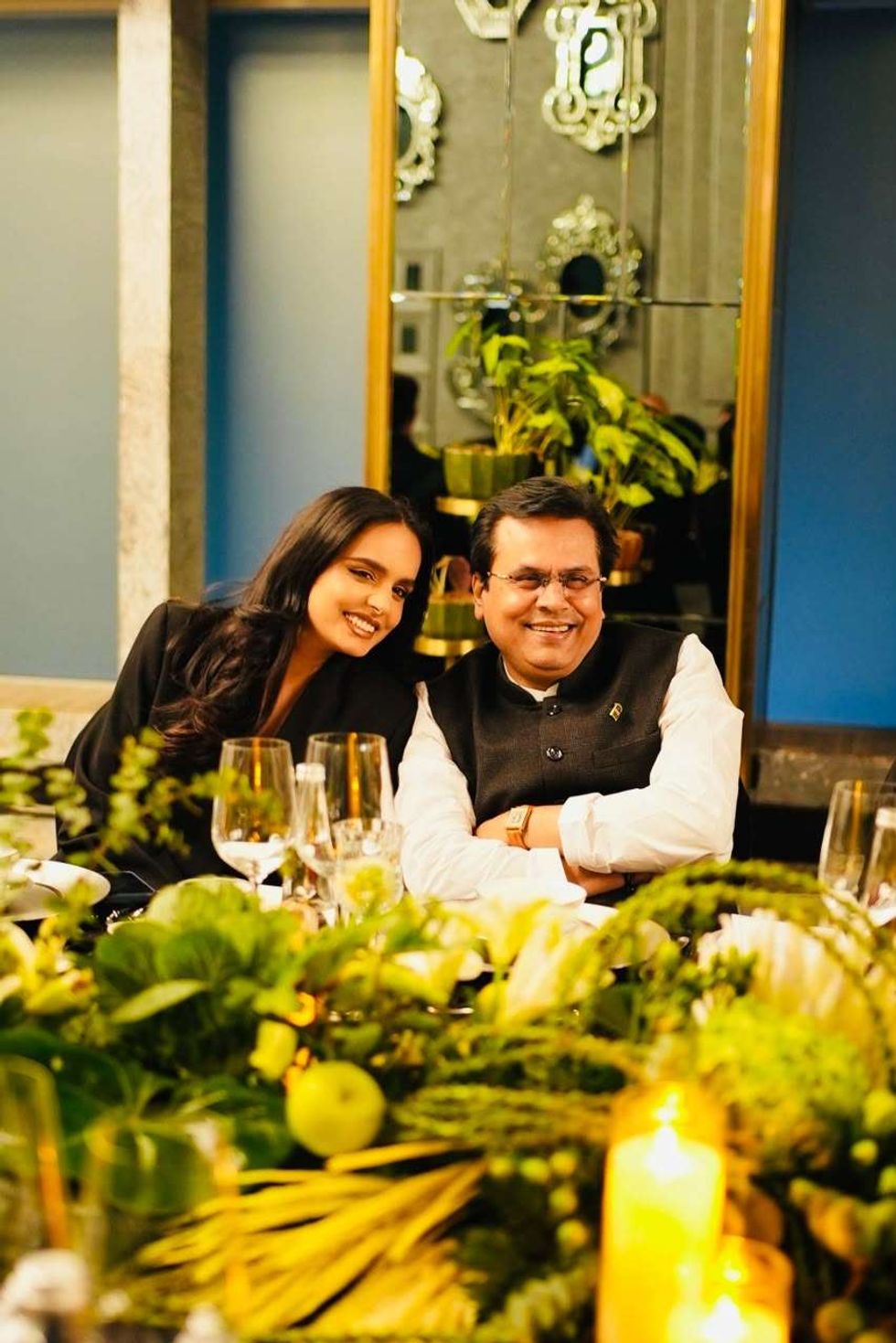 Unnati with father Rakesh K ShuklaEastern Eye
 FOSSAE LaunchEastern Eye
 FOSSAE LaunchEastern Eye