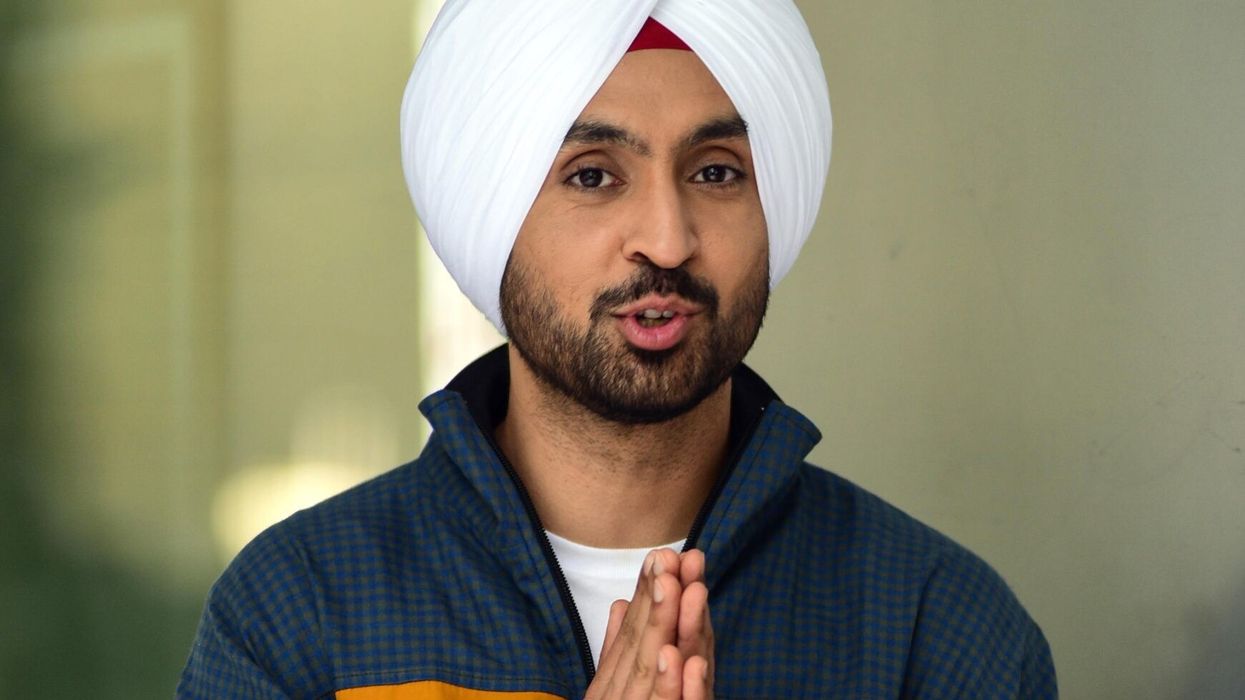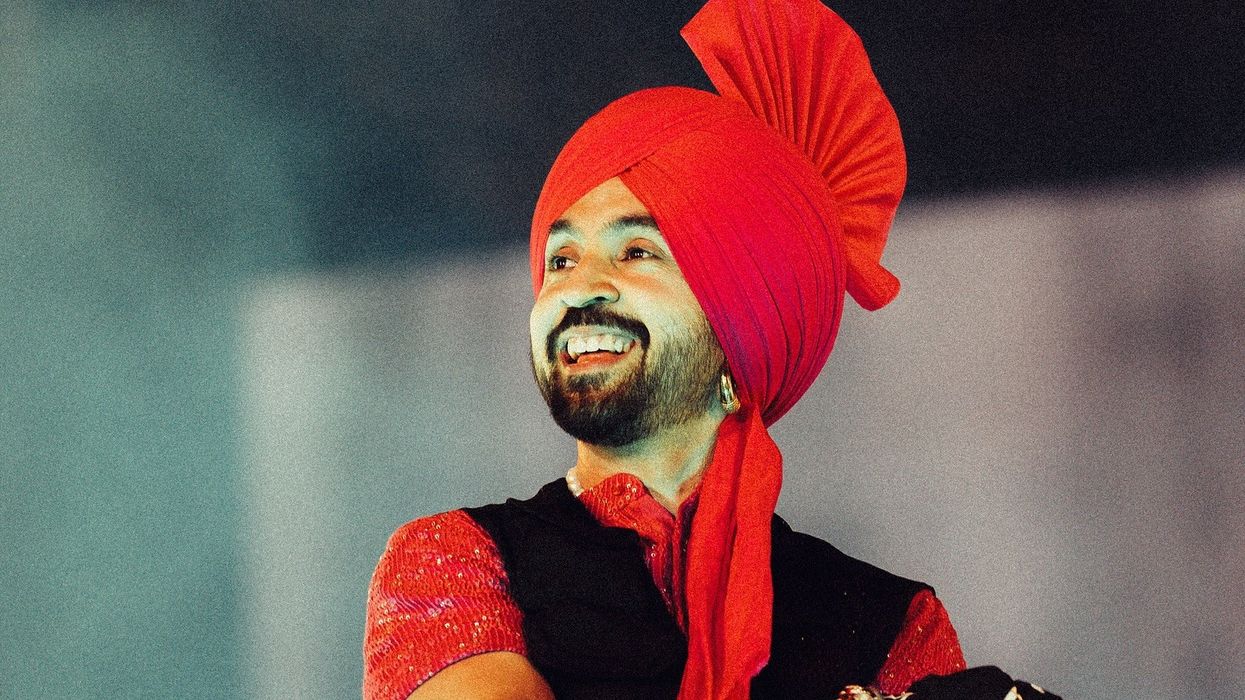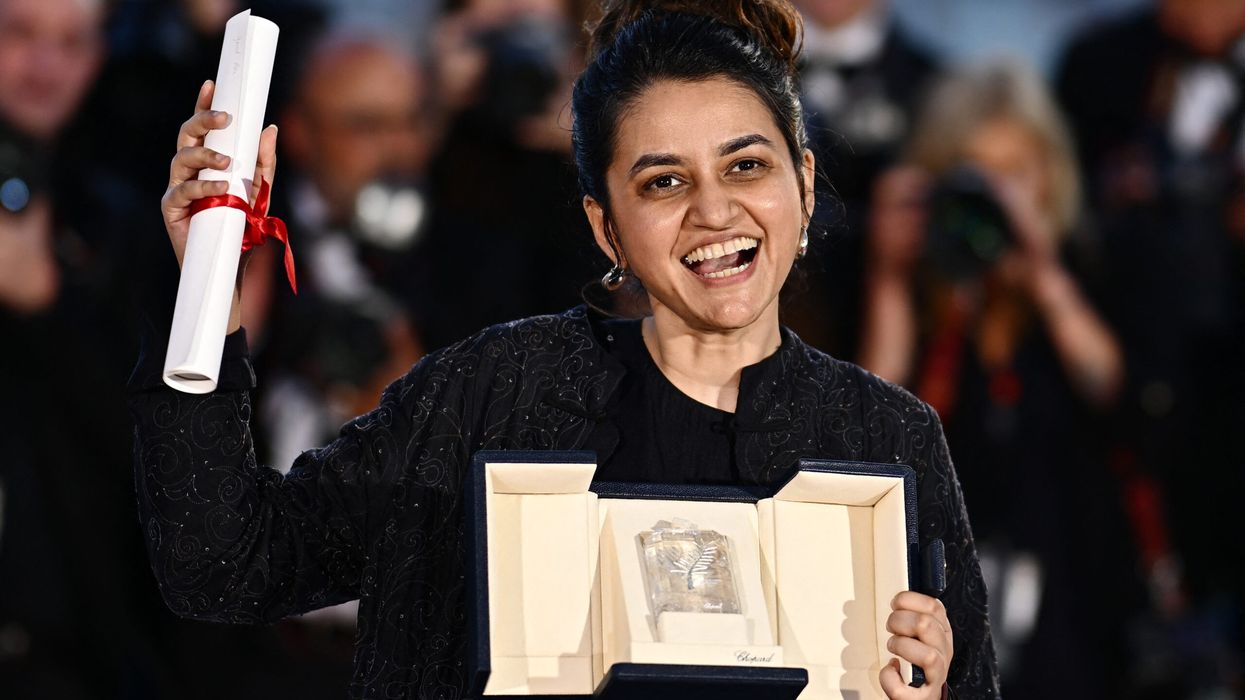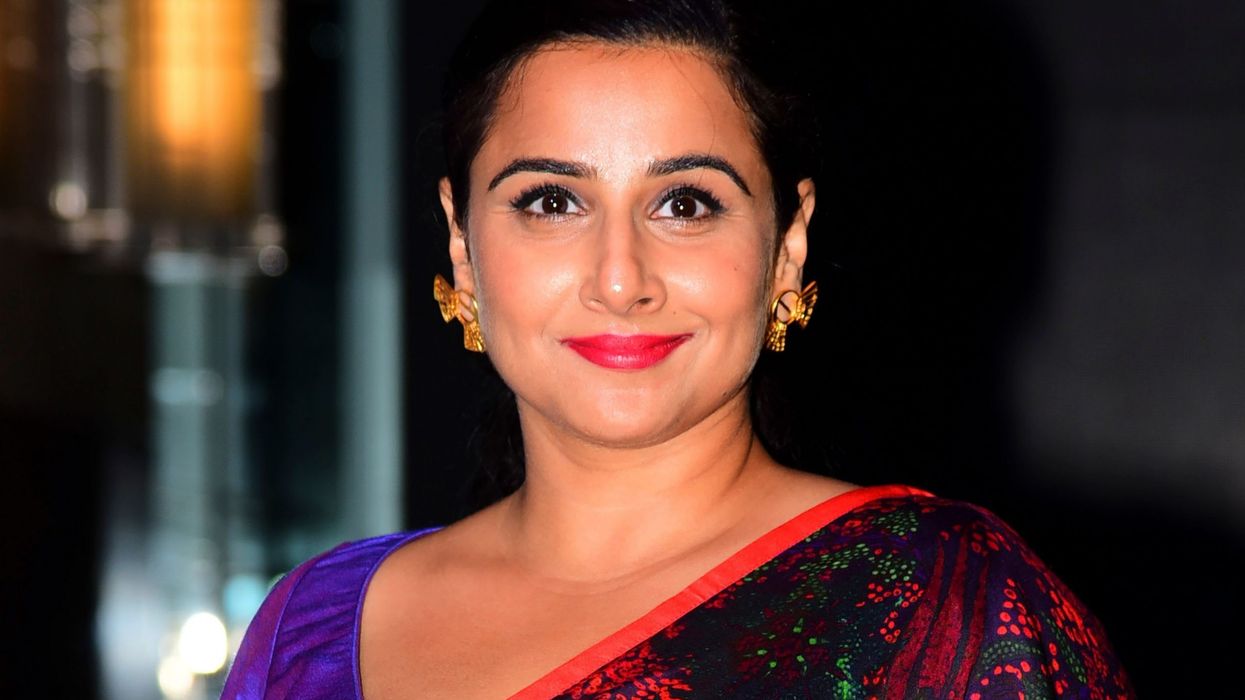

Recently, the Academy of Motion Picture Arts and Sciences announced their list of new members whom they have invited this year. The list includes artists and executives from 50 countries who have distinguished themselves by their contributions to theatrical motion pictures.
The list has 395 members and three of them are Vidya Balan, Ekta Kapoor, and Shobha Kapoor. The Academy has recognised Vidya for movies like Tumhari Sulu and Kahaani.
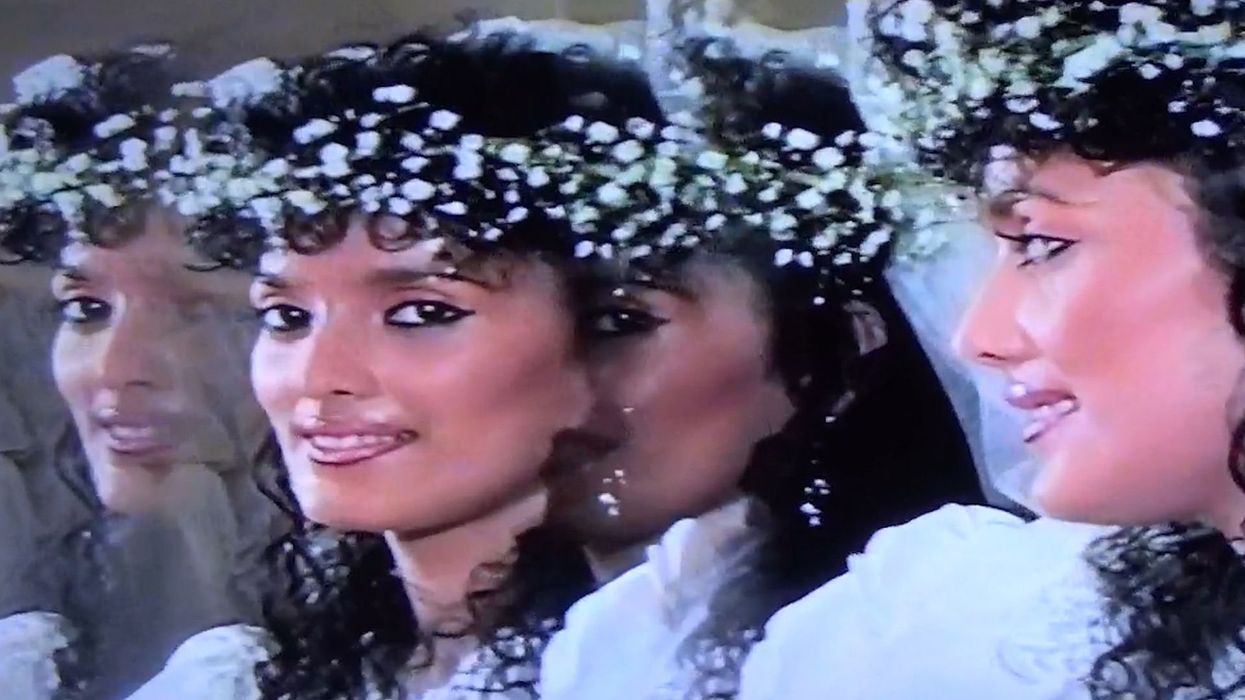
Ekta Kapoor and Shobha Kapoor’s names have come under the Producer category and they are recognised for movies like Dream Girl, Once upon a Time in Mumbai, Udta Punjab, and The Dirty Picture.
Oscar nominees Yuh-Jung Youn, Emerald Fennell, Dan Janvey, Maria Bakalova, Jon Batiste, Andra Day, Vanessa Kirby, Darius Marder, Christina Oh, Kemp Powers, Paul Raci, and Steven Yeun have also been invited by the Academy this year.
The Academy has been focusing on diversity since 2015's #OscarsSoWhite uproar. The Class of 2021 has 46 percent women, 39 percent underrepresented ethnic/racial communities, and 53 percent international artists from 49 countries outside of the United States.
Indian celebs like A R Rahman, Amitabh Bachchan, Shah Rukh Khan, Aamir Khan, Salman Khan, Aditya Chopra, and Guneet Monga are already Academy members. Last year, Alia Bhatt, Hrithik Roshan, filmmaker Nishtha Jain, Amit Madheshiya, designer Neeta Lulla, casting director Nandini Shrikent, and others were on the list.