THE US ambassador to Bangladesh has sought meetings with leaders of the country's three major parties, the embassy said Monday (13), as Washington seeks to break a political impasse ahead of elections.
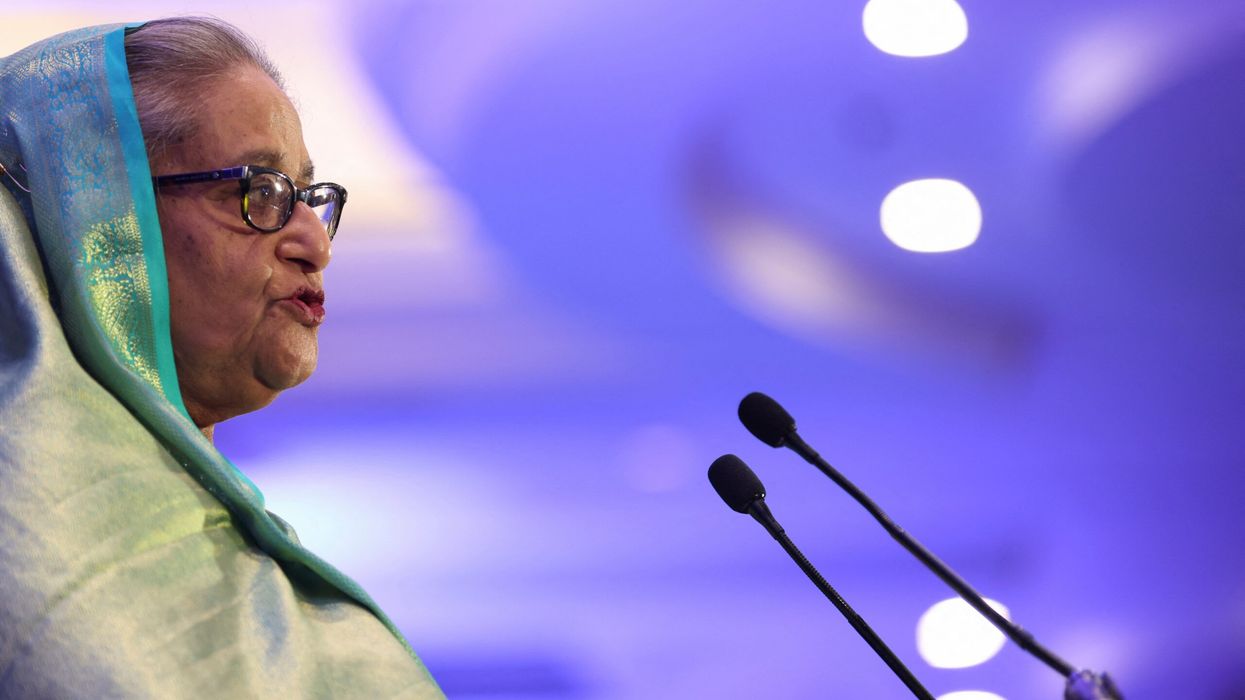
Dhaka is set to hold a general election in January, but the main opposition, the Bangladesh Nationalist Party (BNP), and its allies have said they will boycott the vote unless prime minister Sheikh Hasina quits power and lets a neutral government oversee the polls.
Hasina has launched a major crackdown against the BNP since police broke up a giant opposition rally on October 28. Police have arrested more than 11,000 BNP activists and almost all its top leaders since then, the party said.
The US embassy said ambassador Peter Haas "has requested meetings with senior officials in all three major political parties", as violence gripped the country with the opposition enforcing two weeks of strikes.
"The United States wants free and fair elections conducted in a peaceful manner and calls on all sides to eschew violence and exercise restraint," the embassy added.
The US move comes just days before the country's election commission is expected to announce the day of the polls.
"It's a formal and direct move from the United States to break the political impasse ahead of next general elections," Mohammad Tanzimuddin Khan, a professor of international relations at Dhaka University, said.
"It's an effort by the United States to find a solution to the ongoing political crisis. This time they've given their role a formal shape by urging all three major parties for unconditional dialogues," he said.
There was no immediate comment from the three major political parties including the ruling Awami League, the BNP and the third largest, Jatiya Party.
But early this month, Hasina ruled out any dialogue with the BNP. "Who would ask for talks with these beasts?" she said.
It was not clear who would represent the BNP in the dialogue, as almost its entire top leadership has been arrested.
The BNP said at least 11,250 of its activists and leaders have been arrested by police since October 28.
They include Mirza Fakhrul Islam Alamgir, who has led the party after its chairperson was jailed and the acting chief was exiled.
Police have not given any nationwide arrest figures. But Dhaka Metropolitan Police (DMP) said it arrested 2,000 BNP activists and leaders since October 28.
Police said at least four protesters and one police officer have been killed in the clashes. The BNP claims 13 people have died from the violence.
Hasina has overseen phenomenal economic growth during her 15 years in power but Western nations have sounded the alarm over democratic backsliding.
(AFP)
US moves to break political impasse in Bangladesh
The main opposition party and its allies have said they will boycott the upcoming general election unless prime minister Sheikh Hasina quits power